Anise
Although anise and star anise share a similar licorice flavor due to the presence of the aromatic compound anethole, they are entirely unrelated plants.
How is anise different from star anise?
Although anise and star anise share a similar licorice flavor due to the presence of the aromatic compound anethole, they are entirely unrelated plants.12
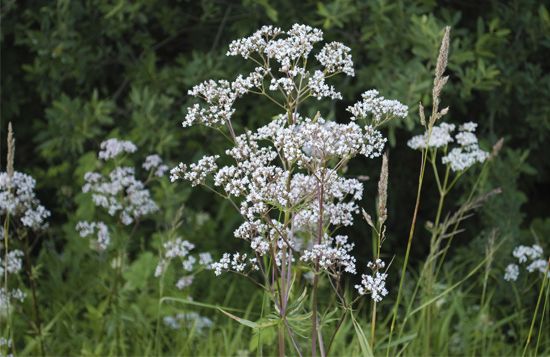
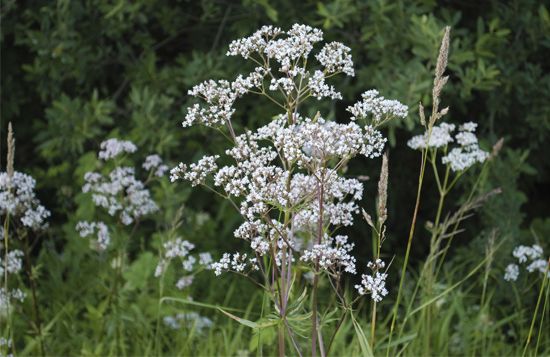
Anise (Pimpinella anisum) is an annual herb in the parsley family (Apiaceae) native to the eastern Mediterranean and Egypt. It grows up to 0.75 meters tall and produces small, ovoid fruits known as aniseed.2
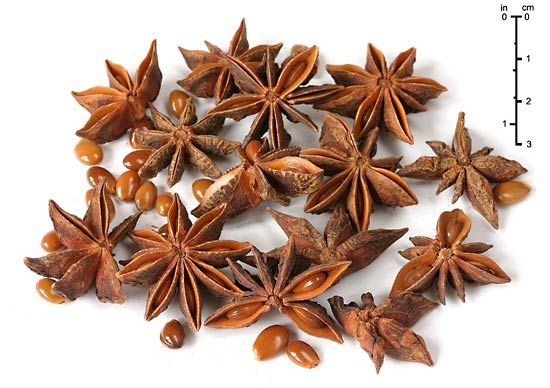
Star anise (Illicium verum) is an evergreen tree in the Schisandraceae family, indigenous to China and Vietnam. Its name is derived from the starlike arrangement of its carpels, which contain the seeds. Unlike the small, ridged aniseed, star anise fruits are larger and woody.12
While both are used for flavoring liqueurs and culinary dishes, star anise is also a significant source of shikimic acid, used in the production of the influenza drug oseltamivir.12
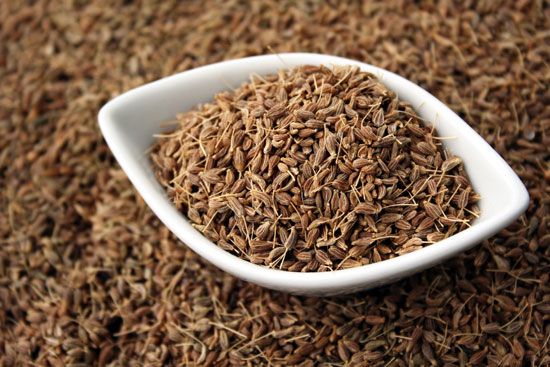
What parts of the anise plant are used in cooking and herbal remedies?
The primary part of the anise (Pimpinella anisum) plant utilized for both culinary and medicinal purposes is its fruit, commonly referred to as aniseed.23
Culinary Uses
Aniseed is prized for its distinct flavor, which resembles that of licorice. Its applications include:
- Baking: It is a key ingredient in various pastries and is the defining flavor of the German bread known as Anisbrot.2
- Savory Dishes: In many parts of Asia and the Mediterranean, the seeds are incorporated into meat and vegetable preparations.2
- Beverages: The essential oil extracted from the fruit is used to flavor liqueurs such as absinthe, anisette, and Pernod.2
Medicinal and Herbal Uses
Aniseed has been utilized in herbal medicine since prehistoric times. It is recognized for its aromatic and carminative properties—meaning it is often used to aid digestion—and is frequently prepared as a soothing herbal tea.23
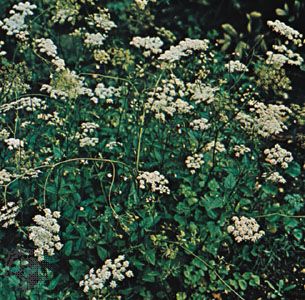
What are some common products that use anise as an ingredient?
Anise (Pimpinella anisum) is a versatile ingredient used across various culinary traditions to provide a distinct, licorice-like flavor. Common products and applications include:
- Baked Goods: Aniseed is frequently used to flavor pastries and is the characteristic ingredient in the German bread known as Anisbrot.2
- Liqueurs: The essential oil extracted from the fruit is a key flavoring agent in several alcoholic beverages, including absinthe, anisette, and Pernod.2
- Savory Cooking: In the Mediterranean and across Asia, the seeds are commonly incorporated into various meat and vegetable dishes.2
- Herbal Beverages: The seeds are often steeped to create a soothing herbal tea.2
It is important to note that while star anise shares a similar flavor profile, it is an unrelated plant used in different products, such as five-spice powder, pho, and even the production of the influenza drug oseltamivir. drug oseltamivir.24
What is anise and where does it originate from?
Anise (Pimpinella anisum) is an annual herb belonging to the parsley family (Apiaceae). It is cultivated primarily for its fruits, known as aniseed, which possess a distinct flavor reminiscent of licorice.2
The plant is native to Egypt and the eastern Mediterranean region. While it is often confused with other plants—such as the Australian herb Seseli harveyanum, which is also sometimes called an “anise plant”—the true culinary anise is a distinct Eurasian species. Today, it is grown in various regions worldwide, including southern Europe, the Middle East, North Africa, Russia, China, and parts of the United States.263
It is important to distinguish this plant from star anise, which is an unrelated species that shares a similar flavor profile but has a different botanical origin.2
Sources
- star anise — Encyclopædia Britannica
- anise — Encyclopædia Britannica
- anise — Merriam-Webster
- anise hyssop — Merriam-Webster
- star anise: Top Questions — Encyclopædia Britannica
- anise plant — Merriam-Webster
Published on · 3 min read