Fennel
Fennel (Foeniculum vulgare) is a versatile perennial herb from the carrot family that is prized for its aromatic qualities in the kitchen. Every part of the…
How is fennel used in culinary applications, and what flavors does it contribute to dishes?
Fennel (Foeniculum vulgare) is a versatile perennial herb from the carrot family that is prized for its aromatic qualities in the kitchen. Every part of the plant is edible and used for flavoring various dishes.1
Culinary Uses
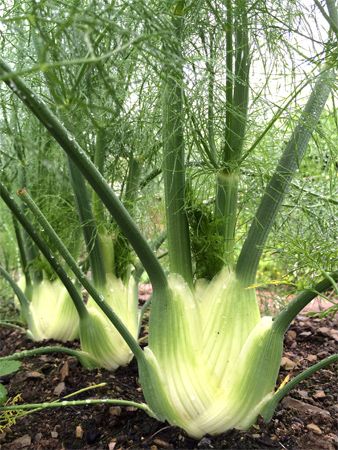
- Vegetable: The blanched shoots and the bulblike stem base of Florence fennel are commonly prepared and eaten as a vegetable.21
- Seeds and Oil: The seeds and their extracted essential oil are widely used to flavor pastries, sweet pickles, fish, candies, and liqueurs.21
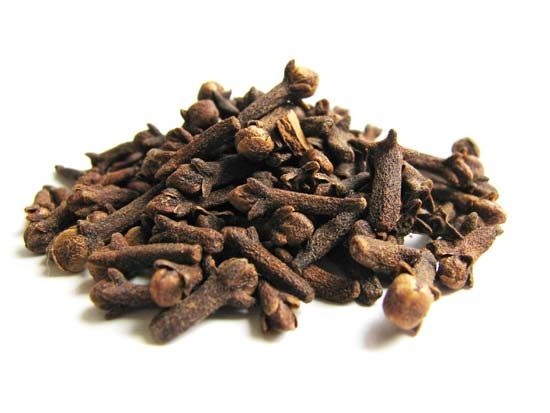
- Spice Blends: Fennel is a key ingredient in Chinese five-spice powder, alongside cassia, cloves, star anise, and Sichuan pepper.1
Flavor Profile
Fennel is characterized by a distinct aroma and taste that is highly suggestive of anise. This flavor profile is primarily derived from the presence of anethole and fenchone within the seeds.21
How is fennel cultivated, and what are the ideal growing conditions for this herb?
Fennel (Foeniculum vulgare) is a perennial herb native to southern Europe and Anatolia that is now cultivated in temperate regions worldwide. While the provided search results confirm that fennel is widely grown in these temperate climates, including the United States and Britain, they do not specify the precise soil, light, or moisture requirements for its cultivation.12
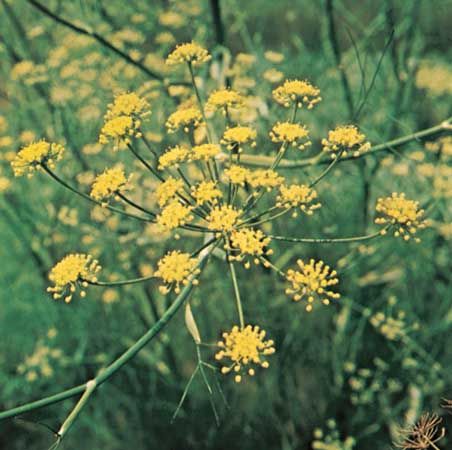
The plant typically reaches a height of about 1 meter (3 feet) and features stalks with finely divided leaves and small yellow flowers arranged in compound umbels. Because it is a hardy plant, it has successfully established itself in various environments, to the extent that it is considered an invasive species in parts of Australia and the United States.2
How does fennel compare to other herbs in the Apiaceae family, like dill or anise?
Fennel, dill, and anise are all members of the Apiaceae family, also known as the parsley family. While they share a common botanical classification—characterized by aromatic properties, feather-divided leaves, and flowers arranged in umbels—they differ in their life cycles and specific culinary roles.142
Key Comparisons
- Botanical Nature: Fennel is a perennial herb, whereas anise is an annual plant.42
- Flavor Profiles: Fennel seeds and their extracted essential oil are noted for an aroma and taste that strongly resemble anise, primarily due to the presence of the compound anethole. Anise, in turn, is prized for a flavor profile that is often compared to licorice.542
- Culinary Versatility: Fennel is unique among these for its dual use as both a vegetable (the blanched shoots and bulblike stem base) and a spice. While anise is cultivated primarily for its fruits (aniseed) used in baking and liqueurs, dill is also a widely used herb within the same family.5412
Despite these similarities, it is important to note that some members of the Apiaceae family are highly poisonous, such as poison hemlock, highlighting the importance of correct identification.1
What parts of the fennel plant are used, and how do their flavors differ?
Every part of the fennel plant is aromatic and utilized for culinary or industrial purposes. While the entire plant shares a characteristic scent, the specific uses and flavor profiles vary by part:
- Shoots and Stem Base: The blanched shoots and the bulblike stem base of Florence fennel are consumed as a vegetable. These parts provide a crisp texture and a mild, fresh flavor.
- Leaves: The finely divided leaves are used for flavoring, contributing a delicate, herbaceous quality to dishes.
- Seeds and Oil: The greenish-brown to yellowish-brown seeds contain 3 to 4 percent essential oil, with anethole and fenchone as the principal components. These parts possess a potent aroma and taste strongly suggestive of anise. They are widely used to flavor pastries, fish, liqueurs, and medicines, and are a key ingredient in Chinese five-spice powder. Additionally, the oil is used to scent soaps and perfumes.12
Sources
Published on · 3 min read