Limfjorden
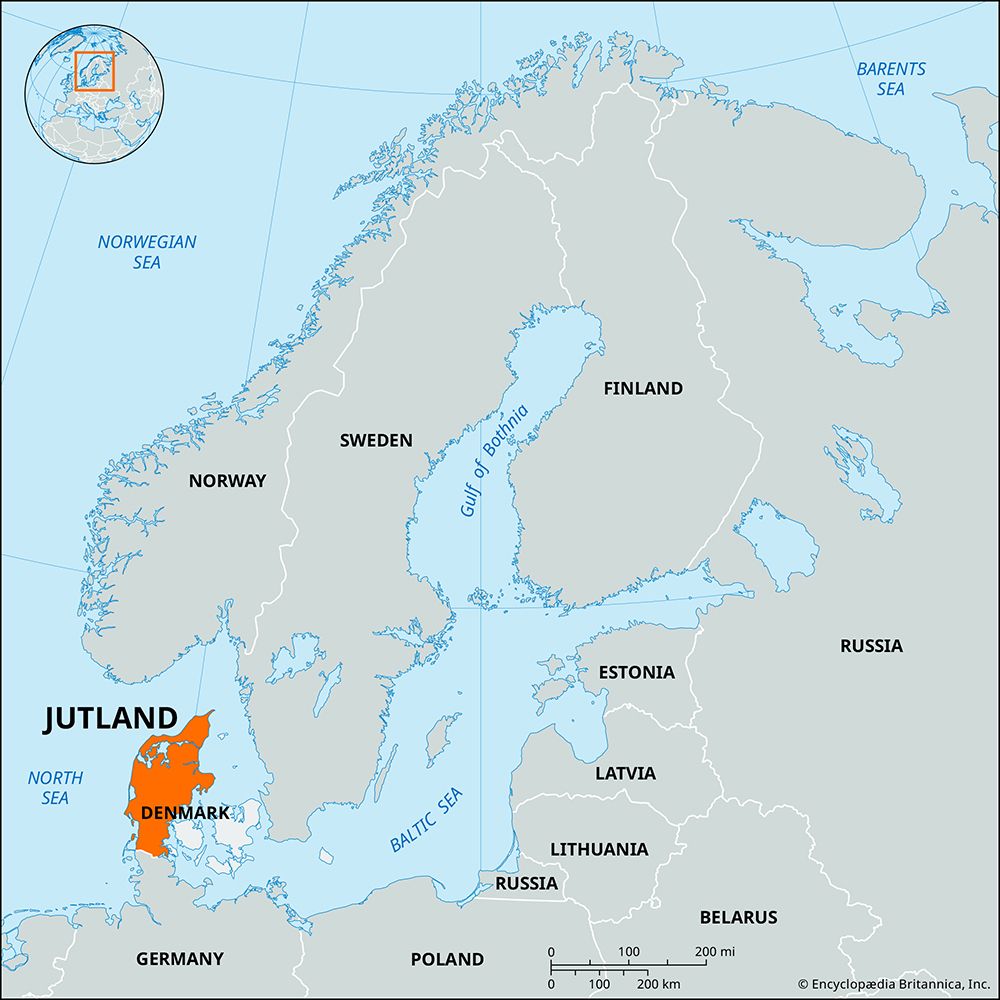
Limfjorden is a 110-mile-long strait in northern Jutland, Denmark, that separates the Vendsyssel and Thy regions from the mainland. Its formation and…
How was Limfjorden formed, and what are its main geological features?
Limfjorden is a 110-mile-long strait in northern Jutland, Denmark, that separates the Vendsyssel and Thy regions from the mainland. Its formation and character are deeply tied to the Pleistocene Epoch and the Weichsel glaciation, which shaped the Danish landscape through the movement and retreat of massive ice sheets.12
Geologically, the region is characterized by flat areas of sand and gravel deposited by glacial meltwaters. The strait itself is a complex system of fjords, inlets, and islands, featuring a central lagoon. Its connection to the North Sea has been historically dynamic; while open during the Viking period, the western outlet silted up during the Middle Ages, turning the area into freshwater lakes. In 1825, the North Sea breached this barrier, and the Thyborøn Kanal was later cut in 1875 to maintain the connection.21
The surrounding area is notable for deposits of ash and clay, known as moler, which are used for specialized building bricks. Additionally, the region contains stagnant bogs that have historically preserved significant archaeological finds.12
What is the geographical location and extent of Limfjorden in Denmark?
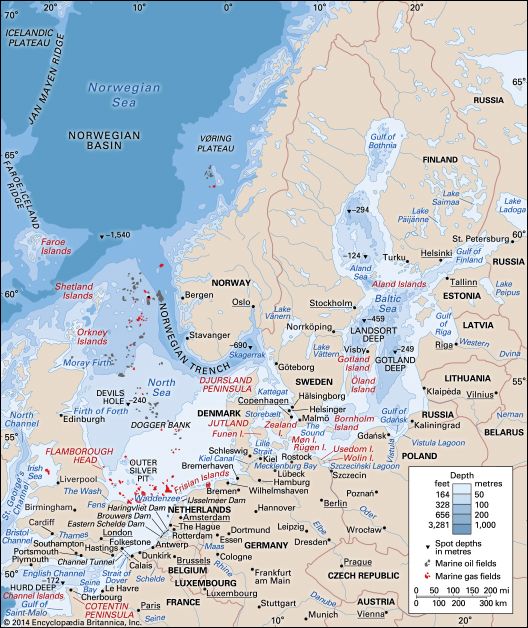
Limfjorden is a 110-mile (180-km) long strait located in northern Jutland, Denmark. It serves as a vital waterway connecting the North Sea to the Kattegat, effectively separating the Vendsyssel and Thy regions from the Danish mainland.1
Geographically, the strait is not a single channel but a complex series of fjords, inlets, and islands. Its structure includes a central lagoon that reaches 15 miles (24 km) in width, while the eastern portion narrows significantly between Ålborg and the Kattegat. The waterway is relatively shallow, with a maximum depth of approximately 82 feet (25 meters), though it has been deepened to facilitate shipping.1
The western outlet of the strait, known as the Thyborøn Kanal, provides the connection to the North Sea. This passage has a dynamic history, having silted up during the Middle Ages before being reopened by a natural breach in 1825 and subsequently stabilized by human intervention in 1875.1
What are the major cities and towns located along Limfjorden?
Several significant cities and towns are situated along the shores of Limfjorden, serving as important hubs for industry, shipping, and residential life in northern Jutland.
The major ports and urban centers located along the strait include:
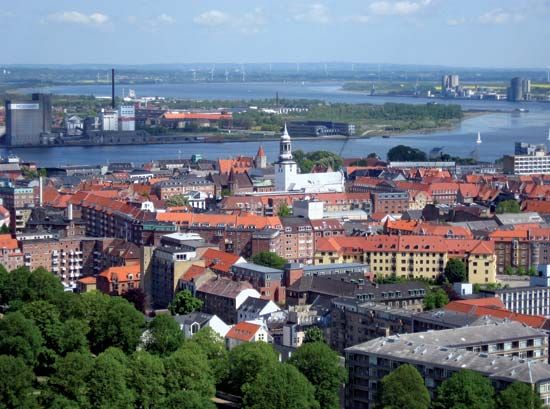
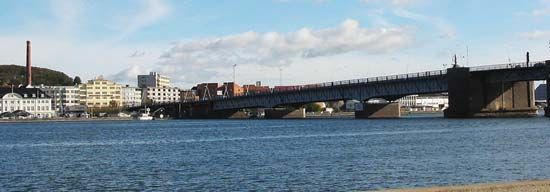
- Ålborg: The largest city on the fjord, serving as a primary port and industrial center. It is connected to the northern shore by bridges and a road tunnel.13
- Nørresundby: Located directly opposite Ålborg, this city functions as a major residential suburb and port, featuring significant meatpacking and chemical industries.13
- Løgstør: A notable port town situated along the waterway.1
- Nykøbing Mors: Located on the island of Mors, which is the largest island within the fjord system.1
- Thisted: The primary sizable town located on the western portion of the fjord within the Thy region.14
These towns are integral to the region’s economy, which has historically relied on the fjord for shipping, fishing, and the processing of local resources like moler clay.1
How does Limfjorden affect the climate of the surrounding regions?
The provided search results do not contain information regarding how Limfjorden specifically affects the local climate of its surrounding regions.
While the broader climate of Denmark is moderated by the North Atlantic Current—the terminal section of the Gulf Stream—the available data does not detail the specific microclimatic influence of the Limfjorden strait itself.51
Sources
- Limfjorden — Encyclopædia Britannica
- Denmark - Relief — Encyclopædia Britannica
- Vendsyssel-Thy — Encyclopædia Britannica
- Nørresundby — Encyclopædia Britannica
- Denmark - Climate of Denmark — Encyclopædia Britannica
- Norway - Climate of Norway — Encyclopædia Britannica
Published on · 3 min read