Loch Torridon
Loch Torridon is an Atlantic sea inlet located in the Highland region of Scotland, situated opposite the northeastern part of the Isle of Skye. Fed by the…
What is Loch Torridon?
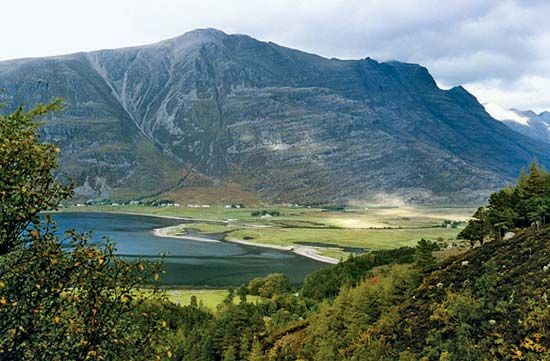
Loch Torridon is an Atlantic sea inlet located in the Highland region of Scotland, situated opposite the northeastern part of the Isle of Skye. Fed by the River Torridon, the inlet extends 13 miles (21 km) inland and is composed of three distinct reaches separated by narrow straits: Loch Torridon, Upper Loch Torridon, and Loch Shieldaig. The surrounding landscape is renowned for its natural beauty and is protected as part of the Torridon and Beinn Eighe nature reserves.1
What makes the Torridon and Beinn Eighe nature reserves unique?
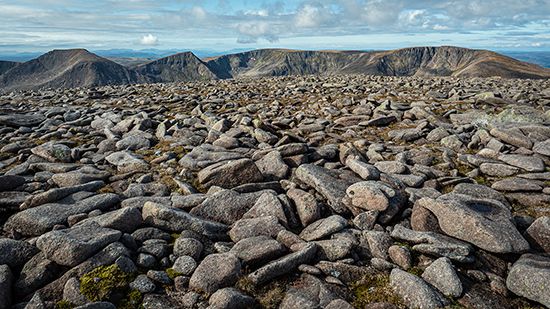
The Torridon and Beinn Eighe nature reserves are recognized for their outstanding natural beauty, serving as a protected landscape surrounding the Loch Torridon sea inlet in the Scottish Highlands. While these reserves are celebrated for their scenic value, the provided information does not detail specific biological or geological features that distinguish them from other protected areas, such as the Cairngorms National Nature Reserve, which is noted for its rare flora and fauna.21
How do sea lochs differ from freshwater lochs in Scotland?
In Scotland, the term loch is used to describe two distinct types of water bodies, which are differentiated by their connection to the ocean:
- Freshwater Lochs: These are lakes that are typically landlocked, such as Loch Lomond, which is the largest lake in Scotland. Small versions of these freshwater bodies are often referred to as a lochan.
- Sea Lochs: These are arms of the sea or inlets that are often nearly landlocked. Unlike freshwater lakes, these function similarly to a bay, estuary, or fjord, extending beyond the general shoreline into the land.34
While both are referred to by the same name, the primary distinction lies in whether the body of water is an inland lake or a tidal arm of the sea.4
What kind of wildlife can be found in the Scottish Highlands?
The Scottish Highlands support a diverse array of wildlife, ranging from mammals and birds of prey to various marine species along the coast.
Mammals
- Deer: Herds of red deer are commonly found in remote glens and on higher ground. Roe deer inhabit wooded areas, while sika and fallow deer are also present in some regions.7
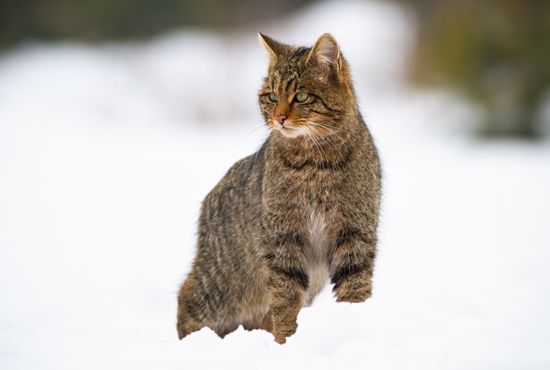
- Predators and Small Mammals: Foxes and badgers are widespread. Other notable mammals include pine martens, otters, and both mountain and brown hares. The Scottish wildcat is also present, though it is currently critically endangered.7
- Marine Life: Scottish waters are home to significant populations of gray and common seals. Dolphins and porpoises are frequently sighted, and whales are occasionally observed, particularly off the west coast.7
Birds
- Birds of Prey: Notable resident species include golden eagles, buzzards, peregrine falcons, kestrels, and the osprey.7
- Grouse and Game Birds: The red grouse is a well-known resident, while the ptarmigan is found at higher elevations. The large capercaillie has been successfully reintroduced into pine woodlands.7
- Seabirds: The coastal cliffs and isolated rock stacks support large populations of gannets, fulmars, guillemots, and gulls.7
Sources
- Loch Torridon — Encyclopædia Britannica
- Cairngorm Mountains — Encyclopædia Britannica
- loch — Merriam-Webster
- loch — Merriam-Webster
- Lomond, Loch — Merriam-Webster
- lochan — Merriam-Webster
- Scotland - Plant and animal life — Encyclopædia Britannica
- Loch Ness — Encyclopædia Britannica
- Highland — Encyclopædia Britannica
- Scotland - Agriculture, forestry, and fishing — Encyclopædia Britannica
Published on · 2 min read