Kiribati
The official language of Kiribati is English. However, the vast majority of the population speaks Gilbertese (also known as I-Kiribati), which is a…
What languages are spoken in Kiribati?
The official language of Kiribati is English. However, the vast majority of the population speaks Gilbertese (also known as I-Kiribati), which is a Micronesian language. While English is widely spoken, particularly in urban areas like Tarawa, Gilbertese remains the primary language of the people.123
What is Kiribati and where is it located?
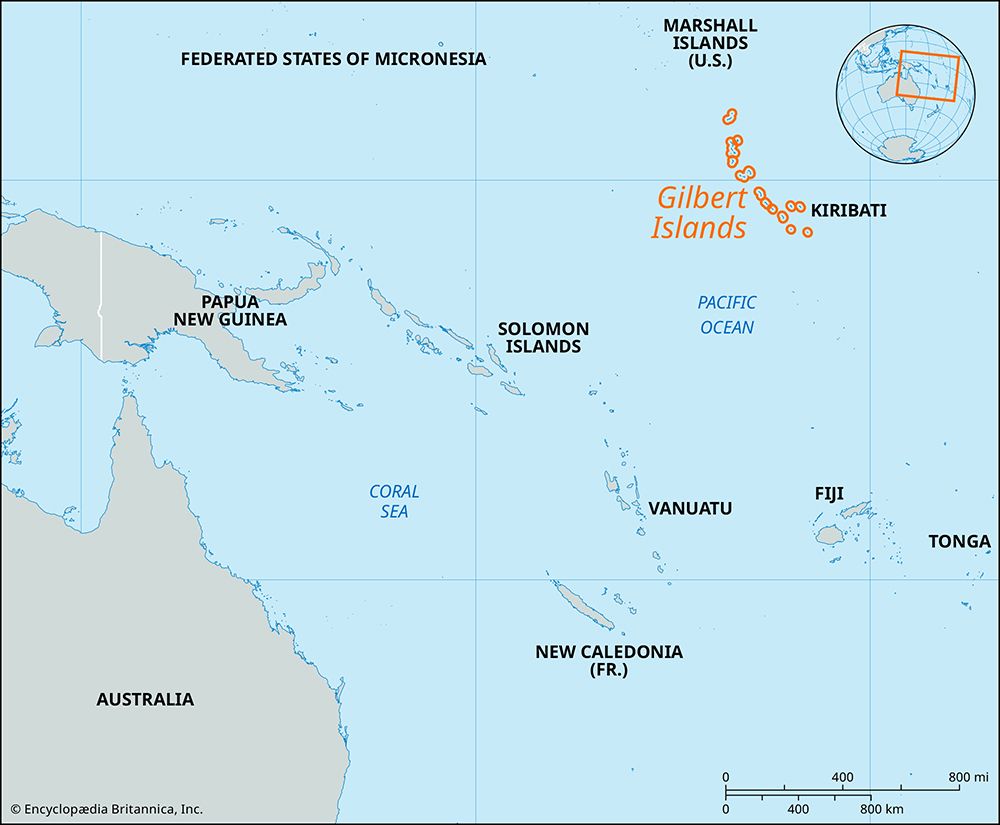
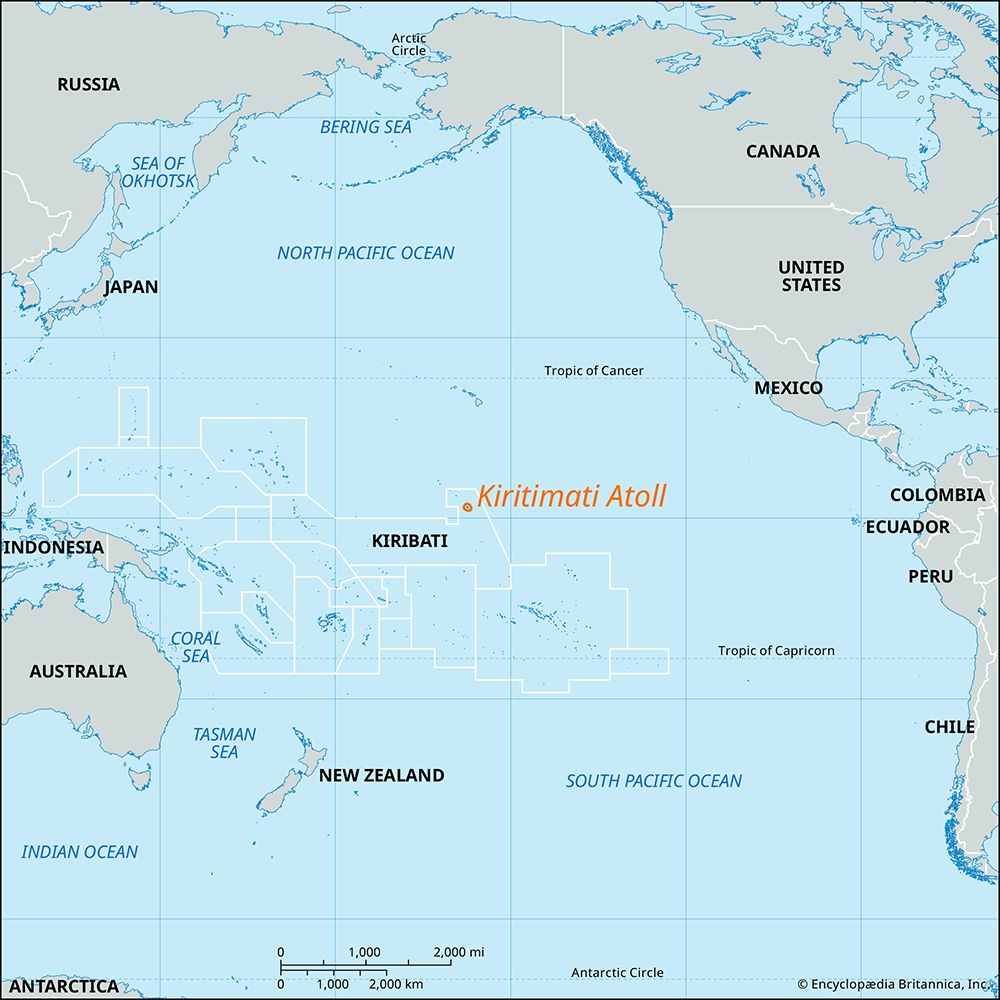
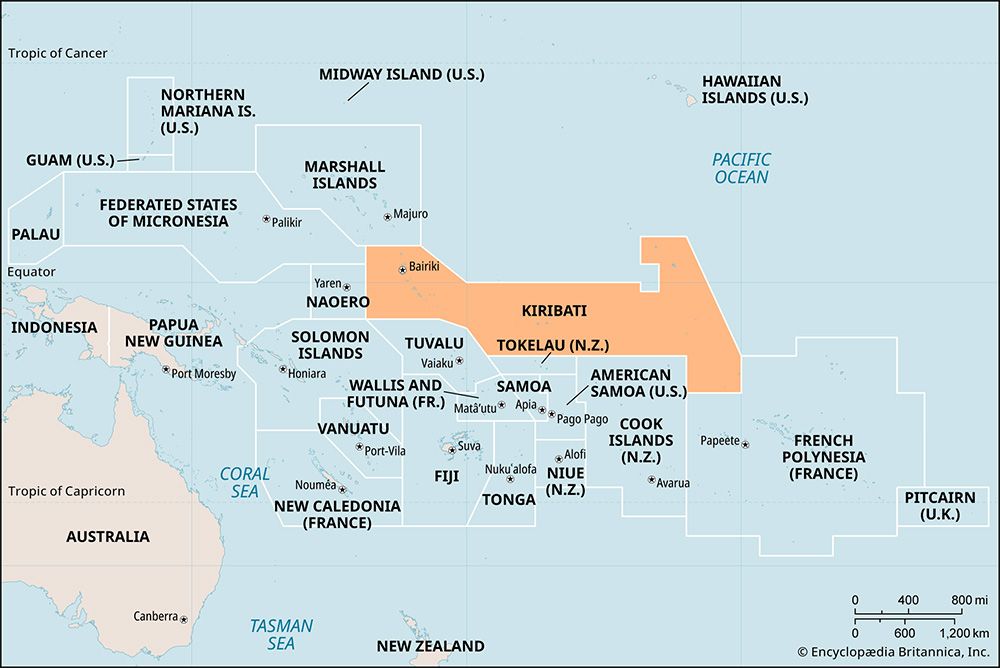
Kiribati, officially the Republic of Kiribati, is an island country located in the central Pacific Ocean. It consists of 33 islands—mostly atolls—scattered across a vast expanse of ocean, with a total land area of 313 square miles (811 square km).4156
The nation is composed of three main island groups:
- Gilbert Islands: Where the majority of the population is concentrated and where the capital, Tarawa, is located.45
- Line Islands: Located to the east, including Kiritimati, which accounts for nearly half of the country’s total land area.46
- Phoenix Islands: A group of islands that currently has no permanent population.4
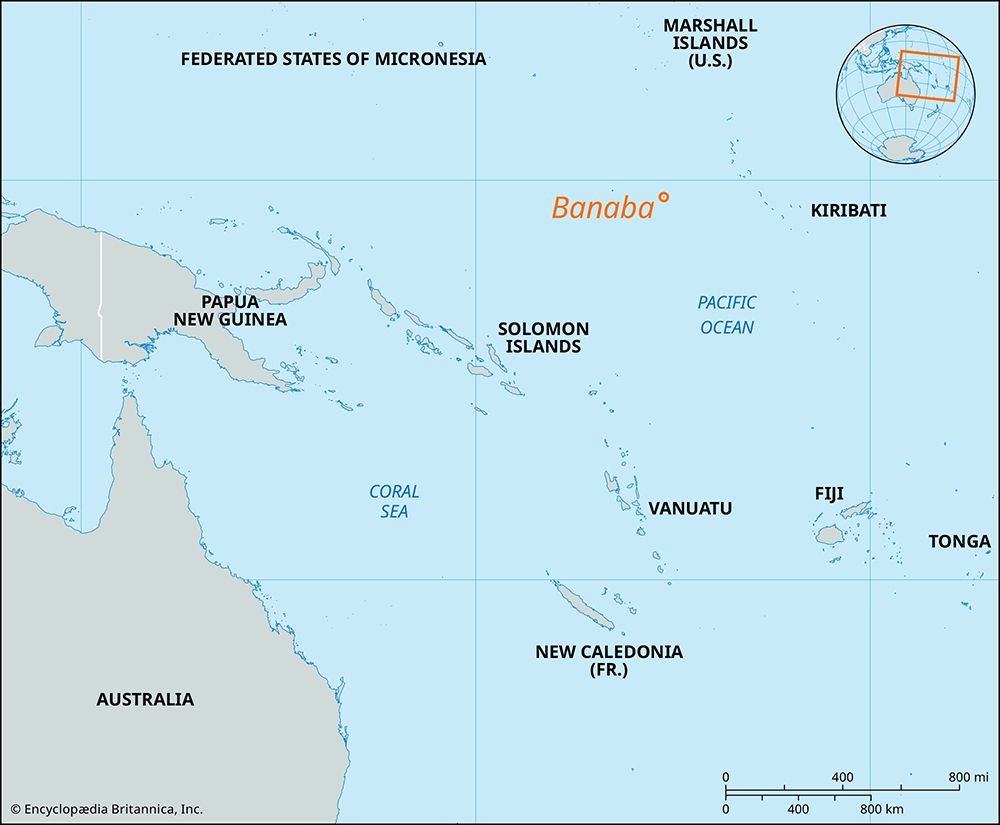
Additionally, the country includes Banaba, which contains the highest point in the nation. Due to their low elevation, these islands are particularly vulnerable to rising sea levels associated with climate change.657
How did Kiribati gain independence and when?
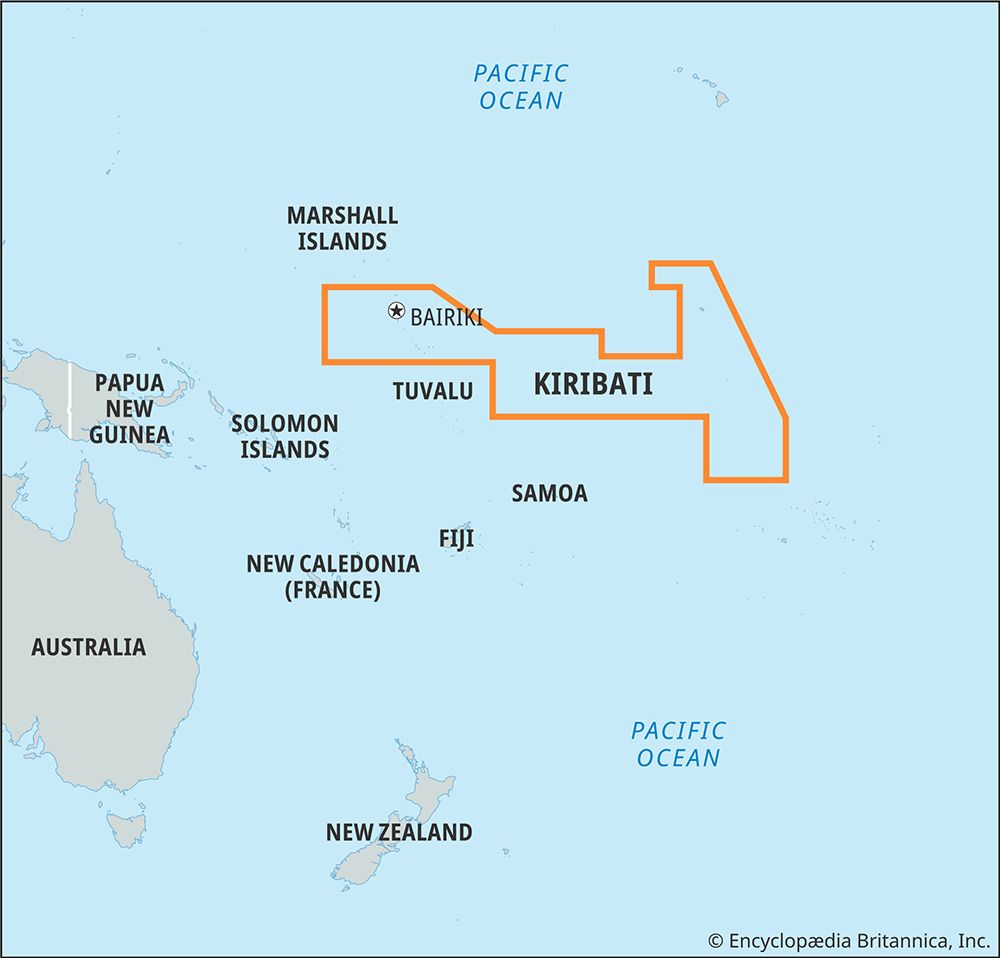
Kiribati gained its independence from Britain on July 12, 1979.89
Prior to this, the islands were part of the Gilbert and Ellice Islands colony. Due to ethnic tensions between the Melanesian population of the Gilbert Islands and the Polynesian population of the Ellice Islands, the two territories were separated in 1975–76. Following this separation and a referendum held in anticipation of independence, the former Gilbert Islands were proclaimed the independent Republic of [Kiribati].95108
What form of government does Kiribati have?
The premise in your query that Tarawa is a form of government is incorrect; Tarawa is the capital of Kiribati, not its system of governance.12
Kiribati operates as a republic with a unicameral legislature known as the House of Assembly, or Maneaba ni Maungatabu.1
The government structure includes the following key components:
- The President: The head of state and government is a president elected by the populace. Candidates for this position are first chosen by and from the members of the House of Assembly. A president may serve up to three four-year terms.1
- House of Assembly: This legislative body consists of 42 members serving four-year terms. This includes 40 elected members, one member appointed to represent the Banaban community on Rabi Island in Fiji, and the attorney general, who serves as an ex officio member.1
- Cabinet: The president selects up to 10 cabinet ministers from the legislature, who remain accountable to that body.1
- Local Government: Administration at the local level is conducted through elected island councils.1
Sources
- Kiribati: Country Facts — Encyclopædia Britannica
- Gilbertese — Merriam-Webster
- Kiribati - People — Encyclopædia Britannica
- Kiribati — Encyclopædia Britannica
- Kiribati - History of Kiribati — Encyclopædia Britannica
- Kiribati - Land — Encyclopædia Britannica
- Kiribati — Merriam-Webster
- Gilbert and Ellice Islands — Encyclopædia Britannica
- flag of Kiribati — Encyclopædia Britannica
- flag of Tuvalu — Encyclopædia Britannica
- history of Kiribati — Encyclopædia Britannica
- Kiribati - Government and society — Encyclopædia Britannica
Published on · 2 min read