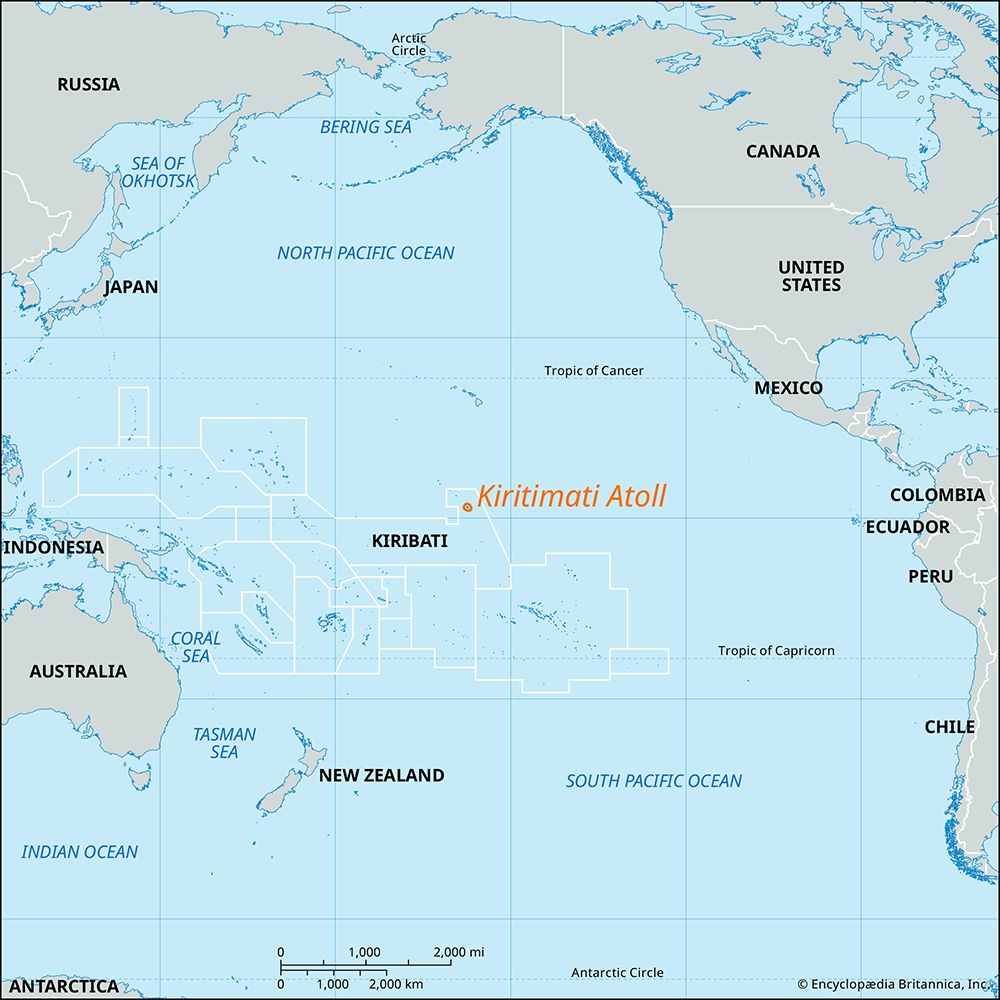
Kiritimati Atoll
Rising sea levels, attributed to climate change, pose an existential threat to Kiribati’s low-lying islands, including Kiritimati. These rising waters…
How is climate change impacting Kiritimati Atoll and other low-lying islands in Kiribati?
Rising sea levels, attributed to climate change, pose an existential threat to Kiribati’s low-lying islands, including Kiritimati. These rising waters threaten to contaminate vital freshwater resources and eventually submerge the nation’s landmass entirely.12
In response to these environmental challenges, the government of Kiribati has actively investigated long-term safety and adaptation strategies for its citizens. Potential measures include:
- Migration and Land Acquisition: Encouraging the emigration of skilled workers and securing land abroad. Notably, in 2014, the government purchased approximately 8 square miles (20 square km) of land on the Fijian island of Vanua Levu, which could serve as a future homeland or be used for supplemental food production.12
- Engineering Solutions: Exploring the creation of artificial islets, modeled after offshore oil-drilling platforms, to provide a refuge should the islands become uninhabitable.12
What role did Kiritimati Atoll play during World War II?
During World War II, Kiritimati Atoll served as a vital strategic asset for Allied forces. The atoll functioned primarily as an essential refueling station for military aircraft traveling between Hawaii and the South Pacific theater3.
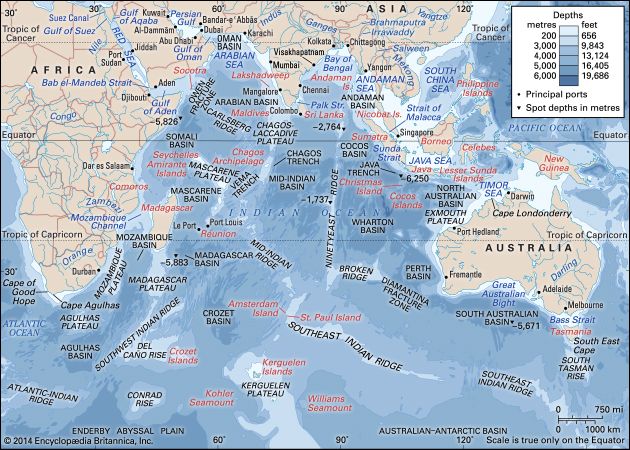
It is important to distinguish this location from the other “Christmas Island” located in the Indian Ocean, which experienced a different wartime fate: that island was occupied by Japanese forces during the conflict.3
What are the main economic activities on Kiritimati Atoll?
The economy of Kiritimati Atoll is centered on several key activities that leverage its natural resources and strategic geographic location:
- Agriculture: The atoll hosts a large, government-owned copra plantation, which remains a significant contributor to the local economy.52
- Fisheries: Fish farms are an established economic activity on the island.2
- Space and Technology: Due to its proximity to the Equator, Kiritimati has become a site for satellite telemetry stations. Additionally, the surrounding waters have been utilized for commercial Earth satellite sea launches since the late 1990s.52
- Infrastructure and Services: The atoll features port facilities and a small international airport, which support its connectivity and economic operations.5
While these activities drive the local economy, the broader nation of Kiribati also relies on license fees from foreign fishing fleets and foreign aid to support its development expenditures.3
How has human activity, including nuclear testing, affected Kiritimati Atoll?
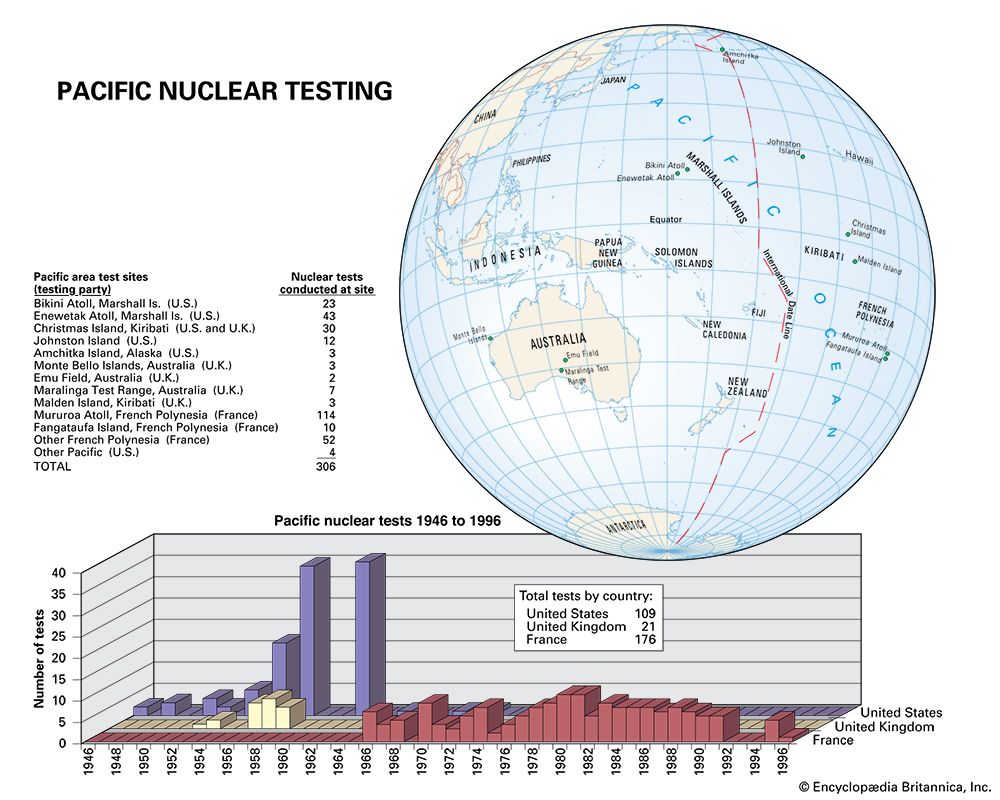
Human activity has significantly shaped the history and environment of Kiritimati Atoll. During the mid-20th century, the atoll was utilized as a strategic operations base for nuclear weapons testing, conducted by the British in 1957–58 and by the United States in 1962.38
Beyond military testing, human intervention has transformed the landscape through large-scale agricultural development, specifically the establishment of a government-owned copra plantation. In more recent decades, the atoll has been integrated into global technology networks, serving as a site for satellite telemetry stations and facilitating commercial Earth satellite sea launches3.38
To protect its ecological value, the atoll was designated a wildlife sanctuary in 1975. However, like other low-lying islands in the region, Kiritimati faces ongoing environmental threats from global warming, which contributes to rising sea levels that endanger the atoll’s fragile coral foundations and limited freshwater resources.368
Sources
- Kiribati - History of Kiribati — Encyclopædia Britannica
- history of Kiribati — Encyclopædia Britannica
- Kiritimati Atoll — Encyclopædia Britannica
- Christmas Island — Encyclopædia Britannica
- Kiribati - Economy — Encyclopædia Britannica
- Kiribati - Land — Encyclopædia Britannica
- Micronesia - Economy — Encyclopædia Britannica
- Micronesian culture - Contemporary Micronesia — Encyclopædia Britannica
Published on · 2 min read