Loasaceae
The Loasaceae family, which belongs to the dogwood order, is primarily recognized for its diverse species—many of which possess stinging, nettle-like hairs…
Are there any economic or medicinal uses for plants in the Loasaceae family?
The Loasaceae family, which belongs to the dogwood order, is primarily recognized for its diverse species—many of which possess stinging, nettle-like hairs or hooked hairs—and its ornamental, often bizarre flowers.
Based on the available information, there are no documented economic or medicinal uses for plants within this family. The literature focuses on their botanical characteristics, such as their twining habit, their distribution across the Americas, Africa, and Polynesia, and the physical discomfort caused by the stinging hairs found on genera like Loasa and Caiophora.
Where are Loasaceae plants typically found in nature?
Plants in the Loasaceae family are primarily found in tropical regions of the Americas. While the family is widespread, specific habitats vary by genus:
- The Andes and Mexico: The genus Loasa is found from Mexico through the Andes, while Caiophora species typically inhabit rocky slopes in cool Andean environments.1
- North America: Species of the genus Mentzelia, such as the blazing star, are native to western North America.1
- Other Regions: Although the family is predominantly American, a small number of species are also found in parts of Africa, western Asia, and Polynesia, specifically the Marquesas Islands.1
These plants are generally herbaceous and often exhibit a twining growth habit.1
What are the main characteristics of plants in the Loasaceae family?
The Loasaceae family, also known as the stickleaf family, consists of 14 genera and approximately 265 species within the dogwood order (Cornales).13
Key characteristics of this family include:
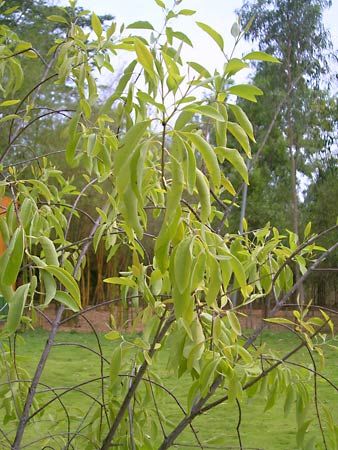
- Growth Habit: These plants are primarily herbaceous, though some are shrubs. Many species exhibit a twining or climbing habit.134
- Surface Texture: A defining feature for many members is the presence of specialized hairs. Genera such as Loasa and Caiophora possess nettle-like, painfully stinging hairs, while Mentzelia species feature nonstinging but hooked hairs.13
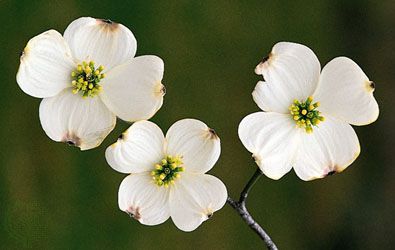
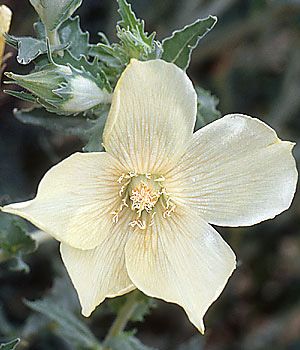
- Floral Structure: The flowers are often described as beautiful and sometimes bizarre. They typically feature separate, spreading petals—often in shades of red, orange, yellow, or white—and numerous radiating stamens with long filaments. Many species have inferior ovaries.134
- Distribution: While the family is most diverse in the tropical regions of the Americas, particularly in Mexico and the Andes, they are also found in Africa, western Asia, and Polynesia.13
What role do Loasaceae plants play in their native ecosystems?
The Loasaceae family plays a functional role in its native ecosystems primarily through its specialized physical adaptations. The presence of stinging hairs in genera like Loasa and Caiophora serves as a potent defense mechanism against herbivores, causing significant discomfort that protects the plant from being consumed.1
In contrast, the hooked hairs found on species such as Mentzelia likely facilitate interaction with the environment, potentially aiding in seed dispersal by clinging to passing animals. Furthermore, the family contributes to local biodiversity by occupying diverse niches, ranging from rocky Andean slopes to various tropical and temperate habitats. Their often showy, fragrant flowers—such as the evening-blooming blazing star—also suggest an evolutionary relationship with specific pollinators, which are essential for the reproductive success of these plants within their respective ecosystems.1
We could dive deeper into how these specific floral structures and defensive mechanisms influence the behavior of local pollinators and herbivores.
Sources
- Loasaceae — Encyclopædia Britannica
- loasa family — Merriam-Webster
- Cornales — Encyclopædia Britannica
- Loasaceae — Merriam-Webster
Published on · 2 min read