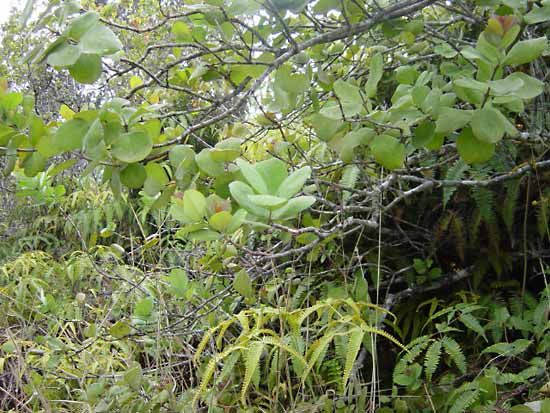
Santalaceae
Within the Santalaceae family, the most notable medicinal applications are derived from the genus Santalum, commonly known as sandalwood.
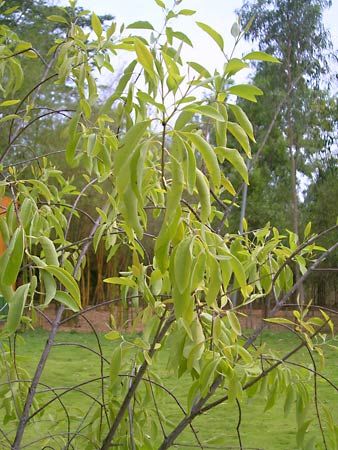
What are some traditional medicinal uses of Santalaceae plants?
Within the Santalaceae family, the most notable medicinal applications are derived from the genus Santalum, commonly known as sandalwood.
The heartwood of the true or white sandalwood (Santalum album) is harvested to extract a fragrant, yellow aromatic oil through steam distillation. This sandalwood oil has been utilized in various folk medicines, as well as in cosmetic applications.12
While these plants have been valued for their aromatic and therapeutic properties since antiquity, it is important to note that many species within the genus are currently threatened or endangered due to overexploitation and habitat loss. Ethical stewardship of these natural resources is essential to ensure their survival and to respect the cultural and historical significance they hold for many communities worldwide.12
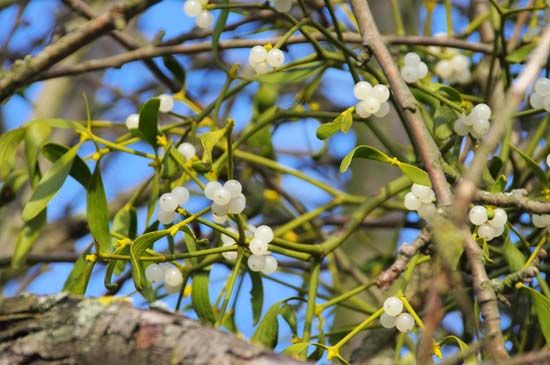
Are there any endangered species within the Santalaceae family?
Yes, there are several species within the Santalaceae family that are listed as endangered on the IUCN Red List of Threatened Species. The primary threats to these plants are habitat loss and overharvesting for their wood.3
Many of these threatened species belong to the genus Santalum, which has seen its populations nearly decimated by overexploitation. Notable examples include:32
- Endangered species: Polynesian sandalwood (S. insulare), lanai sandalwood (S. freycinetianum), ‘iliahi (S. pyrularium) of Hawaii, and yasi (S. yasi) of Fiji and Tonga.3
- Critically endangered species: The Hawaiian S. involutum and S. macgregorii of Papua New Guinea.3
- Extinct species: The Chile sandalwood (S. fernandezianum) is considered an extinct species, with its last documented sighting in 1908.3
The loss of these species highlights the critical need for sustainable management and conservation efforts to protect the biodiversity of this family.32
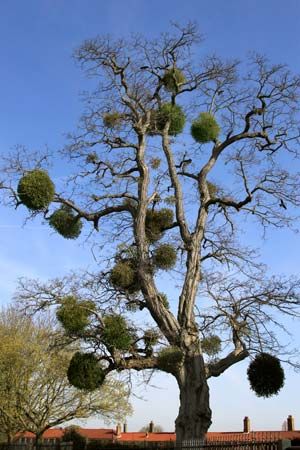
Which well-known plants belong to the Santalaceae family?
The Santalaceae family, commonly known as the sandalwood family, comprises approximately 44 genera and over 1,000 species of semiparasitic plants. Many of its most well-known members are categorized as mistletoes, which attach to the branches of host trees.
Key plants within this family include:
- Sandalwood (Santalum): This genus includes about 25 tree species. The aromatic sandalwood (S. album) is the most economically significant member, widely used in perfumery, wood carving, and for its medicinal oils.
- Mistletoes: Several genera are recognized as mistletoes, including Viscum, Phoradendron, and Arceuthobium (dwarf mistletoe). These plants are notable for their parasitic nature and, in some cases, their impact on economically important trees like walnuts and oaks.
- Bastard Toadflax: This name refers to the genus Comandra in North America and Thesium in Europe.
- Oil Nut (Pyrularia pubera): A North American parasitic plant known for its oil-filled, pear-shaped fruit.
How do Santalaceae plants reproduce, and what are their flowering characteristics?
Plants in the Santalaceae family reproduce through the production of seeds, which are typically contained within a nut or drupe-like fruit. In some species, this one-seeded fruit may be surrounded by a brightly colored, nutlike structure.12
Flowering Characteristics
The flowers of the Santalaceae family are generally small and inconspicuous. Their specific characteristics include:1
- Sexuality: Flowers can be bisexual (having both male and female organs) or unisexual (monoecious or dioecious).12
- Structure: They are often apetalous (lacking petals) or have a single perianth whorl. The stamens (male organs) typically equal the number of petals or lobes and are positioned opposite them.25
- Ovary: The ovaries are generally inferior or partly inferior in position.52
- Arrangement: Flowers often occur singly, though some species feature groups of flowers located in the leaf axils or arranged on short spikes.1
As semiparasitic plants, these species rely on haustoria—specialized organs that penetrate host tissues—to obtain the water and nutrients necessary to support their growth and reproductive processes.15
Sources
- Santalaceae — Encyclopædia Britannica
- Santalales — Encyclopædia Britannica
- sandalwood — Encyclopædia Britannica
- sandalwood oil — Merriam-Webster
- Santalaceae — Merriam-Webster
Published on · 3 min read