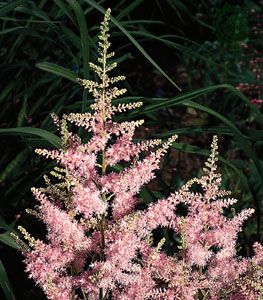
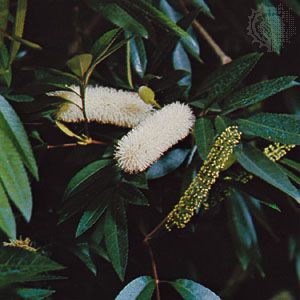
Saxifragaceae
The family Saxifragaceae exhibits a remarkable range of adaptations, allowing its members to thrive in environments varying from aquatic habitats to arid…
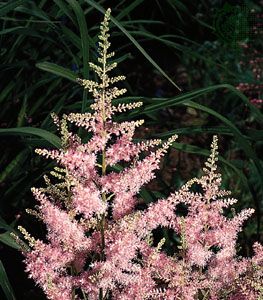
How have plants in the Saxifragaceae family adapted to their environments?
The family Saxifragaceae exhibits a remarkable range of adaptations, allowing its members to thrive in environments varying from aquatic habitats to arid, rocky crags.1
Moisture Adaptations
The family demonstrates a spectrum of water-management strategies:
- Aquatic and Wetland Species: Some members, such as Saxifraga nutans, are true aquatic plants, while others like marsh saxifrage inhabit bogs or cold mountain streams1.
- Arid Environment Strategies: Species adapted to dry conditions employ several mechanisms to conserve moisture:
- Storage: Some store water in small bulbils on the stem or in fleshy, heavily cuticularized leaves.1
- Structural Protection: Plants may feature a strongly cuticularized epidermis or produce hairy stipules and membranous bud scales.1
- Dew Absorption: In some species, leaf rosettes possess weakly cuticularized bases that absorb accumulated dew to support flowering.1
Alpine and Rocky Habitats
Known as “rock breakers,” many saxifrage species survive in harsh, high-altitude environments by utilizing tough, wiry root systems and deep taproots. In these exposed areas, some species grow as cushion plants, which minimize leaf surface area and shorten shoots to withstand extreme conditions.1
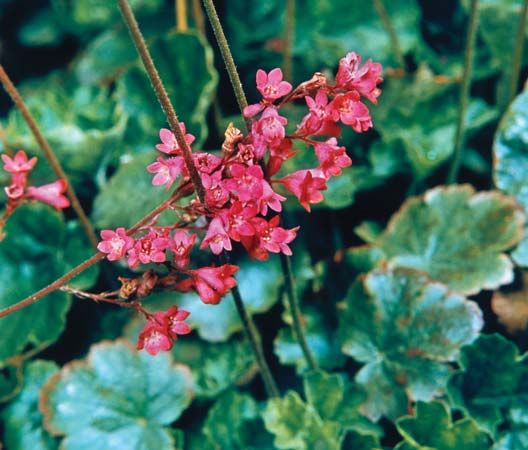
What role do Saxifragaceae plants play in their ecosystems?
The plants of the Saxifragaceae family play diverse roles within their ecosystems, primarily as specialized inhabitants of varied environments ranging from moist, shaded woodlands to harsh, exposed alpine regions.1
- Ecological Colonization: Known as “rock breakers,” many species in the genus Saxifraga are pioneers in extreme environments. They possess tough, wiry root systems and deep taproots that allow them to thrive in rock fissures and high-altitude areas covered by snow and ice, effectively colonizing habitats where few other plants can survive.1
- Habitat Diversity: The family occupies a wide ecological niche. While many species prefer the stable conditions of moist, shaded woodlands, others have adapted to specialized roles in aquatic habitats, bogs, and cold mountain streams.1
- Human Utility: Beyond their ecological presence, several members of the family are utilized by humans for medicinal and cultural purposes. For example, the rhizomes of certain species are used in traditional medicine to treat ailments such as hemorrhages, earaches, and digestive issues, while others are cultivated globally as ornamental garden plants.1
Are there any rare or endangered species within the Saxifragaceae family?
The provided search results do not contain information regarding the conservation status or the existence of rare or endangered species within the Saxifragaceae family.
While the family is described as having a cosmopolitan distribution with about 600 species, the available data focuses on their botanical characteristics, ecological adaptations, and human uses rather than their specific population statuses or vulnerability to extinction.12
How do plants in the Saxifragaceae family reproduce and disperse their seeds?
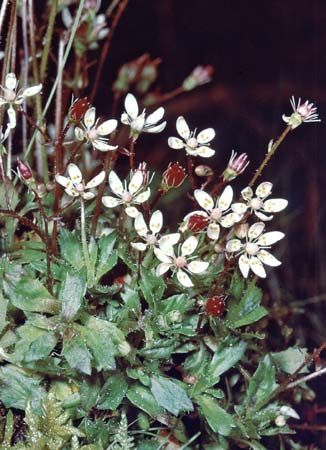
Plants in the Saxifragaceae family reproduce sexually through flowers that contain both male and female parts. These flowers typically feature four or five sepals and petals and are generally arranged in branched clusters.2
Regarding their reproductive cycle and seed dispersal:
- Seed Production: Following fertilization, the plants produce fruit in the form of a capsule that contains many seeds. These seeds are characterized by having an abundant endosperm, which provides the necessary nutrients for the developing embryo.21
- Asexual Reproduction: In addition to sexual reproduction, many species in this family—particularly those adapted to harsh environments like the Arctic or alpine tundra—rely on vegetative propagation to increase their numbers. This includes the use of runners or underground stems. Some species also produce bulblets that develop roots and shoots while still attached to the parent plant before eventually dropping to the ground to establish new growth.4
While the provided information details these reproductive strategies, it does not specify the primary mechanisms (such as wind, water, or animals) used to disperse the seeds once they are released from the capsules.
Sources
- Saxifragaceae — Encyclopædia Britannica
- Saxifragales - Order characteristics — Encyclopædia Britannica
- saxifrage — Encyclopædia Britannica
- Saxifragaceae — Merriam-Webster
- Tundra - Plant life — Encyclopædia Britannica
- Fruit - Animal dispersal — Encyclopædia Britannica
Published on · 3 min read