Luni River
The Luni River, located in Rajasthan, India, is a seasonal waterway that serves as a vital resource for the surrounding region. Despite its name, which is…
How do local communities use the Luni River for agriculture and other economic activities?
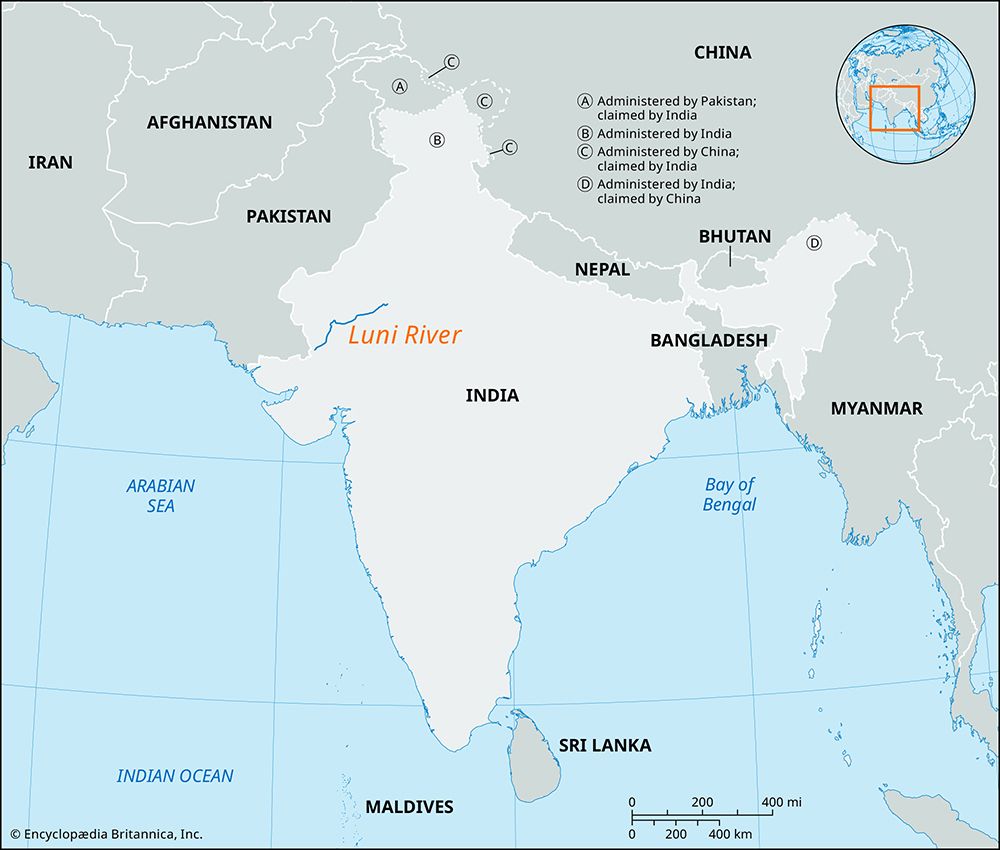
The Luni River, located in Rajasthan, India, is a seasonal waterway that serves as a vital resource for the surrounding region. Despite its name, which is derived from the Sanskrit word for “salt river” due to its high salinity, it remains the only major river in its area.1
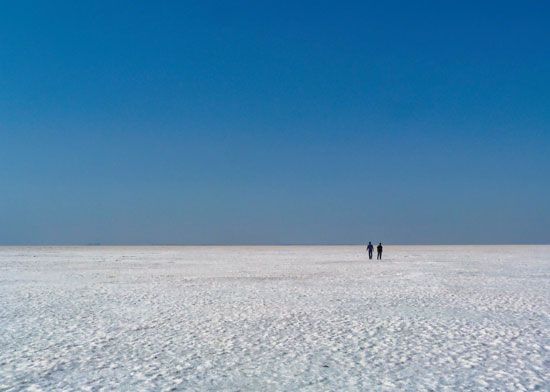
Local communities rely on the Luni as an essential source of irrigation water to support agriculture across the plains of western India. Because the river is seasonal and flows through arid terrain before dissipating into the Rann of Kachchh, its management is critical for sustaining local livelihoods in this desert environment.1
What is the total length of the Luni River, and how does it compare to other rivers in India?
The Luni River has a total length of approximately 330 miles (530 km).1
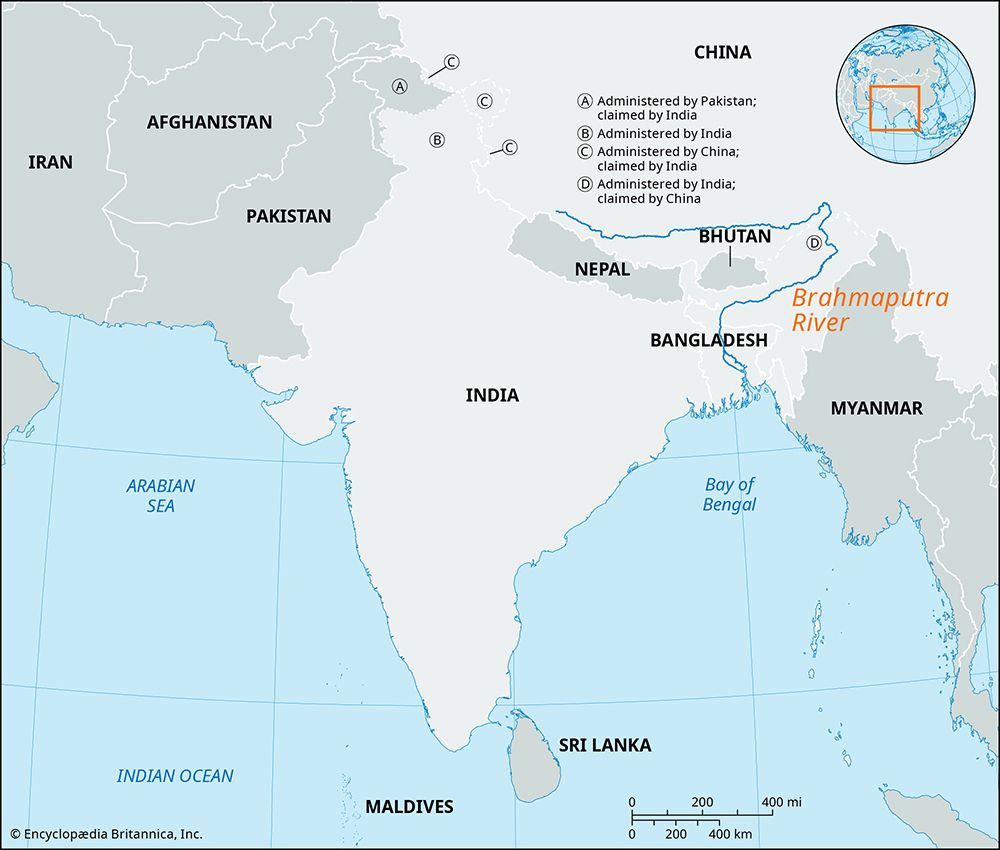
When compared to major river systems in India, the Luni is significantly shorter and distinct in its nature. For instance, the Ganges River spans 1,560 miles (2,510 km), holding the record for the longest course within India. Similarly, while the Brahmaputra River has a total length of about 1,800 miles (2,900 km), its course within India is 450 miles (725 km), which still exceeds the entire length of the Luni.2
Furthermore, unlike the major Himalayan-fed rivers that benefit from consistent meltwater and runoff, the Luni is an exclusively rain-fed, seasonal river characterized by high salinity. While the Ganges and Brahmaputra systems drain vast regions and support extensive navigation and irrigation, the Luni serves as the primary, albeit limited, water source for its specific arid region in western India.12
What are the major tributaries of the Luni River?
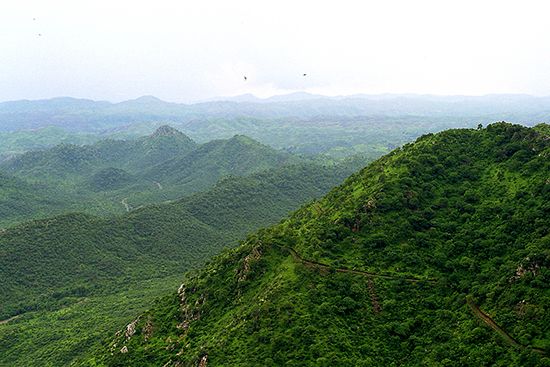
The Luni River, which originates as the Sagarmati near Ajmer, is fed by several key streams as it flows southwestward through the Aravalli Range.
The major tributaries of the Luni River are:
- Jowai
- Sukri
- Jojari
These tributaries are essential for collecting the drainage from the southwestern slopes of the Aravalli Range, contributing to the river’s role as the primary water source for the surrounding arid plains.1
Are there any notable historical or cultural sites along the Luni River?
The Luni River flows through the Rajasthan region, originating near Ajmer on the slopes of the Aravalli Range. While the river is historically significant as the primary water source for this arid landscape, the provided information does not detail specific historical or cultural sites located along its banks.1
The river’s name itself carries cultural and historical weight, derived from the Sanskrit term lavanavari, meaning “salt river,” which reflects its long-standing identification by its excessive salinity.1
Sources
- Luni River — Encyclopædia Britannica
- India - The Ganges-Brahmaputra river system — Encyclopædia Britannica
Published on · 2 min read