Rann of Kachchh
The provided search results do not contain information regarding the specific significance of the Rann of Kachchh in terms of salt production. While the…
What is the significance of the Rann of Kachchh in terms of salt production?
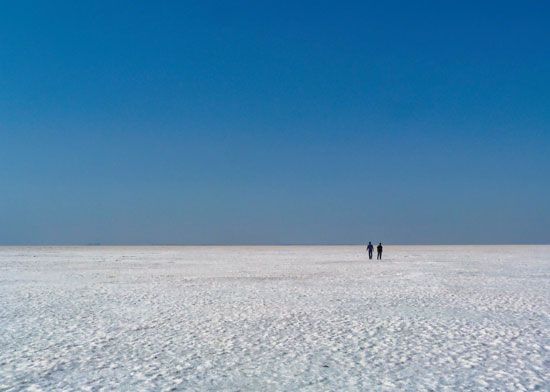
The provided search results do not contain information regarding the specific significance of the Rann of Kachchh in terms of salt production. While the region is described as a seasonal salt desert that forms a bed of white salty land during the summer due to water evaporation, the text does not detail its role or significance in the salt industry.1
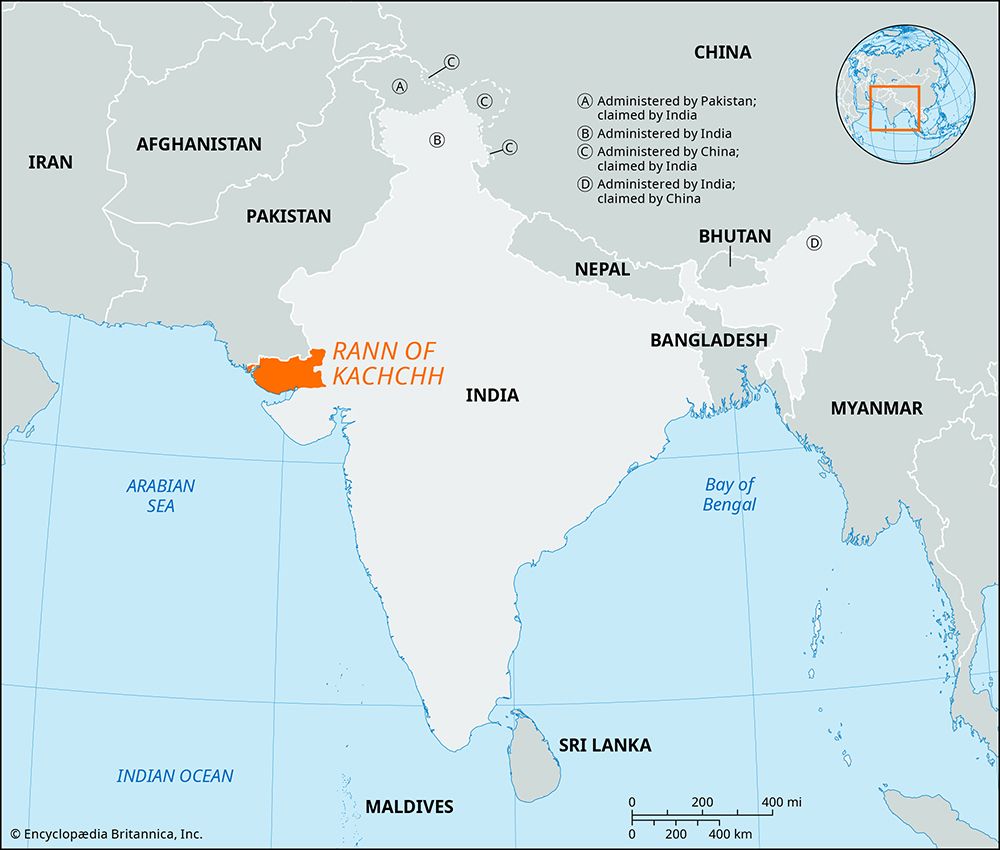
What conservation efforts are in place to protect the Rann of Kachchh ecosystem?
To protect the unique and fragile ecosystem of the Rann of Kachchh, several conservation initiatives have been established by the governments of India and Pakistan.
Protected Areas and Reserves
- Kutch Biosphere Reserve: Established by the Indian government in 2008, this reserve was created specifically to safeguard the ecological integrity of both the Great Rann and the Little Rann.1
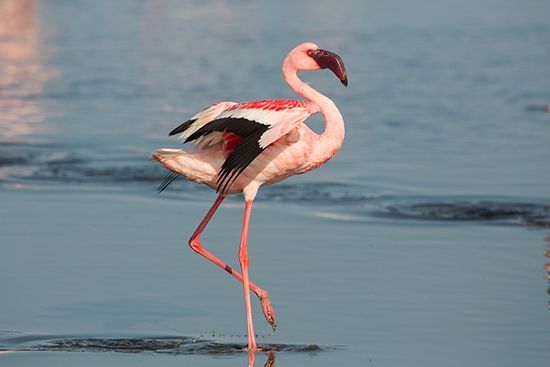
- Kutch Desert Wildlife Sanctuary: Located within the Great Rann, this sanctuary serves as a critical habitat for diverse wildlife, including the famous “Flamingo City,” where thousands of flamingos nest and breed.1
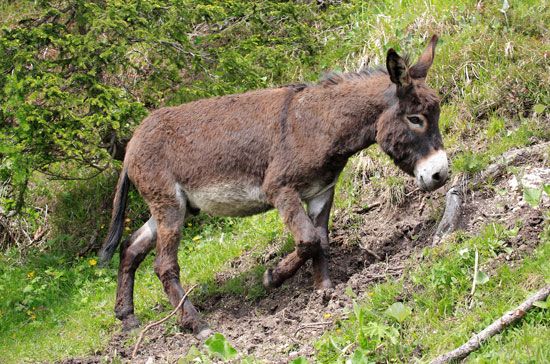
- Indian Wild Ass Sanctuary: Situated in the Little Rann, this protected area is vital for the survival of the endangered Indian wild ass, as it remains one of the few places where the species can still be found.1
- Rann of Kutch Wildlife Sanctuary: This sanctuary is maintained by Pakistan to protect the northern portion of the Great Rann.1
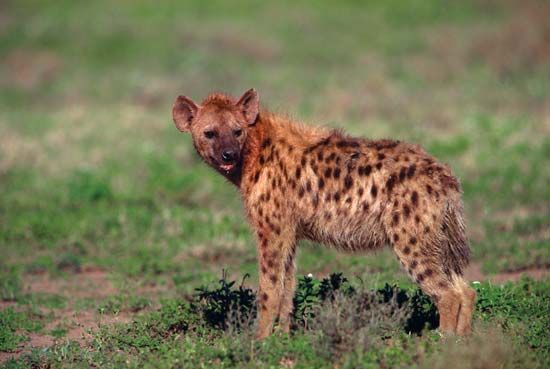
These efforts are essential for preserving the region’s biodiversity, which includes various species of hyenas, spiny-tailed lizards, and antelope such as the nilgai and chinkara.1
How does the landscape of the Rann of Kachchh change during different seasons?
The landscape of the Rann of Kachchh undergoes dramatic transformations driven by its highly seasonal, subtropical climate. Because the region is a low-lying, bowl-shaped depression, its appearance shifts significantly throughout the year:
- Monsoon Season (June to September): During these months, the region becomes waterlogged as it fills with rainwater, effectively turning the area into a vast, expansive wetland.
- Dry Season: Following the monsoon, the water begins to evaporate during the long, hot, and dry months.
- Summer: By the height of summer, when temperatures can reach up to 120 °F (50 °C), the water has completely evaporated, leaving behind a stark, white bed of salty land that characterizes the region as a salt desert.
This cycle of flooding and evaporation is a defining feature of the Rann of Kachchh, influencing both the local vegetation—which consists primarily of grass and thorn scrubs—and the migratory patterns of the region’s diverse wildlife.1
What is the geological history behind the formation of the Rann of Kachchh?
The geological history of the Rann of Kachchh is defined by its transition from a marine environment to a terrestrial salt desert. Historically, the region was a shallow extension of the Arabian Sea. Over time, a significant geological shift occurred that closed off this connection to the sea, isolating the area.
Following this separation, the region evolved into a low-lying, bowl-shaped depression. Because it lacks a direct marine outlet, it became a seasonal marshy salt desert. This unique geography allows the area to flood during the monsoon season, creating a vast wetland, while the intense heat of the summer months causes the water to evaporate, leaving behind the characteristic bed of white, salty land. Evidence from historical records, such as the Periplus Maris Erythraei, suggests that the region was once navigable, supporting hypotheses that the Rann may have functioned as a lake or an estuary in antiquity before reaching its current state.
Sources
- Rann of Kachchh — Encyclopædia Britannica
- Kachchh, Rann of — Merriam-Webster
- Rann of Kachchh — Merriam-Webster
- Gujarat - Relief, drainage, and soils — Encyclopædia Britannica
Published on · 3 min read