Maca
Maca (Lepidium meyenii) is an herbaceous plant in the Brassicaceae family, native to the high-altitude Andes Mountains of central Peru. It is primarily…
What is the maca plant?
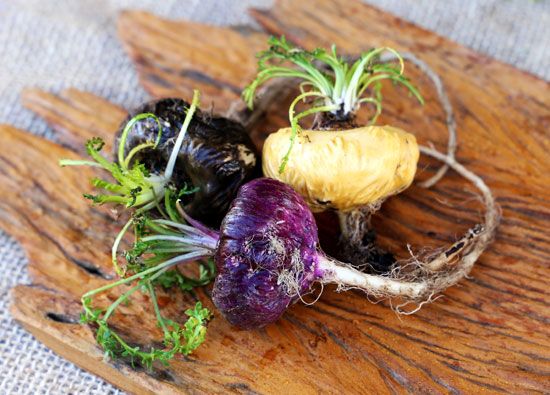
Maca (Lepidium meyenii) is an herbaceous plant in the Brassicaceae family, native to the high-altitude Andes Mountains of central Peru. It is primarily cultivated as a root vegetable for its fleshy, edible storage organ, which consists of a taproot fused with a stem known as a hypocotyl.1
Thriving in harsh, cold, and windy conditions at elevations up to 4,500 metres, the plant is compact and low-growing. Its hypocotyls, which can be yellow, red, or black, are often dried for long-term storage and later used in porridge or drinks. Nutritionally, dried maca is comparable to cereal grains, offering a good source of carbohydrates, protein, and fibre.1
Beyond its culinary uses, maca is utilized in folk medicine as an aphrodisiac and fertility enhancer. It is also marketed as an herbal supplement for managing menopause symptoms, hormonal imbalances, and energy levels, though further clinical research is ongoing.1
Where does maca naturally grow?
The maca plant is native to the Andes Mountains of central Peru. It is recognized as one of the highest-elevation crops in the world, naturally growing at altitudes roughly between 4,000 and 4,500 metres (13,000 and 14,800 feet).1
In this environment, the plant has adapted to harsh, cold, and windy conditions, thriving in the fragile, nutrient-poor soils of the high-altitude highlands. Due to the nature of these soils, the plant is traditionally cultivated using long-term crop rotation, with maca being planted in a specific field only once every 10 years.1
What does the maca plant look like?
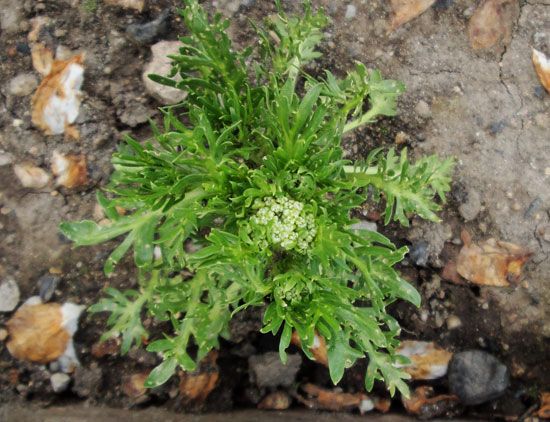
The maca plant is a compact, low-growing herbaceous plant that has adapted to the harsh, windy, and cold conditions of the high Andes. Its physical appearance changes throughout its life cycle:
- Growth Habit: It is typically grown as an annual and stays close to the ground to survive its environment.
- Leaves: The plant features broad basal leaves during its first year, while the flowering stalks in the second year produce narrower leaves. These leaves range in shape from entire to deeply lobed.
- Flowers and Fruit: It produces small, four-petaled whitish flowers arranged in short spikes. Its seeds are contained within flat, round, dry fruits known as silicles.
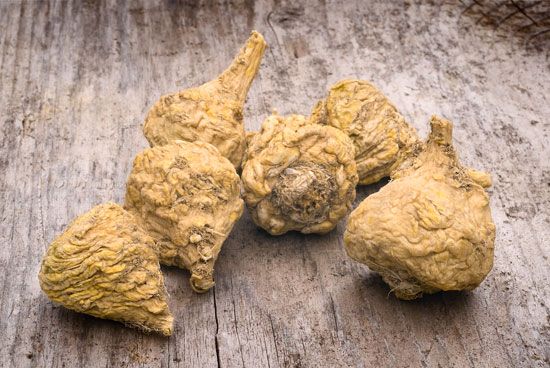
- Hypocotyl: The most recognizable part is the fleshy, edible storage organ—a fusion of a taproot and stem. Its outer skin can be yellow, red, or black, with yellow being the most common variety.
How is maca used by people?
The maca plant has been used for centuries as both a versatile food source and a traditional remedy. Its primary uses include:
Culinary Uses
- Fresh Consumption: Fresh maca can be baked and eaten as a vegetable, offering a sweet flavor. The young leaves are also consumed raw or cooked.
- Dried Storage: Traditionally, maca is sun-dried until the hypocotyls become extremely hard, allowing them to be stored for many years.
- Preparation: Dried roots are boiled to create porridge or drinks. Due to its nutritional profile—high in carbohydrates with moderate protein and fibre—it is often compared to cereal grains.
Medicinal and Supplemental Uses
- Folk Medicine: Historically used as an aphrodisiac and fertility enhancer.
- Health Supplements: It is used to address menopause symptoms, hormonal imbalances, osteoporosis, and prostate issues.
- Modern Consumption: It is widely sold as a powder to be added to smoothies or baked goods, or taken in pill form to support energy, endurance, and mental clarity.
Sources
- Maca — Encyclopædia Britannica
Published on · 3 min read