Brassicaceae
The Brassicaceae family, also known as the mustard family, includes a wide variety of economically important food crops and herbs. These plants are…
Which common vegetables and herbs belong to the Brassicaceae family?
The Brassicaceae family, also known as the mustard family, includes a wide variety of economically important food crops and herbs. These plants are characterized by their pungent, sulfur-containing compounds and four-petaled flowers.123
Common vegetables and herbs in this family include:
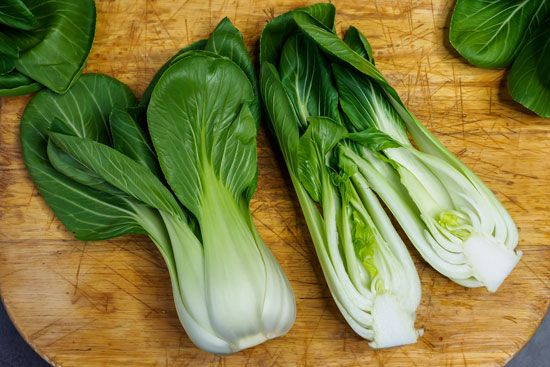
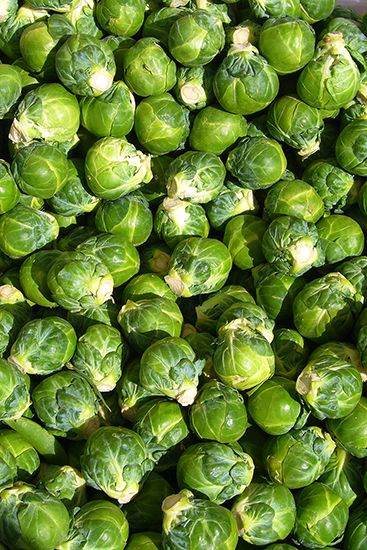
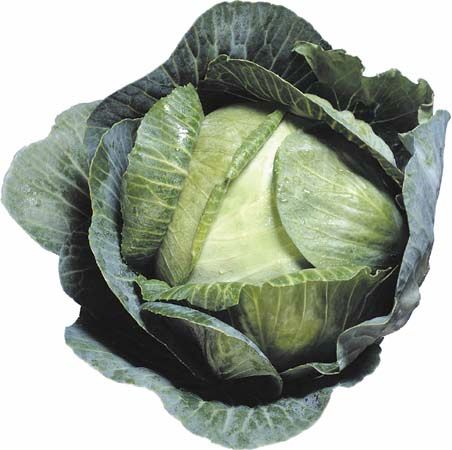
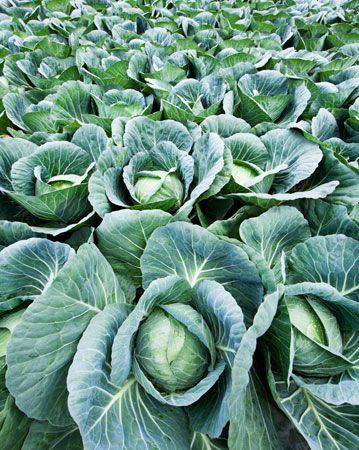
- Leafy greens and cruciferous vegetables: Arugula, bok choy, broccoli, Brussels sprouts, cabbage, cauliflower, collard, kale, kohlrabi, and napa cabbage.1
- Root vegetables: Horseradish, radish, rutabaga, and turnip.1
- Herbs and condiments: Brown mustard, peppergrass, wasabi, watercress, and white mustard.1
- Other crops: Maca and rape.1
Many of these species belong to the genus Brassica, which has been significantly altered through domestication to produce the diverse vegetables consumed today.12
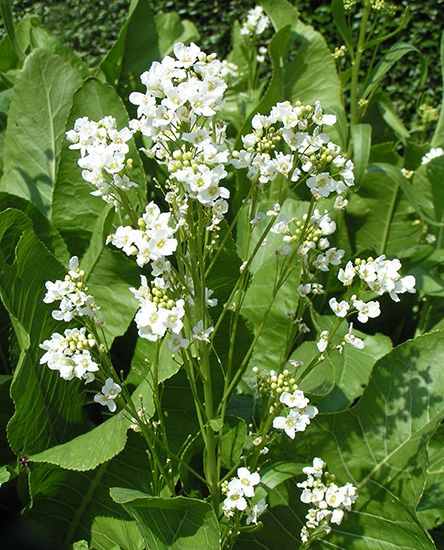
How do plants in the Brassicaceae family defend themselves against pests and diseases?
Plants in the Brassicaceae family, often called crucifers, primarily defend themselves against pests and diseases through the production of glucosinolates, which are sulfur-containing compounds also known as mustard oils. These chemical compounds are present in nearly every member of the family and serve as a natural deterrent against a wide range of threats, from bacteria to mammals.45
However, these chemical defenses are not universally effective. Some specialized pests, such as butterflies of the genus Pieris (including cabbage whites), have evolved to be attracted to these compounds, making them significant pests for cultivated Brassica crops.45
Beyond their internal chemical defenses, these plants are susceptible to various diseases, such as black rot, which require external management strategies. Control methods for such diseases include:
- Using pathogen-free seeds.6
- Treating seeds with hot water.6
- Rotating crops with nonhost species.6
- Implementing sanitary measures, such as destroying volunteer plants and weeds or sterilizing gardening tools.6
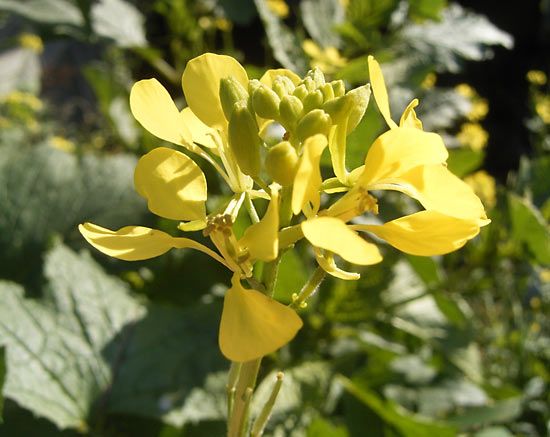
What are the key characteristics that define plants in the Brassicaceae family?
The Brassicaceae family, commonly known as the mustard family, is defined by several distinct botanical and chemical characteristics:
Floral Structure
The family is frequently referred to as “crucifers” or “cruciferous” because of their unique, cross-shaped flowers. These flowers typically feature:
- Four petals and four sepals arranged in a cruciform pattern.4
- A characteristic stamen arrangement consisting of four long and two short stamens.4
- A two-chambered ovary positioned above the other flower parts.4
Fruit and Growth
- Fruit: Seeds are produced in dry, podlike fruits. Long, thin fruits are classified as siliques, while shorter, rounded fruits are known as silicles.42
- Habit: Members are typically herbs that can grow as annuals, biennials, or perennials.4
- Leaves: The leaves are generally simple, alternately arranged, and often possess a peppery flavor.4
Chemical Composition
The most defining chemical trait of the family is the presence of glucosinolates. These sulfur-containing compounds, also called mustard oils, are responsible for the characteristic pungent smell and taste of these plants and serve as a chemical defense mechanism against herbivores.45
What economic importance do Brassicaceae crops have in global agriculture?
Plants in the Brassicaceae family hold significant economic importance in global agriculture, as they have been extensively domesticated and adapted by humans for diverse uses.2
Food and Vegetable Production
Many members of the genus Brassica are staple food crops. These include widely consumed vegetables such as cabbage, broccoli, Brussels sprouts, kale, kohlrabi, turnip, and rutabaga. Additionally, crops like radish and horseradish are valued for their culinary applications.82
Oil and Condiments
The family is a vital source of vegetable oil, particularly rape and brown mustard. Brown mustard is cultivated globally for its pungent seeds, which are processed into mustard condiments. The oil extracted from these seeds is used for both food and industrial purposes, while the residual seed cake serves as a valuable animal feed.4
Ornamental and Other Uses
Beyond food and oil, several species are grown as ornamentals, including basket-of-gold, candytuft, and honesty.2
Sources
- list of economically important members of the family Brassicaceae — Encyclopædia Britannica
- brassica — Encyclopædia Britannica
- Brassicales - Brassicaceae , Capparaceae, and Cleomaceae — Encyclopædia Britannica
- Brassicaceae — Encyclopædia Britannica
- Brassicales — Encyclopædia Britannica
- Plant disease - Control — Encyclopædia Britannica
- Plant disease - Adverse environment — Encyclopædia Britannica
- Brown mustard — Encyclopædia Britannica
Published on · 3 min read