Peppergrass
The genus Lepidium, commonly known as peppergrass, belongs to the mustard family (Brassicaceae). It comprises approximately 230 species of herbs distributed…
What are the key characteristics of plants in the peppergrass genus?
The genus Lepidium, commonly known as peppergrass, belongs to the mustard family (Brassicaceae). It comprises approximately 230 species of herbs distributed globally, many of which are recognized as common lawn and field weeds.1
Key characteristics of the genus include:
- Growth Habit: Most species are annuals characterized by a long taproot.1
- Foliage: The plants feature broad basal leaves that differ in shape from the narrower leaves found on their flowering stalks; leaf margins range from entire to deeply lobed.1
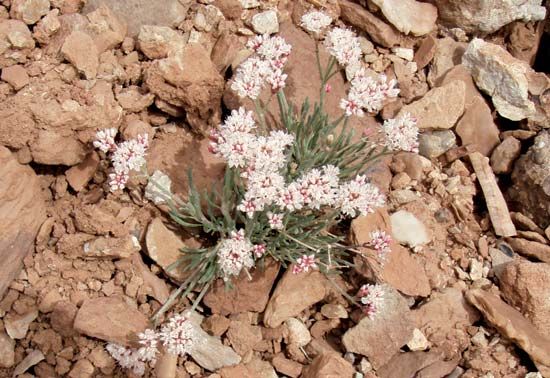
- Flowers: They produce small, four-petaled flowers that are typically greenish or whitish and arranged in short spikes.1
- Fruit and Seeds: The seeds are contained within dry, flat, round fruits known as silicles, which often feature a notch or depression at the summit.12
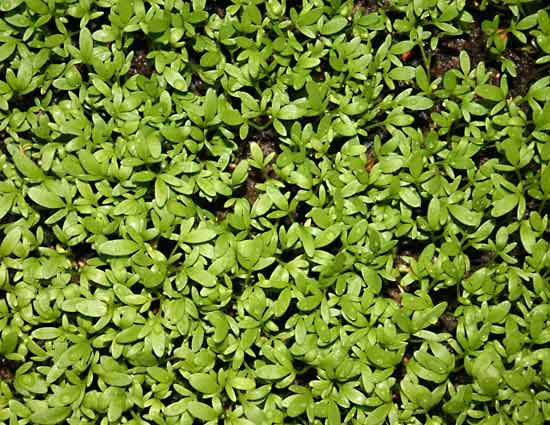
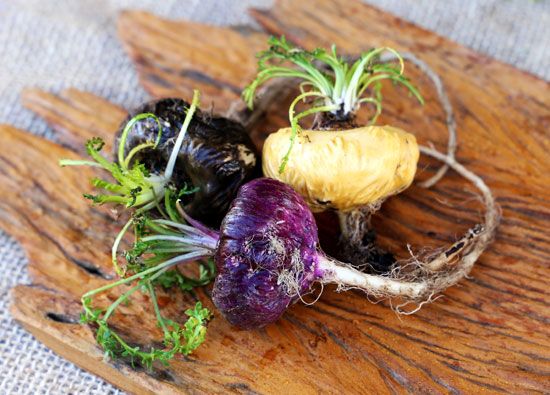
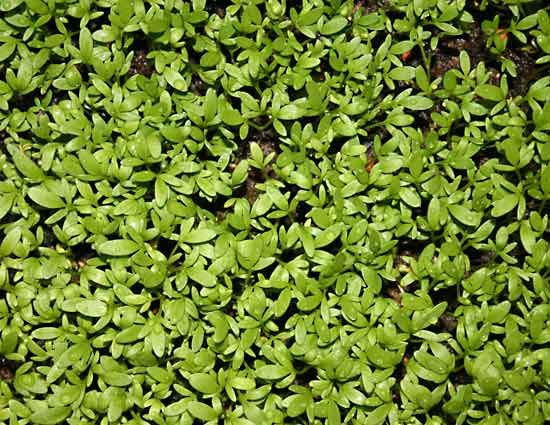
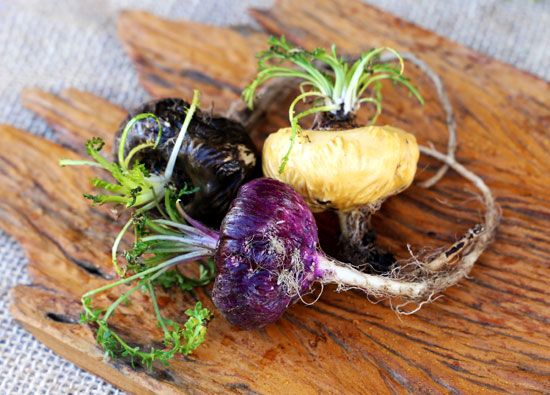
While some species are considered weeds, others are cultivated for their edible, peppery leaves or used in herbal medicine. Notable examples include garden cress and maca, the latter being a root vegetable native to the Andes Mountains.1
How did peppergrass get its common name?
The common name “peppergrass” is derived from the distinct, piquant, and peppery flavor of the leaves found in many species within the genus Lepidium. These plants are frequently cultivated as salad greens, seasonings, or garnishes specifically for this sharp, spicy taste.1
The name reflects the plant’s culinary utility, as members of the genus—such as common garden cress—are valued for the zest they add to food. While the term “grass” is part of the common name, these plants are actually herbs belonging to the mustard family, rather than true grasses.1
How many species are included in the peppergrass genus?
The genus Lepidium, commonly known as peppergrass, includes approximately 230 species of herbs within the mustard family.1
What are the typical flowering and fruiting patterns of peppergrass plants?
Peppergrass plants exhibit specific reproductive structures that define their growth cycle. Their small, four-petaled flowers—typically greenish or whitish in color—are arranged in short spikes along the flowering stalks.1
Following the flowering stage, the plants produce seeds contained within dry, flat, and round fruits known as silicles. These seed-bearing stalks are a notable feature of the plant, with some species, such as Virginia peppergrass, being utilized as a food source for birds.1
Sources
- peppergrass — Encyclopædia Britannica
- Lepidium — Merriam-Webster
- Celastrales — Encyclopædia Britannica
- peppergrass — Merriam-Webster
- pepper cress — Merriam-Webster
- lepiota — Merriam-Webster
Published on · 2 min read