Dame’s Rocket
Dame’s rocket (Hesperis matronalis) is an herbaceous plant belonging to the mustard family (Brassicaceae). Native to Eurasia, it is frequently grown as an…
What is dame’s rocket?
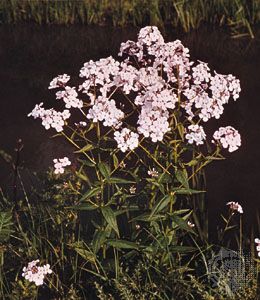
Dame’s rocket (Hesperis matronalis) is an herbaceous plant belonging to the mustard family (Brassicaceae). Native to Eurasia, it is frequently grown as an ornamental but has become an invasive species after naturalizing in North America.1
The plant grows as a biennial or short-lived perennial, typically reaching about 90 cm (3 feet) in height. It features narrow, toothed leaves and loose clusters of four-petaled flowers. These flowers, which emit a violet-like fragrance, are usually lilac, purple, or white. Because the species readily reseeds, a single plant can produce hundreds of seeds contained within narrow fruits called siliques.1
What defines an invasive species?
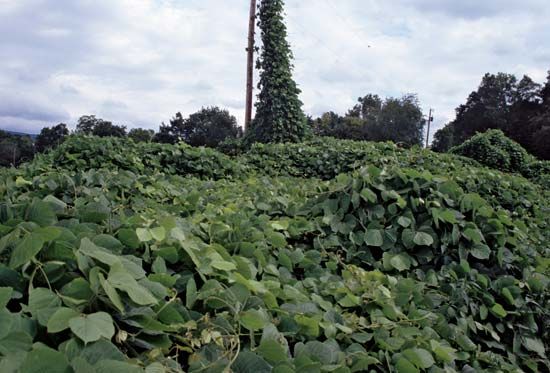
An invasive species is defined as any nonnative species that significantly disrupts or modifies the ecosystems it colonizes. While some species migrate naturally, most invasive organisms are introduced to new habitats through human activities, such as global commerce and the pet trade2.2
An introduced species becomes invasive when it possesses a competitive advantage over indigenous species, often thriving because the new environment lacks natural predators to control its population. These organisms can cause significant harm by:2
- Reducing Biodiversity: They may outcompete native species for food and living space, sometimes leading to localized extinction.2
- Disrupting Food Webs: Invasive predators can cause prey populations to collapse2.
- Spreading Disease: They often act as vectors for parasites and pathogens.2
- Causing Economic Damage: They frequently harm human industries that rely on local biological resources.2
Ultimately, these organisms tend to spread easily to the detriment of the native environment.3
How do biennial plants differ from perennials?
The primary difference between biennial and perennial plants lies in the duration of their life cycles and their reproductive patterns.
- Biennials are herbaceous plants that complete their entire life cycle over two growing seasons. During the first year, they focus on vegetative growth, developing roots, stems, and leaves. In the second year, they produce flowers, fruits, and seeds before dying. Common examples include carrots, parsley, and dill.45
- Perennials are plants that persist for many years. Unlike biennials, they do not die after flowering; instead, they often flower annually and continue to grow over multiple seasons. While woody perennials like trees and shrubs maintain their structure year-round, herbaceous perennials in temperate climates often have their aboveground parts die back in autumn, regenerating from underground structures like bulbs, rhizomes, or tubers the following spring.65
What are other common plants in the mustard family?
The mustard family, known as Brassicaceae, is a diverse group of flowering plants comprising approximately 350 genera and over 4,100 species. Beyond the well-known Brassica crops, the family includes a wide variety of plants valued for culinary, agricultural, and ornamental purposes.78
Common Food Crops
Many members of this family are staples in human diets, often recognized for their peppery flavor caused by sulfur-containing compounds called glucosinolates. Notable examples include:7
- Root and Leaf Vegetables: Arugula, horseradish, radish (including daikon), watercress, and wasabi.98
- Mustards: Brown mustard and white mustard.97
- Other Notable Plants: Maca, sea kale, and woad.98
Ornamental Species
Several species are cultivated for their showy, cross-shaped flowers, which typically feature four petals. These include:97
- Basket-of-gold
- Candytuft
- Dame’s rocket
- Honesty
- Rock cress
- Stock
- Sweet alyssum
- Wallflower9
Sources
- dame’s rocket — Encyclopædia Britannica
- invasive species — Encyclopædia Britannica
- invasive — Merriam-Webster
- Biennial — Encyclopædia Britannica
- Perennial — Encyclopædia Britannica
- Angiosperm - General features — Encyclopædia Britannica
- list of economically important members of the family Brassicaceae — Encyclopædia Britannica
- Brassicaceae — Encyclopædia Britannica
- brassica — Encyclopædia Britannica
- list of plants in the family Brassicaceae — Encyclopædia Britannica
Published on · 2 min read