Mackenzie Mountains
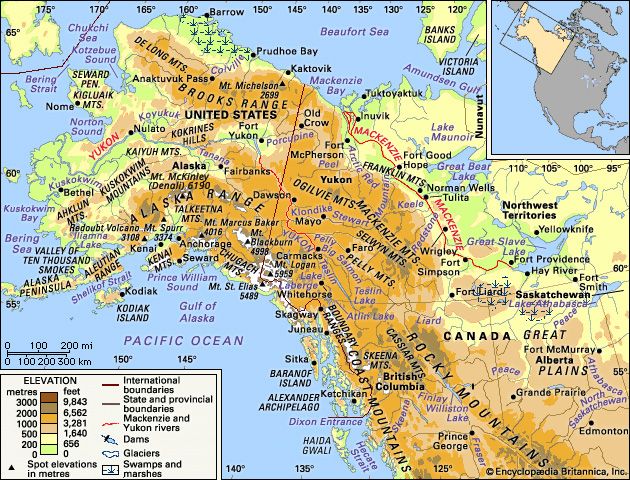
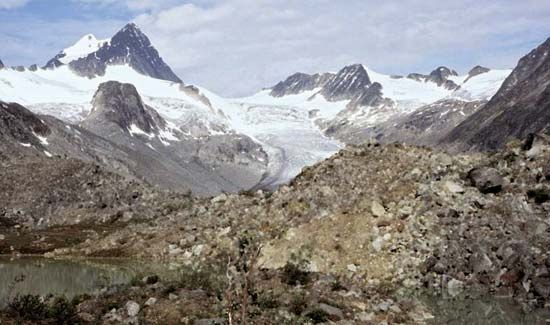
The highest peak in the Mackenzie Mountains is Keele Peak, which reaches an elevation of 9,751 feet (2,972 metres).
What is the highest peak in the Mackenzie Mountains and how tall is it?
The highest peak in the Mackenzie Mountains is Keele Peak, which reaches an elevation of 9,751 feet (2,972 metres).1
What role do the Mackenzie Mountains play in the watershed systems of northern Canada?
The Mackenzie Mountains serve as a critical drainage divide in northern Canada, acting as the watershed between the Mackenzie River basin to the east and the Yukon River basin to the west.2
These mountains are a significant source of water for the Mackenzie River system. Numerous rivers, such as the Redstone and Keele, originate in the range and flow eastward into the Mackenzie valley. These tributaries play a vital role in the river’s seasonal flow patterns; they typically experience peak discharge in June, driven by snowmelt in the high mountain elevations. Because the Mackenzie valley itself receives relatively low annual precipitation, the runoff from the Mackenzie Mountains is essential for maintaining the volume of the river system during the summer months.1
Are there any notable parks or protected areas within the Mackenzie Mountains?
The Mackenzie Mountains contain significant protected areas established to preserve the region’s wilderness and natural features:
- Nahanni National Park: Established in 1972 in the southern portion of the range, this park covers over 1.1 million acres. It is centered around the South Nahanni River and is renowned for its three large canyons, diverse wildlife, and unique flora. In 1978, it was designated a UNESCO World Heritage site.15
- Mackenzie Mountains Game Preserve: This area was established earlier, in 1938, to provide protection for the region’s wildlife.1
What types of flora and fauna can be found in the Mackenzie Mountains?
The Mackenzie Mountains support a variety of wildlife and vegetation, though specific species distribution is influenced by the region’s rugged relief and harsh northern climate.
Fauna
The mountains and their surrounding areas are home to several notable mammal species, including:
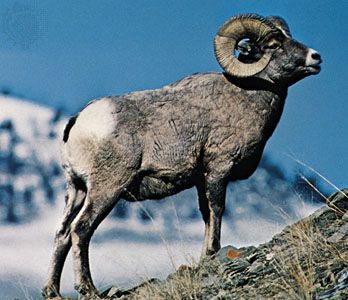
- Large Mammals: Moose, wolves, black bears, and grizzly bears are native to the region. The area also supports populations of mountain sheep and mountain goats.7
- Fur-bearing Animals: The region is known for valuable fur-bearing species, most notably muskrat and beaver.7
Flora
Vegetation in the broader region is dictated by the timberline and the transition between the boreal forest and the Arctic landscape.
- Forests: In more favorable conditions, such as the nearby Mackenzie Lowlands, forests consist of black and white spruce mixed with various deciduous species.7
- Seasonal Growth: Due to a short growing season—often limited to about 70 frost-free days—the region experiences a brief but vibrant period where wildflowers and grasses flourish.7
Sources
- Mackenzie Mountains — Encyclopædia Britannica
- Mackenzie River — Encyclopædia Britannica
- Mackenzie River - The lower course — Encyclopædia Britannica
- Mackenzie River - The upper course — Encyclopædia Britannica
- Nahanni National Park — Encyclopædia Britannica
- Nahanni National Park Reserve — Merriam-Webster
- Northwest Territories - Land — Encyclopædia Britannica
Published on · 2 min read