Manchineel
The manchineel (Hippomane mancinella) is widely considered one of the most dangerous trees in the world, and it is essential to avoid any contact with it.…
How does the manchineel tree affect humans if they come into contact with it?
The manchineel (Hippomane mancinella) is widely considered one of the most dangerous trees in the world, and it is essential to avoid any contact with it. Nearly all parts of the plant contain potent toxins.1
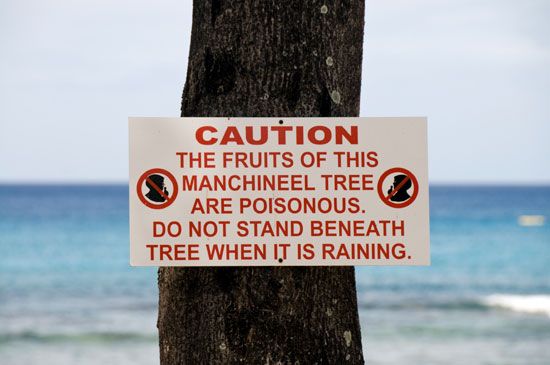
- Skin Contact: The tree’s milky sap contains phorbol, a chemical that causes severe allergic skin reactions and blistering upon contact. Even standing under the tree during rain can be hazardous, as raindrops collecting the sap can cause burns on the skin.1
- Ingestion: The tree produces sweet-scented, applelike fruits that are highly toxic. Consuming them is potentially lethal and typically results in painful, burnlike blisters throughout the mouth and esophagus.1
- Respiratory Irritation: Burning the wood of the tree releases smoke that can cause significant eye irritation.1
Historically, the sap has been used to poison arrows, a practice that may have led to the death of explorer Juan Ponce de León.1
What is a manchineel tree and where is it commonly found?
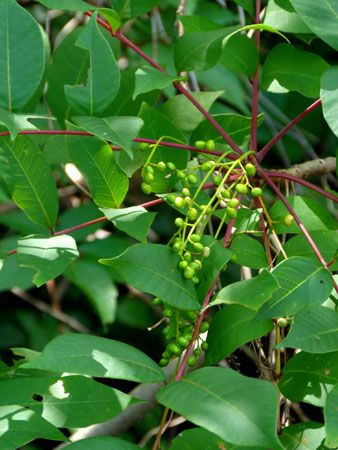
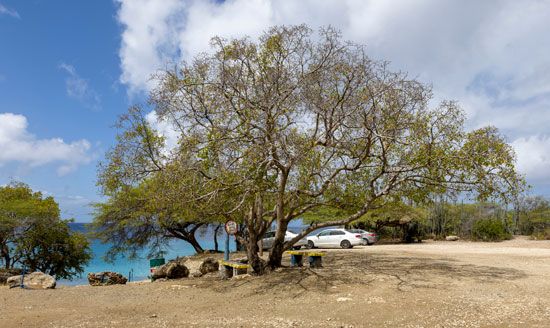
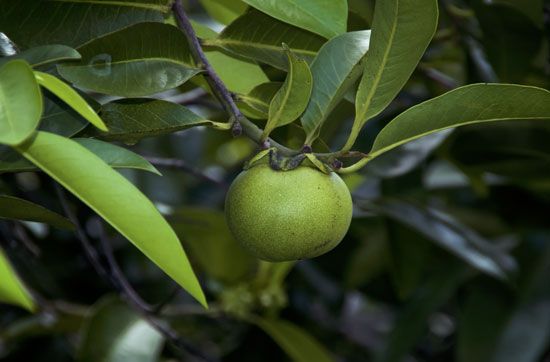
The manchineel (Hippomane mancinella) is a tree belonging to the spurge family that is widely recognized for its extreme toxicity. It is a round-crowned tree that can reach heights of up to 12 meters (40 feet) and is characterized by its lustrous, yellow-green leaves and apple-shaped fruits.11
The species is native primarily to the sandy beaches of the Caribbean and the Gulf of Mexico, including coastal areas of Florida.2
Every part of the manchineel is considered poisonous. Its milky sap contains phorbol, a chemical that causes severe skin blistering upon contact, while the fruit is highly toxic if ingested. Due to these dangerous properties, it is considered one of the world’s most hazardous plants.2
What are the specific toxic compounds found in the manchineel tree?
The manchineel tree is highly toxic because nearly all of its parts contain a complex mixture of poisonous substances.
The most prominent toxic compound identified in the tree’s milky sap—found in both the leaves and the bark—is phorbol. This chemical is a potent irritant responsible for severe allergic skin reactions, including painful blistering upon contact. Because phorbol is water-soluble, it can be washed from the leaves by rain, creating a hazardous “drip” that can burn the skin of anyone standing beneath the canopy.1
While phorbol is the primary identified irritant, the tree contains a variety of other toxins that make the ingestion of its applelike fruits potentially lethal, often causing severe internal blistering of the mouth and esophagus. Additionally, the smoke produced by burning the wood is known to cause significant eye irritation, further highlighting the plant’s dangerous chemical profile.1
Are there any historical or cultural references to the manchineel tree?
The manchineel tree has a significant history rooted in its deadly reputation. Its name is derived from the Spanish manzanilla (meaning “little apple”), a reference to its deceptive, sweet-scented fruit that has historically poisoned numerous shipwrecked sailors, Spanish conquistadors, and modern-day tourists.12
Culturally and historically, the tree is most notable for its use by Indigenous peoples, including the Carib Indians, who utilized the tree’s toxic milky sap to coat their arrows for hunting and defense. This practice is linked to one of the most famous historical accounts involving the plant: it is widely believed that the Spanish explorer Juan Ponce de León died from a wound inflicted by an arrow poisoned with manchineel sap during his second expedition to Florida.1
The tree’s notoriety has persisted for centuries, with its first recorded use in the English language dating back to 1630. Its status as one of the world’s most dangerous plants remains a cautionary tale for those traveling through its native coastal habitats.21
Sources
- manchineel — Encyclopædia Britannica
- manchineel — Merriam-Webster
Published on · 3 min read