Cowbane
Cowbane is a term used to describe several species of poisonous plants, most notably those within the parsley family (Apiaceae), which are particularly toxic…
What is cowbane?
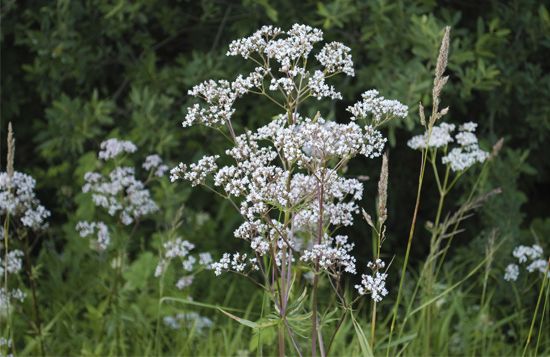
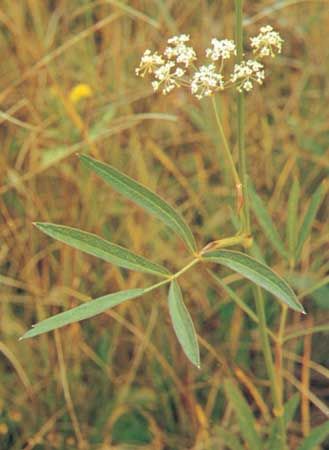
Cowbane is a term used to describe several species of poisonous plants, most notably those within the parsley family (Apiaceae), which are particularly toxic to cattle.12
These plants are widely distributed across North America and typically thrive in marshy environments. Botanically, they are characterized by clusters of white flowers surrounded by bracts, or modified leaves. While the name is frequently applied to seven species of the genus Oxypolis—such as O. rigidior, also known as water-dropwort—it is also used to refer to various species of Cicuta, which are more commonly known as water hemlock.12
Because these plants contain potent toxins, they pose a significant risk to livestock and other animals that may ingest them.13
What are some other common poisonous plants found in North America?
North America is home to a variety of poisonous plants, which can be categorized by how they cause harm, such as through ingestion or skin contact.
Plants Poisonous to Eat
Many plants contain toxic compounds that can be fatal if consumed. Notable examples include:
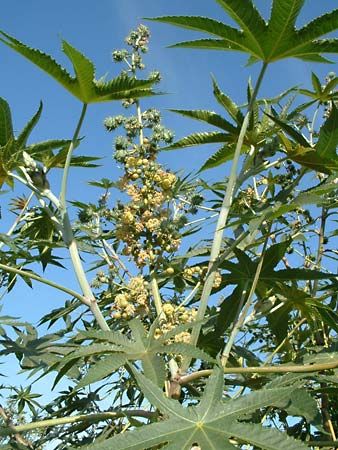
- Castor bean: Contains ricin, a highly toxic protein that inhibits protein synthesis; even a few seeds can be lethal.24
- Poison hemlock: Contains alkaloids like coniine, which can cause respiratory paralysis and death.2
- Larkspur: A significant cause of death in grazing livestock due to its toxic alkaloids.2
- White snakeroot: Contains trematol; it is dangerous because the toxin can be passed to humans through the milk or meat of livestock that have grazed on the plant.4
- Foxglove: Contains cardiac glycosides that can lead to irregular heartbeats and death.2
Plants Poisonous by Contact
Some plants cause severe skin irritation or inflammation, known as contact dermatitis, upon touch:
- Poison ivy: Contains urushiol, a resinous juice that causes painful, itchy blistering.25
- Poison sumac: Also contains urushiol and is considered even more allergenic than poison ivy.6
- Poisonwood: Found in Florida and the West Indies, its sap can cause severe rashes and temporary blindness if smoke from the burning plant is inhaled.2
We could dive deeper into the specific chemical mechanisms, such as how alkaloids or glycosides affect the human body, if you are interested.
How do botanists classify plants as poisonous or non-poisonous?
Botanists and scientists study plant poisons through a field known as phytotoxicology. While several systems exist to classify poisonous plants, none are considered entirely satisfactory. Botanists may categorize these plants based on their phylogenetic relationships, their botanical characteristics, or the chemical nature of their toxic constituents, such as alkaloids, glycosides, or toxalbumins.2
A widely utilized classification system organizes plants according to their specific toxic effects on organisms:
- Plants poisonous to eat: Species that cause internal harm or systemic failure upon ingestion, such as water hemlock or castor bean.2
- Plants poisonous upon contact: Species that cause skin irritation, blistering, or inflammation, such as poison ivy.2
- Plants that produce photosensitization: Species that, when ingested, cause an animal’s skin to become hypersensitive to sunlight, leading to severe reactions.2
- Plants that produce airborne allergies: Species that release substances causing respiratory issues like hay fever or contact dermatitis.2
Additionally, plants can become toxic due to environmental factors, such as the accumulation of inorganic minerals like selenium or nitrates from the soil.2
What is the difference between a plant that is poisonous to eat and one that is poisonous to touch?
The primary difference between plants that are poisonous to eat and those that are poisonous to touch lies in the mechanism of exposure and the physiological reaction they trigger.
Plants Poisonous to Eat
These plants contain toxic chemical constituents—such as alkaloids, glycosides, or toxalbumins—that cause internal harm or systemic failure when ingested. The toxins are often metabolized by the digestive system, leading to symptoms that can range from gastrointestinal distress to severe neurological impairment, organ failure, or death. For example, the castor bean contains ricin, a highly toxic protein that inhibits protein synthesis, while water hemlock contains cicutoxin, which can cause fatal convulsions.2
Plants Poisonous to Touch
These plants cause harm through external contact, typically resulting in skin inflammation, blistering, or irritation known as contact dermatitis. This reaction is often triggered by resins or irritants present on the plant’s surface or within its sap.269
- Chemical Irritants: Plants like poison ivy contain urushiol, a resinous juice that triggers an allergic skin reaction upon contact.69
- Mechanical Irritants: Some plants, such as stinging nettle, possess needle-like hairs that inject stinging acids or other irritants directly into the skin.9
While some plants are strictly one or the other, others can be dangerous in both ways; for instance, the manchineel tree is toxic if eaten and can cause severe skin blistering upon touch.9
Sources
- cowbane — Encyclopædia Britannica
- poison - Plant poisons (phytotoxins) — Encyclopædia Britannica
- cowbane — Merriam-Webster
- water hemlock — Merriam-Webster
- poison sumac — Encyclopædia Britannica
- poison ivy — Encyclopædia Britannica
- 7 of the World’s Deadliest Plants — Encyclopædia Britannica
- Ethnobotany — Encyclopædia Britannica
- 7 Dangerous Plants You Should Never Touch — Encyclopædia Britannica
- insecticide - Modes of penetration — Encyclopædia Britannica
Published on · 4 min read