Reed
The term "reed" generally refers to various species of large, aquatic grasses, most notably those within the genus Phragmites of the Poaceae family. While…
What are the defining characteristics of reed plants?
The term “reed” generally refers to various species of large, aquatic grasses, most notably those within the genus Phragmites of the Poaceae family. While definitions can vary, these plants typically share several defining characteristics:1
- Habitat: They are primarily aquatic or wetland plants, commonly found along the margins of lakes, marshes, fens, and streams.12
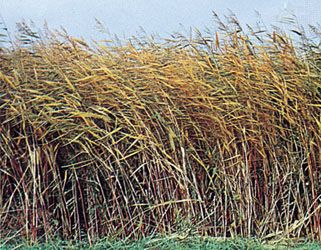
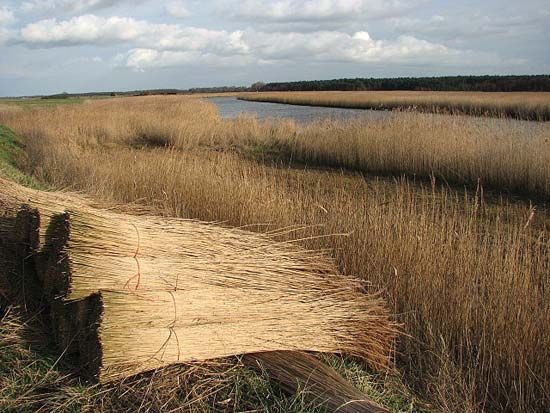
- Physical Structure: Reeds are characterized by their tall, stiff, and often smooth, canelike stems. They are typically broad-leafed and can reach significant heights, ranging from 1.5 to 7 meters (5 to 23 feet) depending on the species.12
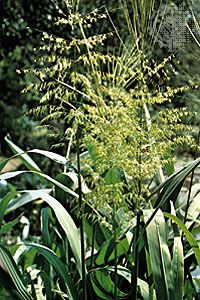
- Inflorescence: Many reeds are recognized by their distinct, feathery flower clusters or plumes.12
- Growth Habit: Many species, such as the giant reed, spread aggressively through underground stems known as rhizomes, often forming dense clumps or vast monocultures.2
It is important to note that the term is sometimes applied to plants in other families, such as bur reed (Sparganium) and reed mace (Typha), which are distinct from the grass family.1
What are some common species of reed plants and how do they differ?
While the term “reed” is often used broadly, it primarily refers to large aquatic grasses in the Poaceae family, though it is also applied to plants in other families. These species differ in their physical structure, growth habits, and ecological roles.
Common Species and Differences
- Common Reed (Phragmites australis): A widely distributed grass found from the Arctic to the tropics. It grows 1.5 to 5 meters tall with stiff, smooth stems and feathery flower clusters. It spreads aggressively via underground rhizomes, often forming dense monocultures in wetlands.12
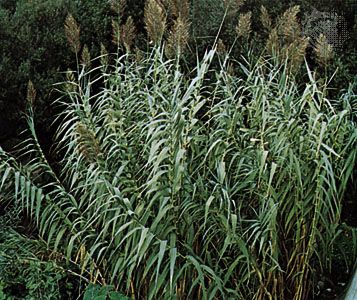
- Giant Reed (Arundo donax): A tall, perennial grass reaching up to 7 meters. It features thick, canelike stems and is known for its use in woodwind instrument reeds. Unlike some native species, it is considered an invasive species in many regions outside its native Asia.3
- Bur Reed (Sparganium): A member of the Sparganiaceae family, these plants are distinct from true grasses. They are characterized by spherical flower heads and stems that arise from creeping rootstocks, typically projecting above the water.14
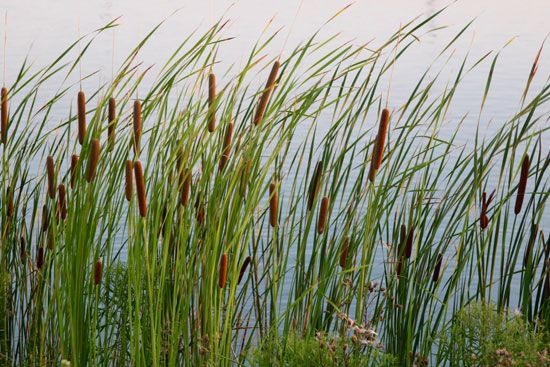
- Cattail (Typha): Also known as reed mace, these belong to the Typhaceae family. They are easily identified by their unique flowering spike, which is divided into a slender, yellow upper portion (male flowers) and a stout, brown lower portion (female flowers).14
How have reed plants been used by humans throughout history?
For millennia, humans have utilized reed plants for a wide variety of practical and cultural purposes, leveraging their structural properties and versatility.
Construction and Craft
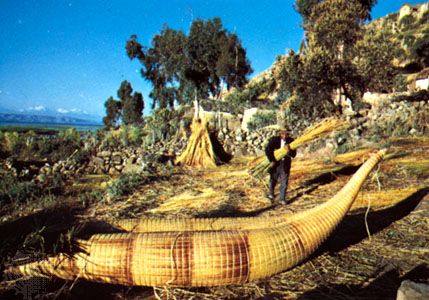
Dried reed stems have long served as essential materials for thatching and general construction, providing durable shelter. Their strength and flexibility also make them ideal for basketry, as well as for weaving mats, screens, and lattices. In some regions, the straplike leaves of the giant reed are specifically used to manufacture mats.136
Tools and Writing
Reeds have played a significant role in the history of communication and daily utility:
- Writing Instruments: The reed pen was a standard tool in the Greco-Roman world, following the earlier use of slender rushes by Egyptians.5
- Papyrus: The papyrus reed was foundational to ancient administration, used to create the surfaces upon which much of the Roman Empire’s records were kept.5
- Weaponry: Stems have historically been fashioned into arrow shafts.13
Music
The woody, tubelike stems of various reeds are integral to musical history. They are used to craft flutes and organ pipes, and they remain the primary source for the reeds required for woodwind instruments.16
What adaptations do reed plants have to survive in wetland environments?
Reed plants have evolved specialized adaptations that allow them to thrive in the saturated, often oxygen-poor soils of wetland environments.
A primary adaptation is the development of aerenchyma, a specialized plant tissue characterized by large, internal air spaces. This tissue facilitates the exchange of gases between the plant’s shoots and its submerged roots, ensuring that oxygen can reach tissues buried in waterlogged soil where it would otherwise be unavailable. Additionally, aerenchyma helps maintain buoyancy, allowing the plants to remain upright in aquatic habitats.1
Furthermore, many reed species, such as the common reed (Phragmites australis) and giant reed (Arundo donax), utilize aggressive growth strategies to dominate their surroundings. They spread rapidly through extensive underground stems known as rhizomes, which allow them to colonize new areas, stabilize soil, and form dense, resilient monocultures that can withstand fluctuating water levels.43
Sources
- reed — Encyclopædia Britannica
- Poales — Encyclopædia Britannica
- giant reed — Encyclopædia Britannica
- reedfish — Encyclopædia Britannica
- common reed — Merriam-Webster
- giant reed — Merriam-Webster
- paleography - Types of writing materials — Encyclopædia Britannica
- Respiratory system - Gills of invertebrates — Encyclopædia Britannica
- aerenchyma — Merriam-Webster
Published on · 4 min read