Maritsa River
The Maritsa River has a total length of approximately 295 miles (476 km). This is calculated by combining its 170-mile (275 km) course through Bulgaria, the…
How long is the Maritsa River, and what are its major tributaries?
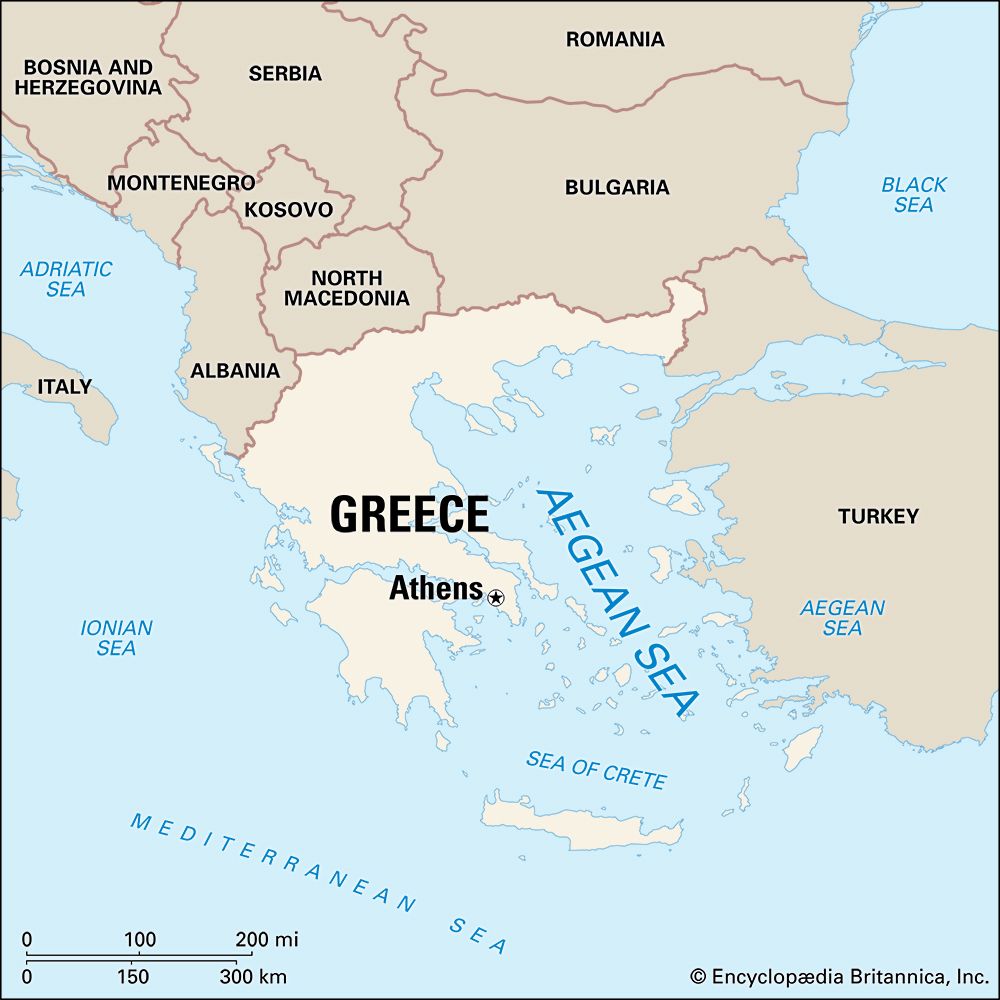
The Maritsa River has a total length of approximately 295 miles (476 km). This is calculated by combining its 170-mile (275 km) course through Bulgaria, the 10-mile (16 km) stretch forming the Bulgaria–Greece border, and the 115-mile (185 km) section that serves as the Greece–Turkey frontier.1
The river’s major tributaries include:
These tributaries are significant to the region, as several large hydroelectric and irrigation projects have been developed along them to support the fertile valley’s agricultural output.1
Where does the Maritsa River originate, and through which countries does it flow?
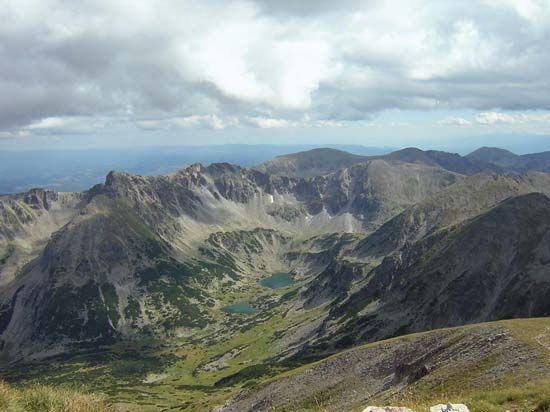
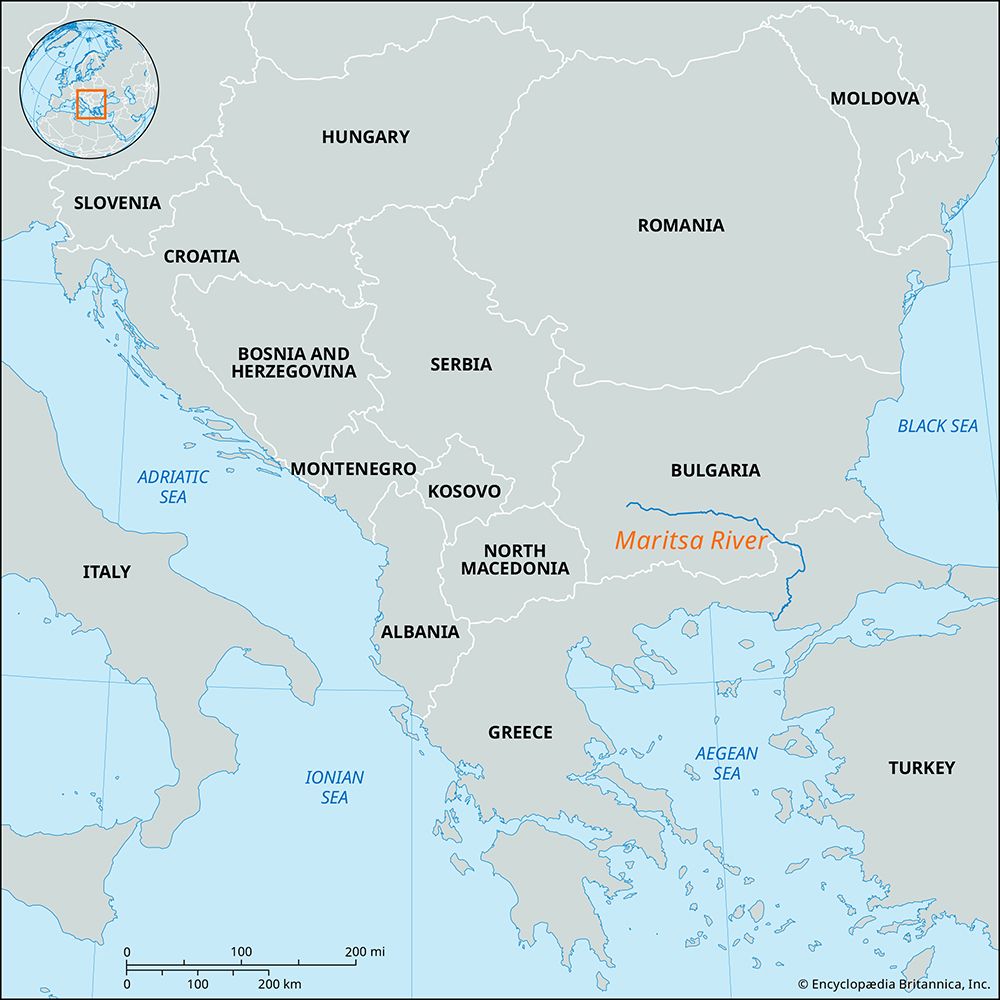
The Maritsa River originates in the Rila Mountains of Bulgaria, specifically on the north face of Musala Peak, southeast of Sofia.1
The river flows through three countries:
- Bulgaria: It travels east and southeast across the country for 170 miles (275 km).1
- Greece: It forms the border between Bulgaria and Greece for 10 miles (16 km) and subsequently serves as the frontier between Greece and Turkey for 115 miles (185 km).1
- Turkey: The river flows along the border with Greece before turning south and southwest near Edirne to eventually empty into the Aegean Sea.1
What role does the Maritsa River play in agriculture and industry in the region?
The Maritsa River plays a vital role in the regional economy, primarily through its support of agriculture and infrastructure.
Agriculture
The river’s fertile valley is highly productive, supporting extensive fruit and vegetable cultivation, much of which is destined for export. Additionally, the valley of its major tributary, the Arda River, is well-known for its tobacco production.12
Industry and Infrastructure
The Maritsa River valley serves as a critical transportation corridor, forming part of the route for the Sofia–Istanbul railway. Furthermore, the river system is essential for energy and water management:1
- Hydroelectric Power: Several large hydroelectric schemes have been developed along the Maritsa’s tributaries.1
- Irrigation: Large-scale irrigation projects utilize the river’s water to sustain agricultural output. Specifically, the Arda River features some of the largest hydroelectric and irrigation dams in Bulgaria.12
- Mining: The upper valley of the Arda is home to significant mining towns, including Smolyan, Madan, and Rudozem.2
What is the historical significance of the Maritsa River in European history?
The Maritsa River holds significant historical importance as a strategic gateway into the central Balkans. Its valley served as a critical corridor for the expansion of the Ottoman Empire into Europe during the 14th century.13
The most pivotal historical event associated with the river is the Battle of the Maritsa River, which took place on September 26, 1371. During this conflict, a coalition of Christian forces led by the Serbian king Vukašin attempted to halt Ottoman advancement. However, they were decisively defeated by a smaller Ottoman force near Chernomen.3
The consequences of this battle were profound:
- Territorial Control: The victory allowed the Ottomans to solidify their hold on the Maritsa valley and extend their influence over southern Serbia and Macedonia.3
- Political Shifts: The defeat forced Bulgaria to remain a vassal state and effectively destroyed the independent South Serbian kingdom.3
- Long-term Impact: By opening the path into the central Balkans, the battle exposed the entire peninsula to further Ottoman conquest, fundamentally altering the region’s political landscape for centuries.3
Sources
- Maritsa River — Encyclopædia Britannica
- Arda River — Encyclopædia Britannica
- Battle of the Maritsa River — Encyclopædia Britannica
Published on · 3 min read