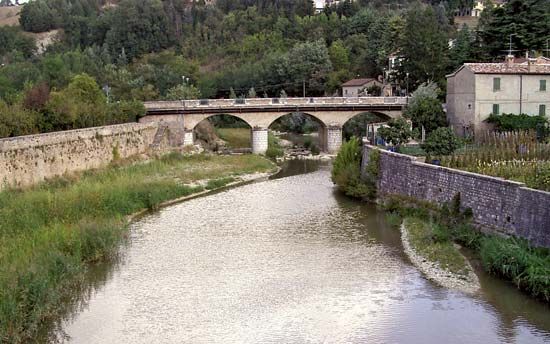
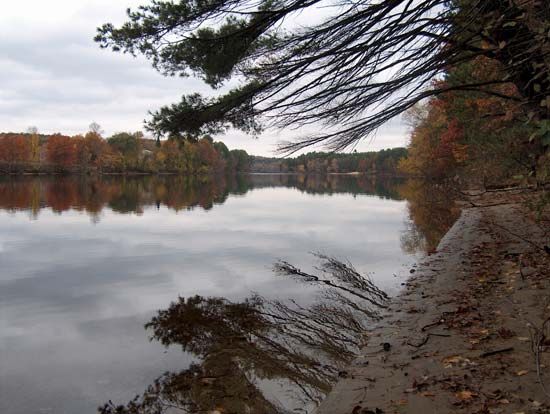
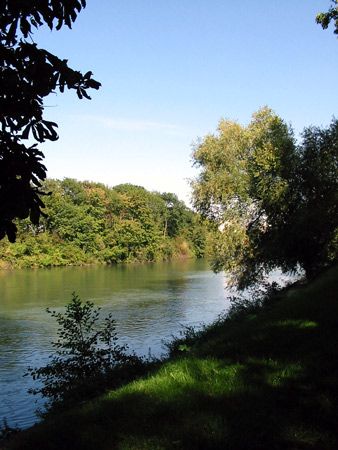
Marne River
The Marne River in northern France is 326 miles (525 km) long.
How long is the Marne River and what is its average depth?
The Marne River in northern France is 326 miles (525 km) long.1
Regarding your question about its average depth, the provided information does not contain data on the river’s depth.
What is the historical significance of the Marne River in World War I?
The Marne River was the site of two pivotal conflicts during World War I that significantly shaped the course of the war on the Western Front.
The First Battle of the Marne (1914)
Occurring from September 6–12, 1914, this offensive by the French army and the British Expeditionary Force halted the German advance when they were within 30 miles of Paris advance when they were within 30 miles of Paris. By forcing a German retreat, the Allies thwarted plans for a quick German victory and saved the capital city. This strategic victory boosted French morale but also marked the beginning of trench warfare as both sides settled into a stalemate.32
The Second Battle of the Marne (1918)
Taking place from July 15–18, 1918, this was the final large German offensive of the war. Although German troops managed to cross the river at several points, they were met with unexpected resistance from French, British, American, and Italian units. The subsequent Allied counteroffensive proved decisive in shifting the balance of power against the exhausted German army, leading to their retreat.3
What role did the Marne River play in the development of the Champagne wine region?
The Marne River plays a significant role in the geography and economy of the Champagne region, which is world-renowned for its wine production.
The river valley is a defining feature of the region’s landscape, characterized by undulating terrain that supports extensive vineyards. In the historical “Dry Champagne” area, where farming was traditionally difficult on the chalky plains, the river valleys provided the essential conditions for successful cultivation. Today, the industry remains concentrated around towns like Épernay and Reims, where the production of champagne is a major economic driver and employer.
Beyond direct viticulture, the river has supported the infrastructure necessary for the region’s prosperity. The champagne industry is bolstered by local chemical, glass, packaging, and printing sectors that have developed specifically to meet the needs of wine producers. Furthermore, the river’s valley has historically served as a vital corridor for trade and transport, contributing to the region’s long-standing status as a commercial and agricultural hub.
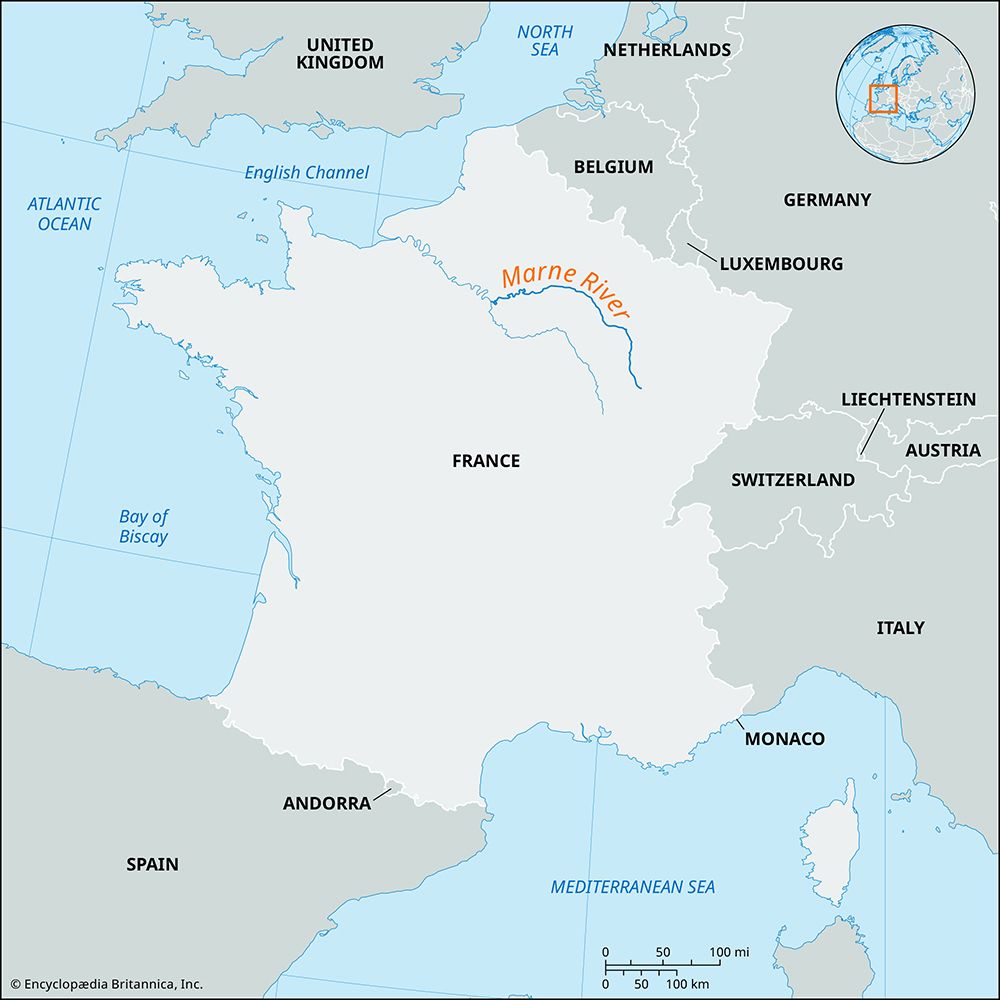
Where is the Marne River located in France, and what are its major tributaries?
The Marne River is located in northern France. It rises on the Langres Plateau, approximately 4.5 miles south of Langres, and flows for 326 miles (525 km) in a north-northwesterly and then westerly direction. The river meanders through various landscapes, including wine-growing and grain-growing regions, before eventually joining the Seine River at Charenton, a suburb of Paris.17
Regarding your inquiry about the river’s major tributaries, the provided search results do not contain information identifying the specific tributaries of the Marne River.
Sources
- Marne River — Encyclopædia Britannica
- Second Battle of the Marne — Encyclopædia Britannica
- First Battle of the Marne — Encyclopædia Britannica
- World War I - The First Battle of the Marne — Encyclopædia Britannica
- Champagne — Encyclopædia Britannica
- Champagne-Ardenne — Encyclopædia Britannica
- Marne — Merriam-Webster
Published on · 2 min read