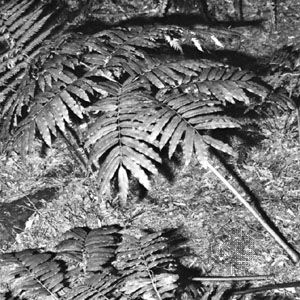
Marsileaceae
Marsileaceae is the sole family within the fern order Marsileales, consisting of approximately 70 species of aquatic and semi-aquatic plants found nearly…
What is Marsileaceae?
Marsileaceae is the sole family within the fern order Marsileales, consisting of approximately 70 species of aquatic and semi-aquatic plants found nearly worldwide. Unlike most ferns, these plants are heterosporous, meaning they produce two distinct types of spores: large megaspores and small microspores, both of which are contained within specialized, hardened structures called sporocarps.123
The family includes three genera:
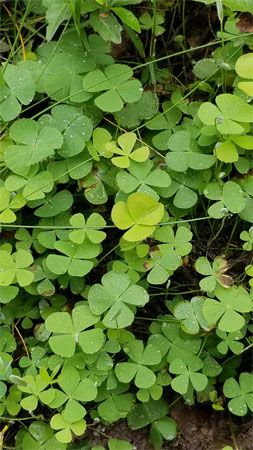
- Marsilea: Known as water clover, these plants feature four-leaflet leaves and are widely distributed. Their sporocarps are remarkably resilient, with some remaining viable for over 100 years.1
- Pilularia: Commonly called pillwort, these plants possess threadlike leaves without leaflets.1
- Regnellidium: A genus with a single species characterized by two-leaflet leaves, restricted to parts of Brazil and Argentina.1
Because of their appearance, members of this family are frequently mistaken for flowering plants such as clovers.1
How do sporocarps protect fern spores for so long?
The remarkable longevity of fern spores within the family Marsileaceae is primarily due to the protective nature of the sporocarp. Unlike the thin-walled, short-lived spores found in many other fern species, the sporocarps of water ferns like Marsilea act as hardened, durable cases that enclose the sporangia.45
These sporocarps provide a robust physical barrier that shields the spores from environmental stressors, allowing them to remain viable for extended periods—in some documented cases, for more than 100 years. While most fern spores are released into the environment and require immediate, specific conditions to germinate, the sporocarp serves as a specialized survival structure that preserves the spores until favorable conditions for growth arise.456
This adaptation is particularly significant for aquatic and semi-aquatic ferns that inhabit regions where water availability may be intermittent, enabling the plants to persist through long dry spells and successfully reproduce when moisture returns.6
What are the main differences between homosporous and heterosporous plants?
The primary distinction between homosporous and heterosporous plants lies in the number and type of spores they produce, which fundamentally shapes their reproductive strategies and life cycles.
Homosporous Plants
Homospory is characterized by the production of a single type of spore that is morphologically and physiologically identical. These spores typically germinate to produce bisexual gametophytes that bear both male and female sex organs. While this system is effective for long-distance dispersal, it often relies on mechanisms to prevent self-fertilization, and because gametophytes remain exposed to the environment for extended periods, they experience relatively high mortality rates. Most bryophytes and many ferns exhibit this life history.10118
Heterosporous Plants
Heterospory involves the production of two distinct types of spores from specialized sporangia:1211
- Microspores: Smaller spores that develop into male gametophytes (microgametophytes)11.11
- Megaspores: Larger spores that develop into female gametophytes (megagametophytes).1211
This condition, found in all seed plants and some pteridophytes, promotes obligate cross-fertilization, which increases genetic recombination. Furthermore, because these gametophytes develop rapidly within the protective spore wall, heterosporous plants generally experience reduced mortality compared to their homosporous counterparts.1211
Why are Marsileaceae often mistaken for clover plants?
Members of the Marsileaceae family are frequently mistaken for clovers primarily due to the physical appearance of their leaves. Specifically, the genus Marsilea—often referred to as water clover—possesses distinct leaves composed of four leaflets that closely resemble those of a true clover plant.116
While these plants are actually ferns that grow in mud or shallow water, their morphology leads to this common confusion with flowering plants. Unlike true clovers, however, Marsilea reproduces via spores contained within specialized, hardened structures known as sporocarps rather than through flowers or seeds.1
Sources
- Marsileaceae — Encyclopædia Britannica
- Marsileaceae — Merriam-Webster
- lower vascular plant - Reproduction — Encyclopædia Britannica
- fern - Wall — Encyclopædia Britannica
- fern - Ecology — Encyclopædia Britannica
- water fern — Encyclopædia Britannica
- fern - The sporangium — Encyclopædia Britannica
- plant reproductive system - Ferns — Encyclopædia Britannica
- fern - Size — Encyclopædia Britannica
- plant - Homosporous life histories — Encyclopædia Britannica
- plant - Heterosporous life histories — Encyclopædia Britannica
- spore — Encyclopædia Britannica
- plant - Evolution of land plants from the Ordovician Period through the middle Devonian — Encyclopædia Britannica
- heterospory — Merriam-Webster
- Heterosporeae — Merriam-Webster
- Marsilea — Merriam-Webster
- clover fern — Merriam-Webster
Published on · 3 min read