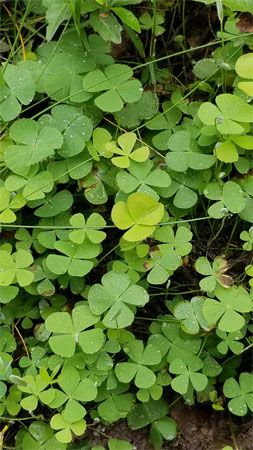
Metaxyaceae
The Metaxyaceae is a small family of ferns classified within the division Pteridophyta, which encompasses the lower vascular plants. The family consists of a…
What is the evolutionary history and taxonomic placement of Metaxyaceae within the plant kingdom?
The Metaxyaceae is a small family of ferns classified within the division Pteridophyta, which encompasses the lower vascular plants. The family consists of a single genus, Metaxya, which includes two species: M. rostrata and M. lanosa.1
Regarding its evolutionary placement, molecular studies analyzing gene sequences among tree ferns indicate that Metaxyaceae should be categorized as a primitive relative of the Cyatheaceae family. While the broader evolutionary origins of fern vegetative organs remain a subject of scientific debate—with theories such as the telome and enation hypotheses attempting to explain the development of leaves and stems—the specific lineage of Metaxyaceae is distinguished by its unique morphological traits, such as a stout, hairy rhizome that lacks scales.12
What are the defining characteristics of the Metaxyaceae plant family?
The Metaxyaceae is a small family of ferns within the Pteridophyta division, consisting of a single genus, Metaxya, which includes two species: M. rostrata and M. lanosa.1
Key defining characteristics of this family include:
- Rhizome Structure: The plants possess a stout, creeping rhizome that is densely covered in hairs but notably lacks scales.1
- Foliage: The leaves can grow up to 2.5 meters (8 feet) long and are pinnately compound, featuring large leaflets with numerous parallel secondary veins.1
- Reproductive Features: The sori are round and scattered along the veins. They are distinct for lacking an indusium, which is the protective flap of tissue found in many other ferns.1
- Spores: The spores are globose (tetrahedral) and characterized by a granular surface.1
Molecular research suggests that this family serves as a primitive relative to the Cyatheaceae (tree ferns).1
How do Metaxyaceae plants reproduce and disperse their seeds?
It is inaccurate to state that Metaxyaceae plants reproduce and disperse seeds, as they are ferns and do not produce seeds. Like all ferns, they reproduce via spores.13
The reproductive process for Metaxya involves the following stages:
- Spore Production: The plants produce spores within sporangia clustered in round sori on the undersurfaces of their fronds. Unlike many other ferns, these sori lack a protective flap of tissue known as an indusium.13
- Dispersal: Once mature, the spores are released into the environment. While the specific mechanism for Metaxya is not detailed, most ferns disperse spores through the explosive opening and closing of sporangia, which ejects the spores into the air to be carried by wind.3
- Gametophyte Development: If spores land in suitable environmental conditions, they germinate and develop into a gametophytic phase, known as a prothallus. This small, independent structure typically produces both male and female sex organs to facilitate fertilization and the growth of a new sporophyte.3
Are there any unique adaptations or features that distinguish Metaxyaceae from other plant families?
The Metaxyaceae family is distinguished by several unique morphological features that set it apart from other fern families, particularly its close relatives, the tree ferns.
Key distinguishing characteristics include:
- Rhizome Morphology: Unlike many other ferns that possess scales, the stout, creeping rhizome of Metaxya is characterized by being densely covered in hairs, with a total absence of scales.1
- Soral Structure: The sori are round and scattered along the veins. A defining feature is the complete lack of an indusium, the protective tissue flap commonly found in many other vascular plants within the Pteridophyta division.1
- Evolutionary Position: Molecular studies indicate that Metaxyaceae serves as a primitive relative to the Cyatheaceae. This evolutionary placement highlights its role as a transitional or ancestral form within the broader group of tree ferns.1
- Spore Characteristics: The spores are distinctively globose (tetrahedral) and feature a granular surface, providing a specific diagnostic trait for the family.1
Sources
- Metaxyaceae — Encyclopædia Britannica
- fern - Evolutionary development — Encyclopædia Britannica
- plant reproductive system - Ferns — Encyclopædia Britannica
Published on · 3 min read