Matoniaceae
Matoniaceae is a family of ferns that originated during the Mesozoic Era. These plants are characterized by their fan-shaped leaves, which are either lobed…
What is Matoniaceae?
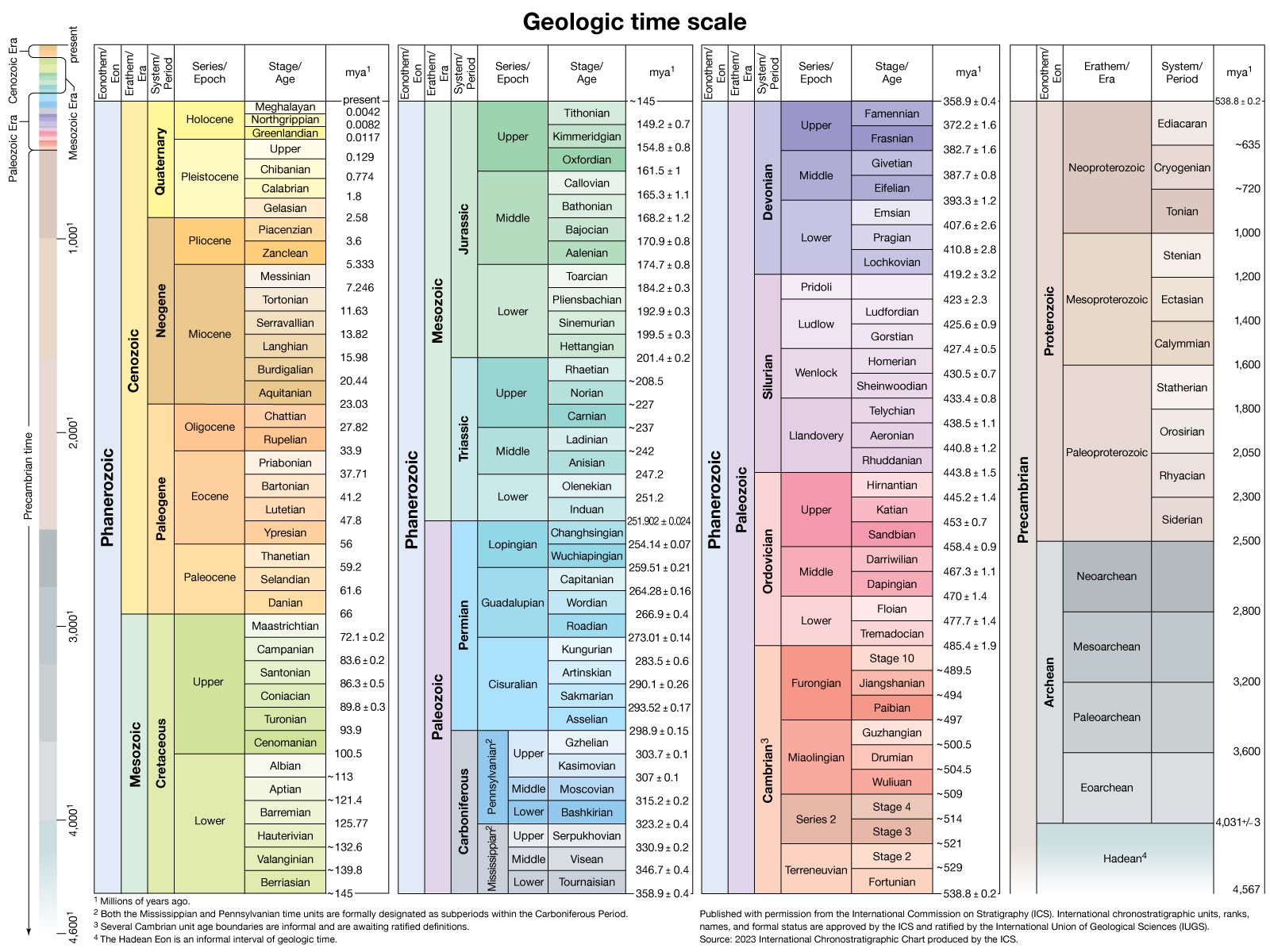
Matoniaceae is a family of ferns that originated during the Mesozoic Era. These plants are characterized by their fan-shaped leaves, which are either lobed in narrow segments or possess long midribs that facilitate a climbing habit. A defining feature of the family is the presence of an umbrella-shaped, membranous covering that protects the clusters of spore-bearing structures, known as sori.1
While the family was once widespread throughout the tropics, its distribution is now restricted to the Malayan region. Today, the family consists of only two genera: Matonia and Phanerosorus, each containing two species. These ferns are typically found in specific environments, including limestone areas, mountain summits, and open ridgetops at higher elevations.1
What are the key differences between Matonia and Phanerosorus?
The provided information confirms that both Matonia and Phanerosorus belong to the family Matoniaceae, which dates back to the Mesozoic Era. Each genus consists of two species and shares common characteristics, such as fan-shaped leaves and an umbrella-shaped covering over their spore-bearing structures.1
Beyond these shared traits, the available data does not provide specific morphological or ecological differences between the two genera. Both are currently restricted to the Malayan region and occupy similar habitats, including mountain summits, open ridgetops, and limestone areas.1
How do ferns reproduce using sori and sporangia?
Ferns reproduce through a complex life cycle that alternates between a spore-producing phase and a sexual phase. The process relies on specialized structures known as sporangia and sori.23
The Role of Sporangia and Sori
- Sporangia: These are the spore-producing cases found on the fronds (leaves) of the fern. In most ferns, these are small, stalked structures called leptosporangia, which have thin, single-layered walls.24
- Sori: A sorus is a cluster of sporangia that develops on a receptacle, typically on the underside of the leaf. These clusters are often protected by a specialized outgrowth called an indusium, or sometimes by the rolled-over margin of the leaf.354
Spore Release and Development
As sporangia mature, they facilitate the dispersal of spores. In many species, the sporangia feature an annulus—a row of thickened cells that acts as a mechanical spring. As the sporangia dry, the annulus creates tension, eventually snapping open to launch the spores into the air.4
Once released, spores that land in suitable environments germinate to form the gametophyte (or prothallium), a tiny, often heart-shaped sexual plant. The gametophyte produces male and female sex organs, leading to fertilization and the growth of a new, independent sporophyte plant.23
What are some other types of ferns that date back to the Mesozoic Era?
Several fern families were well established by the Triassic Period, marking their presence during the Mesozoic Era. In addition to Matoniaceae, the fossil record identifies the following families as having roots in this era:
- Osmundaceae: Known as the royal fern family, this primitive group includes genera such as Osmunda, Todea, and Leptopteris. Its history extends back to the late Permian Period, predating the Mesozoic.67
- Equisetaceae: A group with a long evolutionary history that was already established by the Triassic.6
- Marattiaceae: Another ancient family that appears in the fossil record alongside other early fern groups.6
- Schizaeaceae: This family also shows a well-documented presence by the Triassic.6
- Dipteridaceae: A family that was established during the early stages of the Mesozoic.6
- Cyatheaceae and Dicksoniaceae: These families, which include many tree ferns, have a fossil record stretching back to the Triassic, with significant diversification occurring through the Jurassic and Cretaceous periods.68
- Marsileaceae and Salviniaceae: These families are also noted in the fossil record as being established by the Triassic.6
Sources
- Matoniaceae — Encyclopædia Britannica
- fern - Life cycle — Encyclopædia Britannica
- plant reproductive system - Ferns — Encyclopædia Britannica
- fern - The sporangium — Encyclopædia Britannica
- fern - The sorus — Encyclopædia Britannica
- fern - Fossil record — Encyclopædia Britannica
- Osmundaceae — Merriam-Webster
- tree fern — Encyclopædia Britannica
- Osmundaceae — Encyclopædia Britannica
Published on · 3 min read