Marattiaceae
The provided search results do not contain information regarding the specific ecological roles of Marattiaceae ferns, such as their interactions with other…
What role do Marattiaceae ferns play in their ecosystems?
The provided search results do not contain information regarding the specific ecological roles of Marattiaceae ferns, such as their interactions with other organisms or their contributions to habitat structure.
The available data focuses on their classification as a primitive family of ferns, their physical characteristics—such as their stout stems and exceptionally large fronds—and their reproductive structures, known as sporangia or synangia.12
How have Marattiaceae ferns evolved over time and what is their fossil record like?
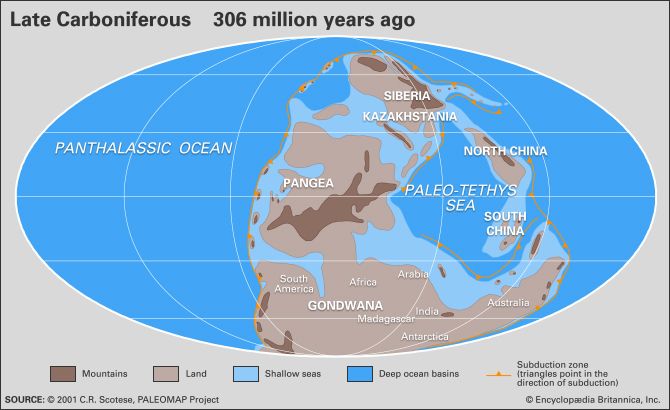
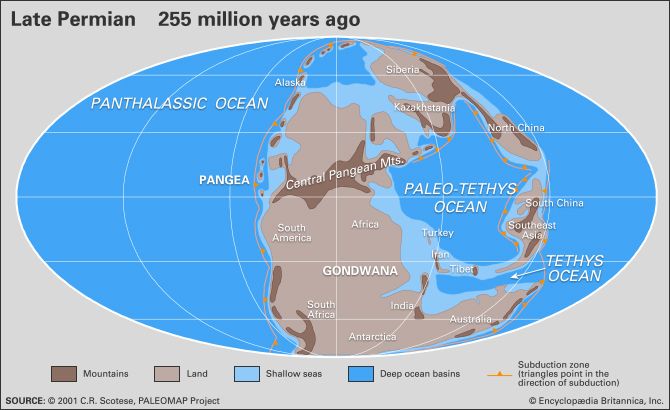
The Marattiaceae family is widely recognized as one of the most primitive extant groups of ferns, belonging to the order Marattiales. Their evolutionary history is deeply rooted in the Paleozoic Era, with the extinct genus Psaronius—which thrived from the Carboniferous Period through the Permian Period—often classified as a member of or a close relative to the family.1
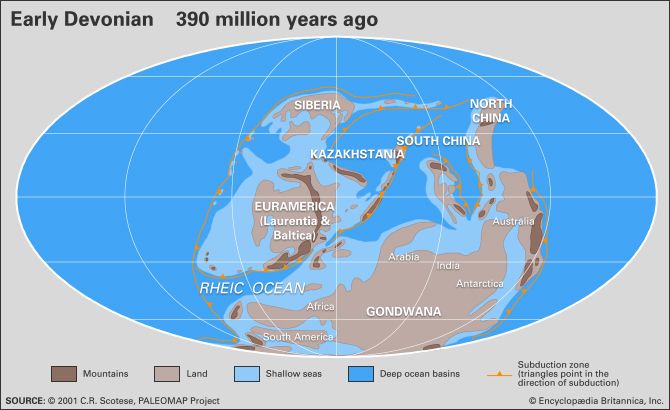
The fossil record indicates that the earliest true ferns emerged during the Carboniferous or possibly the Devonian Period. While many fern-like groups from the Carboniferous are now extinct, Marattiaceae is one of the few families that can be traced back to these ancient times. By the Triassic Period, the family was already well established. Despite their ancient lineage, there is a notable lack of intermediate fossil examples connecting them to other modern fern families, reflecting their distinct evolutionary line.3
What is the geographical distribution of Marattiaceae ferns?
The Marattiaceae family, which comprises approximately 150 modern species across six genera, is distributed throughout tropical and subtropical regions globally.1
Unlike many other fern families that are found in both tropical and temperate zones, Marattiaceae is considered almost exclusively tropical in its distribution. These ferns are a prominent example of plant groups that thrive in the warm, humid conditions characteristic of these climates.41
What is the Marattiaceae family and what are its main characteristics?
The Marattiaceae family, also known as the giant fern family, is the sole representative of the order Marattiales and is widely considered one of the most primitive extant groups of ferns. It consists of six genera and approximately 150 species found primarily in tropical and subtropical regions.1
Main Characteristics
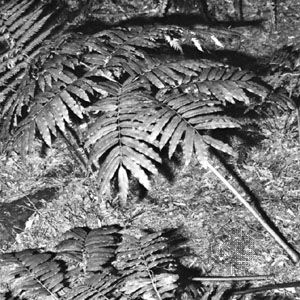
- Physical Structure: These are large ferns characterized by stout, erect stems and often gigantic fronds. For example, the species Angiopteris evecta can produce leaves reaching 7–9 meters (23–30 feet) in length. They also feature thick stipules.12
- Sporangia: The family is eusporangiate, meaning their spore-producing structures develop from a group of cells. These sporangia are located on the underside of the leaves and are used to distinguish the genera:12
- Angiopteris possesses separate sporangia.
- Marattia, Ptisana, and Eupodium feature sporangia united in clusters called synangia.
- Danaea has single synangia, while Christensenia features circular synangia and distinct palmately compound leaves.1
Sources
- Marattiaceae — Encyclopædia Britannica
- Marattiaceae — Merriam-Webster
- fern - Fossil record — Encyclopædia Britannica
- fern - Distribution and abundance — Encyclopædia Britannica
Published on · 2 min read