Martinique
Sorry, the Britannica knowledge base does not contain specific information regarding the climate of Martinique or its direct impact on daily life and…
What is the climate like in Martinique, and how does it affect daily life and tourism?
Sorry, the Britannica knowledge base does not contain specific information regarding the climate of Martinique or its direct impact on daily life and tourism. While the provided search results mention Martinique as a French overseas department in the West Indies, they do not provide details on its weather patterns or the resulting effects on the island’s society and economy.
How does the education system in Martinique compare to that of mainland France?
The education system in Martinique is closely aligned with the model found in mainland France, reflecting its status as a territorial collectivity of France. Like in metropolitan France, education is free and compulsory for all children between the ages of 6 and 16.34
The structure includes primary, secondary, and vocational schools. While the island provides robust primary and secondary education, higher education opportunities are more limited locally. Consequently, many students pursue university-level studies in mainland France, supported by available scholarship programs. Locally, the Martinique campus of the University of the Antilles provides additional academic options for students on the island.4
This integration ensures that the educational standards and frameworks in Martinique remain consistent with the broader French national system.34
Where is Martinique located, and what is its significance as an overseas department of France?
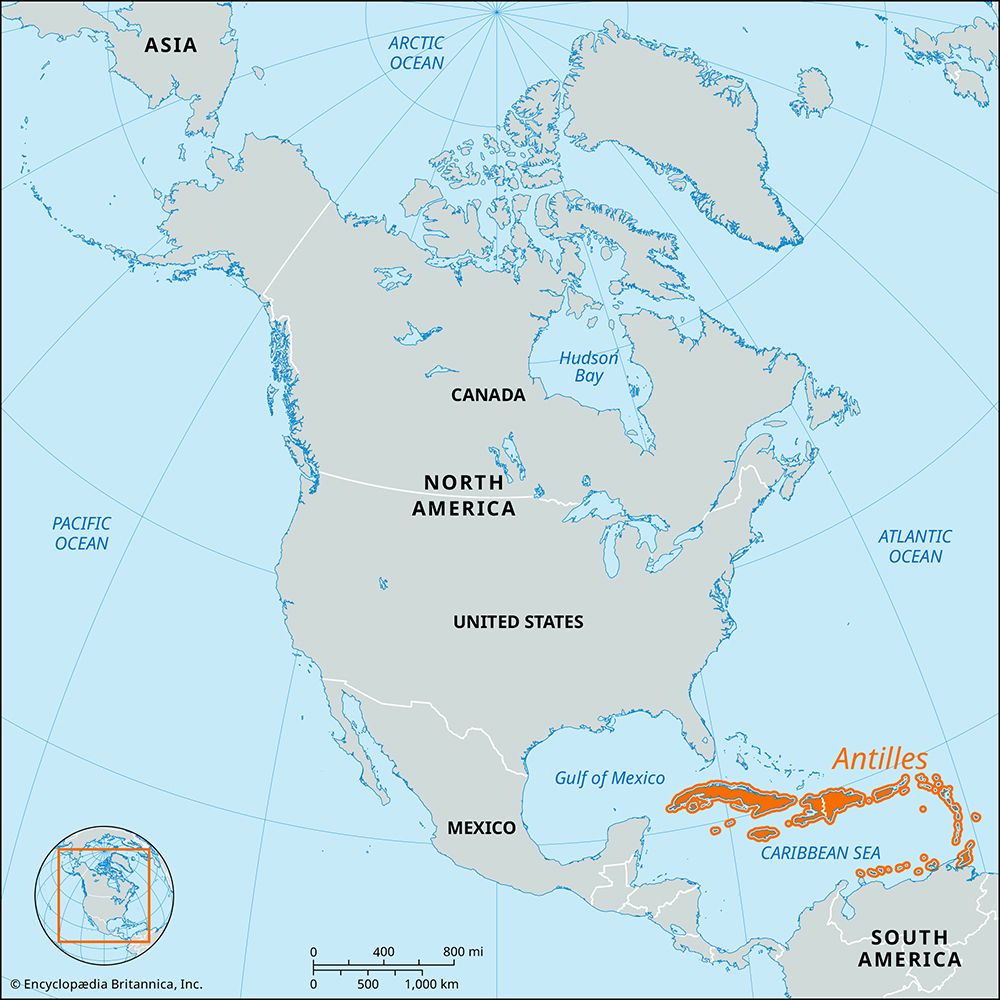
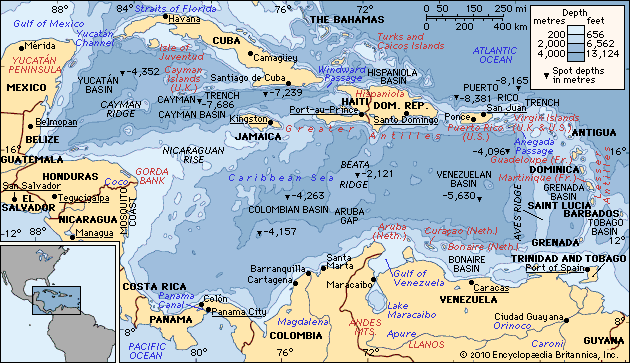
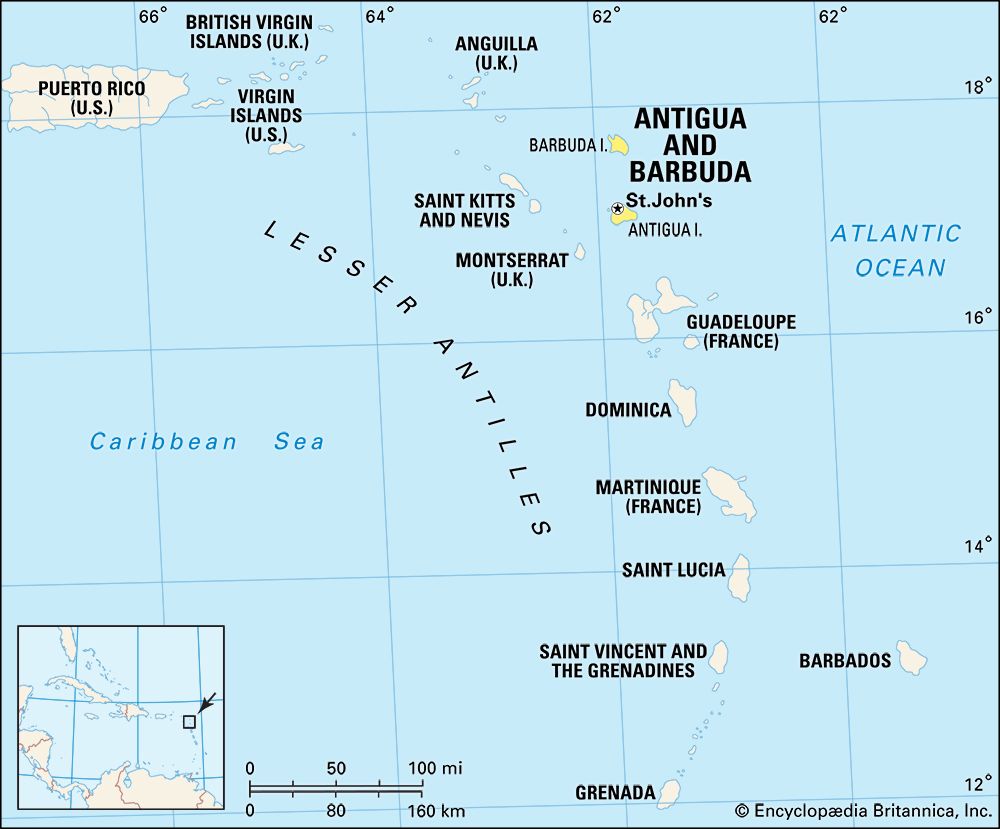
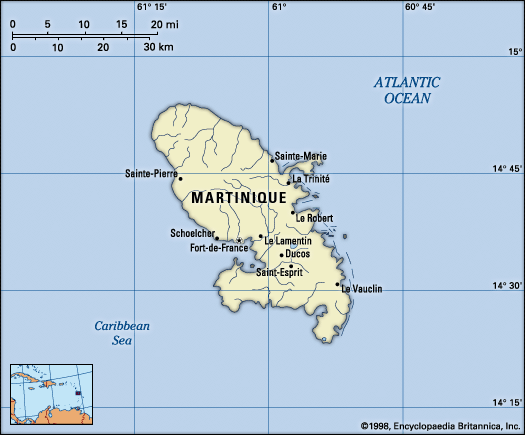
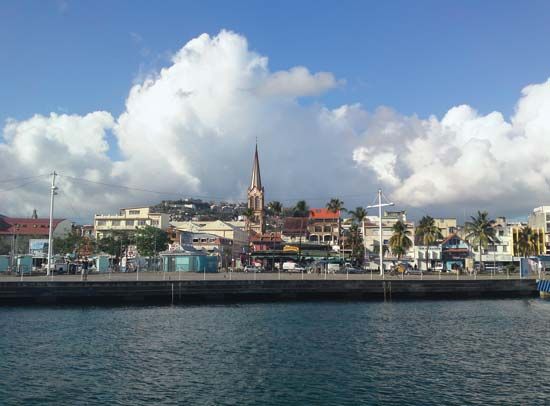
Martinique is an island located in the eastern Caribbean Sea as part of the Lesser Antilles island chain. Situated between Dominica to the northwest and Saint Lucia to the south, it serves as a significant overseas territorial collectivity of France.78
The island’s status as an overseas territory is deeply rooted in its history, having transitioned from a colonial possession under the French crown to its current administrative structure. Its significance is defined by several key factors:93
- Political Integration: Martinique is an integral part of the French Republic. It is represented in the French National Assembly, the Senate, and the European Parliament.8
- Governance: While a prefect is appointed by the French state, the island maintains a local government led by the president of an Executive Council and a legislative Assembly, reflecting a balance between local autonomy and national oversight.38
- Administrative Structure: As a territorial collectivity, it functions through a system of arrondissements, cantons, and communes, mirroring the administrative organization of mainland France.8
How does Martinique’s economy function, and what are its primary industries?
Martinique’s economy is characterized by a heavy reliance on external support, primarily from France, and a focus on a limited range of agricultural products and tourism. Despite facing significant economic challenges, such as a high rate of unemployment and a substantial trade deficit, the island maintains one of the highest standards of living in the Caribbean, largely because its wage scale is linked to that of metropolitan France.10
Primary Industries and Trade
The island’s economic activity is driven by several key sectors:
- Tourism: Martinique is a major destination in the Caribbean, supported by a flourishing cruise ship industry that attracts visitors primarily from France, Canada, and the United States.11
- Agriculture and Exports: The economy depends on agricultural exports, with bananas being a significant commodity. Other notable exports include refined petroleum products and processed foods and beverages, particularly rum.11
- Imports: The island relies heavily on imports, which far exceed the value of its exports. Primary imports include machinery, food, automobiles, mineral fuels, and chemical products.11
Trade is conducted predominantly with France, which serves as the island’s main economic partner.11
Sources
- Dominica - Climate — Encyclopædia Britannica
- Fort-de-France — Encyclopædia Britannica
- Martinique - Government and society — Encyclopædia Britannica
- Martinique - Education — Encyclopædia Britannica
- Guadeloupe - Education — Encyclopædia Britannica
- education - Education in French colonies and former colonies — Encyclopædia Britannica
- Martinique — Encyclopædia Britannica
- Martinique - French rule — Encyclopædia Britannica
- Martinique - Developments since World War II — Encyclopædia Britannica
- Martinique - Economy — Encyclopædia Britannica
- Martinique - Tourism and trade — Encyclopædia Britannica
Published on · 3 min read