Mint
The term "mint" refers to two distinct concepts:
What is Mint?
The term “mint” refers to two distinct concepts:
Botanical Definition
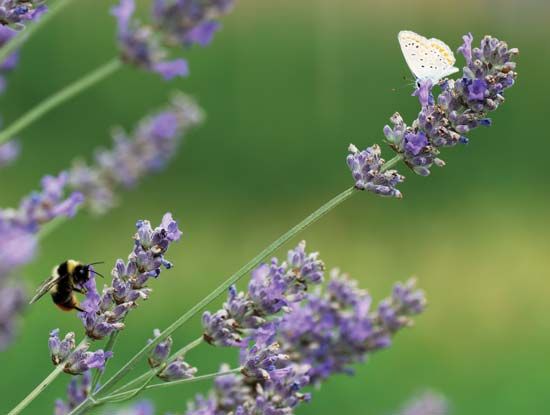
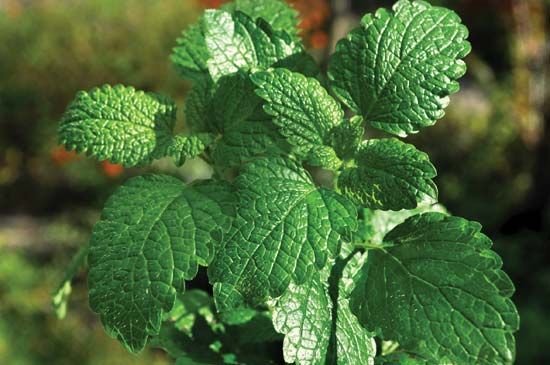
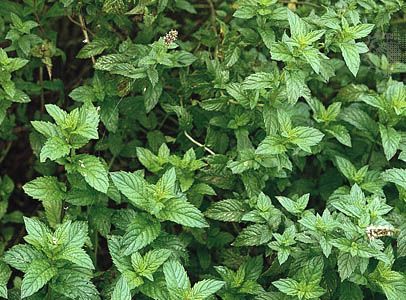
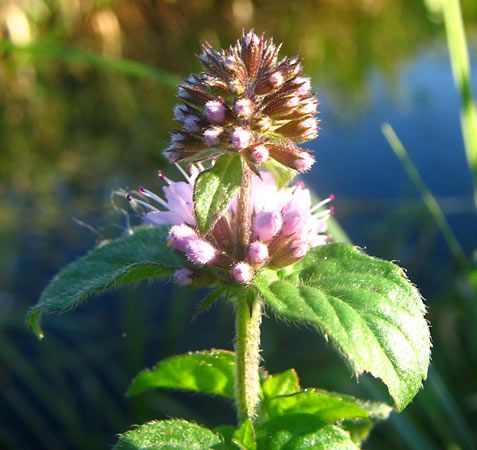
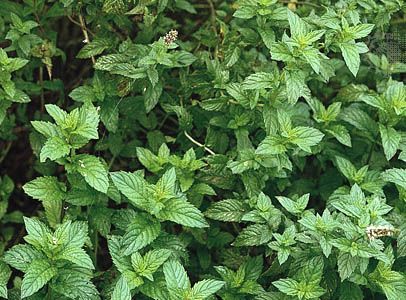
Mint refers to a genus (Mentha) of fragrant herbs belonging to the Lamiaceae family. These plants are characterized by square stems and opposite, aromatic leaves. Widely distributed across temperate regions, various species—most notably peppermint and spearmint—are used as flavorings for food, beverages, and dentifrices, as well as in perfumery and herbal medicine. Their essential oils contain compounds such as menthol, which are valued for their antibacterial and anti-inflammatory properties.1
Economic Definition
In economics, a mint is a facility where coins are manufactured according to legal specifications regarding composition, weight, and dimensions. The practice of state-sanctioned minting dates back to the 7th century BCE with the Lydians. Modern mints, such as the U.S. Mint, often operate as government agencies responsible for producing circulating currency and, in some cases, refining precious metals or creating commemorative medals.23
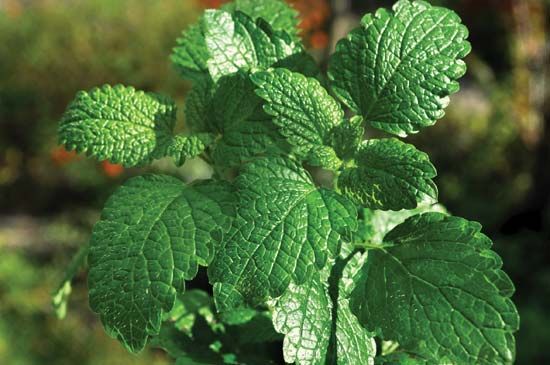
What are the key physical characteristics that identify a plant as part of the mint family?
Plants in the Lamiaceae family, commonly known as the mint family, are identified by several distinct physical characteristics:
- Stems: A primary diagnostic feature is the presence of square (four-sided) stems.52
- Leaves: The plants typically feature simple, aromatic leaves that are arranged in opposite pairs along the stem.652
- Flowers: The flowers are generally bilaterally symmetric and often exhibit a two-lipped, open-mouthed tubular shape. These flowers are typically small and appear in shades of pale purple, pink, or white.652
- Reproductive Structures: Members of this family usually possess two or four stamens. The ovary is composed of two carpels, which are divided by secondary partitions to create four chambers, each containing a single ovule.6
- Fruit: Upon maturity, the fruit typically separates into four distinct nutlets.6
These characteristics help distinguish the Lamiaceae from other related families within the order Lamiales.
How do modern mints ensure the weight and quality of coins during production?
Modern mints employ highly automated and precise processes to ensure that coins meet strict legal specifications for weight, composition, and dimensions.
Quality and Composition Control
The process begins with rigorous material testing. Incoming metal is assayed to verify it meets the required specifications. To ensure the correct alloy, computer-controlled weighing sections manage the proportions of each constituent before the metal is melted in electric induction furnaces. During the melting process, deoxidation additives are introduced to maintain the integrity of the metal.8
Weight and Dimension Precision
- Thickness Control: During the rolling process, sensors in the finishing mill monitor and control the thickness of the metal strips to ensure consistency.8
- Blanking: Metal coils are punched into planchets (blanks) by high-speed presses. Because the diameter of these blanks is fixed, maintaining a uniform thickness is critical for controlling the final weight of the coin.89
- Tolerance Management: Mints operate within a “remedy,” or a legally permitted range of variation. To maintain this, modern facilities use advanced technology to monitor the production flow. Historically, and in specific modern applications, mints have utilized measurable lengths of metal or specific rolling techniques to ensure that the final weight per coin remains accurate.8
What are some common culinary and medicinal uses for different varieties of mint herbs?
Mint herbs, particularly peppermint and spearmint, are versatile plants with significant culinary and medicinal applications.
Culinary Uses
Mint is widely utilized as a flavoring agent due to its characteristic fragrance and taste. Common culinary applications include:
- Food and Beverages: Fresh leaves and dried flowers are used to flavor candy, chewing gum, desserts, salads, and various beverages.16
- Commercial Products: Mint extracts are standard flavorings for liqueurs and dentifrices.110
Medicinal Uses
Mint essential oils, which contain compounds like menthol, are valued for their therapeutic properties, including antibacterial, antifungal, antiviral, and anti-inflammatory effects. Traditional medicinal uses include:16
- Digestive Health: Treatments for irritable bowel syndrome, gastritis, and enteritis.science/gastritis), and enteritis.1
- Other Applications: Relief for respiratory tract disorders and oral mucositis.1
Important Safety Note: While many mints are beneficial, some species like pennyroyal are highly toxic. Pennyroyal oil should never be ingested, as it can cause severe reactions, including organ failure.1
Sources
- Mint — Encyclopædia Britannica
- list of plants in the family Lamiaceae — Encyclopædia Britannica
- mint — Encyclopædia Britannica
- Gold standard - 1792–1862: The bimetallic standard — Encyclopædia Britannica
- Lamiales - Main families — Encyclopædia Britannica
- Mint: Top Questions — Encyclopædia Britannica
- Lamiales - Order characteristics — Encyclopædia Britannica
- coin - Contemporary mints — Encyclopædia Britannica
- coin - Early modern minting — Encyclopædia Britannica
- peppermint — Encyclopædia Britannica
Published on · 3 min read