Peppermint
Peppermint (Mentha ×piperita) is a hybrid herb derived from watermint and spearmint. Historically, it has been valued for its strong, aromatic qualities and…
How has peppermint been used historically, and how has its cultivation spread globally?
Peppermint (Mentha ×piperita) is a hybrid herb derived from watermint and spearmint. Historically, it has been valued for its strong, aromatic qualities and its essential oil, which is rich in menthol.
Historical and Medicinal Uses
Peppermint has long been utilized as a culinary herb to flavor candy, beverages, and various dishes. Medicinally, its oil has served as a soothing balm and a traditional treatment for conditions such as irritable bowel syndrome, gastritis, and respiratory tract disorders. Beyond human health, the oil is employed in dentifrices, perfumery, and as a natural pesticide for cereal crops.
Global Cultivation
Peppermint is primarily cultivated across Europe, Asia, and North America. Growers typically recognize two main varieties: the black (or English) peppermint, which is extensively grown in the United States, and the white variety, which is less hardy but prized for its delicate oil. The plant spreads aggressively via stolons, allowing it to naturalize in various temperate regions worldwide.
What are the main uses of peppermint in culinary applications and traditional medicine?
Peppermint (Mentha ×piperita) is a versatile herb with a wide range of applications in both culinary arts and traditional medicine.
Culinary Applications
Peppermint is highly valued for its strong, aromatic profile, characterized by a sweet scent and a pungent, cooling taste.
- Fresh Use: The leaves are commonly used as a culinary herb in various dishes and salads.1
- Flavoring: Dried flowers and the plant’s essential oil are used to flavor candy, desserts, beverages, chewing gum, and liqueurs.145
Traditional Medicine
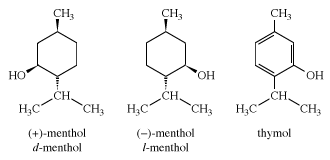
The medicinal properties of peppermint are largely attributed to its essential oil, which is rich in menthol.
- Therapeutic Uses: Peppermint oil has been traditionally used to treat irritable bowel syndrome, gastritis, enteritis, oral mucositis, and respiratory tract disorders.15
- Menthol Applications: Menthol is frequently incorporated into ointments, cough drops, and nasal inhalers for its soothing properties.2
- Other Uses: Beyond human health, the oil is used in dentifrices, cosmetics, and as a natural pesticide to protect cereal crops.125
What is peppermint and how is it related to other mint species?
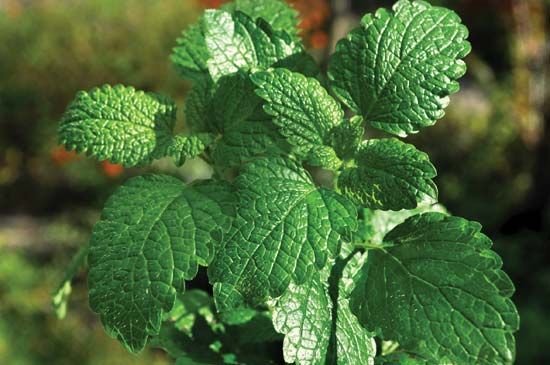
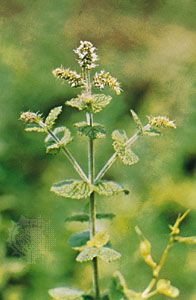
Peppermint (Mentha ×piperita) is a strongly aromatic perennial herb belonging to the mint family (Lamiaceae). It is characterized by its square stems, dark green leaves, and clusters of pinkish-lavender flowers. The plant is highly valued for its essential oil, which is rich in menthol and widely used in flavoring and medicine.12
Regarding its relationship to other species, peppermint is a hybrid resulting from the cross-breeding of watermint (Mentha aquatica) and spearmint (M. spicata). While it is a member of the genus Mentha, which includes approximately 25 species of fragrant herbs, it is distinct from other “mints” in the broader Lamiaceae family, such as catnip (Nepeta cataria) or bergamots (Monarda), which are sometimes colloquially referred to as mints but belong to different genera. Like many other members of the Mentha genus, peppermint spreads aggressively through stolons.12
What role does peppermint play in aromatherapy and essential oil practices?
Peppermint (Mentha ×piperita) plays a significant role in aromatherapy and essential oil practices due to its high concentration of volatile compounds, particularly menthol and menthone.12
In aromatherapy, the essential oil is typically extracted through steam distillation. Practitioners use these extracts in several ways:12
- Inhalation: The oil may be diffused into the air, allowing inhaled molecules to stimulate the olfactory nerve. This process is believed to send signals to the brain’s limbic system, which governs memory, learning, and emotion.6
- Topical Application: The oil is often diluted in carrier oils for use in massage or added to bathwater.6
While proponents suggest that these practices promote physical, emotional, and spiritual balance, mainstream medical practitioners often view the reported benefits as conditioned responses to the odors rather than independent physiological effects. Furthermore, because these oils are not standardized, users should be aware of potential risks, such as allergic reactions.6
Sources
- peppermint — Encyclopædia Britannica
- Mint — Encyclopædia Britannica
- peppermint — Merriam-Webster
- Mint: Top Questions — Encyclopædia Britannica
- menthol — Encyclopædia Britannica
- aromatherapy — Encyclopædia Britannica
Published on · 3 min read