Bulgur
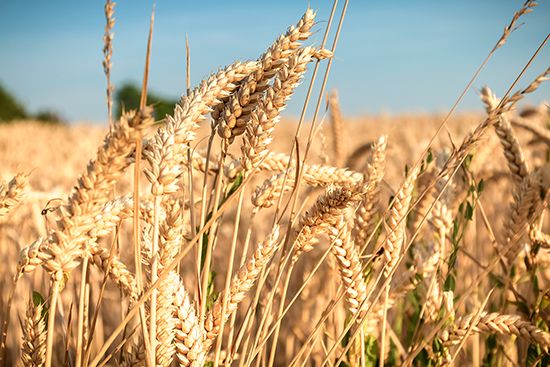
Bulgur is a cereal food product made from wheat groats—typically durum wheat—that have been parboiled, dried, and ground. Because it is a whole-wheat…
What is Bulgur?
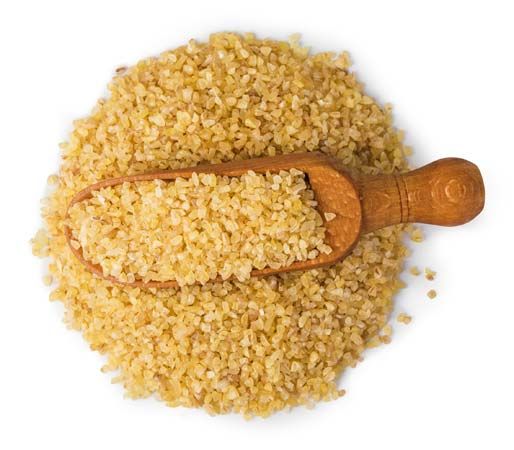
Bulgur is a cereal food product made from wheat groats—typically durum wheat—that have been parboiled, dried, and ground. Because it is a whole-wheat product, it is a nutritious source of dietary fiber, protein, iron, and vitamin B6, though it does contain gluten.1
With an ancient history dating back to the Fertile Crescent, ancient Greece, and the ancient Middle East, bulgur remains a staple in Middle Eastern, Indian, and Balkan cuisines. It is a key ingredient in dishes such as tabbouleh and kibbehleh) and kibbeh.1
Due to the parboiling process, bulgur has a longer shelf life and requires less cooking time than many other whole grains. It can be prepared by boiling, frying, roasting, or soaking, and is often used as a substitute for rice or couscous.1
What is the difference between bulgur and cracked wheat?
While the terms are sometimes used interchangeably, there is a distinct difference between bulgur and standard cracked wheat based on their preparation.
Bulgur is a cereal product made from wheat groats that have been parboiled (partially cooked), dried, and then ground into various sizes. Because it is pre-cooked during the manufacturing process, it has a longer shelf life and requires significantly less cooking time than raw grains.1
Cracked wheat, by contrast, consists of raw wheat kernels that have been broken into smaller pieces but have not been parboiled. Because it is raw, cracked wheat requires a longer cooking time than bulgur and lacks the specific nutty flavor profile developed through the parboiling process. While bulgur is essentially a specific type of parched, cracked wheat, the absence of the parboiling step in standard cracked wheat makes it a different culinary product.12
How is bulgur used in traditional Middle Eastern dishes like tabbouleh?
In traditional Middle Eastern cuisine, bulgur serves as a foundational ingredient, prized for its nutty flavor and ability to provide texture and substance to various dishes.
In tabbouleh, a classic Levantine herb salad, bulgur is used in relatively small proportions compared to the primary ingredient, fresh parsley. When prepared, the bulgur absorbs the dressing—typically a mixture of olive oil and lemon juice—along with the juices from finely chopped tomatoes, mint, and onions. Allowing the salad to chill or sit before serving is a common technique that enables the flavors to meld and the grain to soften properly.13
Beyond tabbouleh, bulgur is a versatile staple across the region. It is a primary component in kibbeh, where it is combined with ground meat and spices, and it is also used in soups, pilafs, and even fermented beverages like boza.14
Why is bulgur considered a healthy whole-grain food?
Bulgur is considered a healthy whole-grain food because it retains the bran, germ, and endosperm of the original wheat kernel. Because it is a whole-wheat product, it provides the same nutritional profile found in the original grain, making it a nutrient-dense alternative to refined grains.15
Specifically, bulgur is a valuable source of several essential nutrients, including:
- Dietary fiber: Supports digestive health.1
- Protein: Contributes to muscle maintenance and satiety.1
- Iron: Essential for oxygen transport in the blood.1
- Vitamin B6: Important for brain health and metabolism.1
Unlike refined flours, which are stripped of their outer layers during processing, the inclusion of the bran and germ in bulgur ensures a more complex nutritional profile. Additionally, its preparation—which involves parboiling—allows it to maintain these nutrients while offering a convenient, quick-cooking option for a balanced diet.51
Sources
- Bulgur — Encyclopædia Britannica
- bulgur — Merriam-Webster
- tabbouleh — Encyclopædia Britannica
- Turkey - Cuisine — Encyclopædia Britannica
- whole grain — Merriam-Webster
Published on · 3 min read