Misima Island
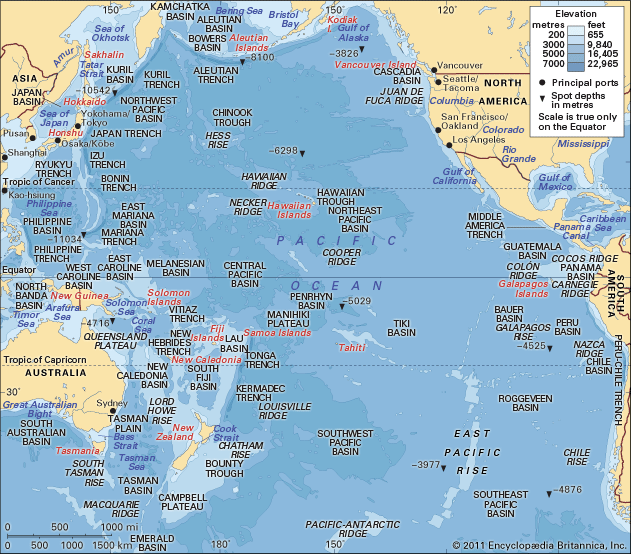
Misima Island is a volcanic island located in the Louisiade Archipelago of Papua New Guinea, situated in the southwestern Pacific Ocean.
What is Misima Island?
Misima Island is a volcanic island located in the Louisiade Archipelago of Papua New Guinea, situated in the southwestern Pacific Ocean.1
Lying approximately 125 miles southeast of New Guinea, the island spans about 25 by 6 miles, covering an area of roughly 100 square miles. Its mountainous landscape reaches an elevation of 3,400 feet at Mount Koia Tau.1
Historically significant for its mineral wealth, the island was the site of gold discoveries in the late 1890s, followed by mining operations throughout the 20th century and large-scale open-pit gold and silver mining from 1990 to 2001. Today, the island’s economy focuses on the production of copra, with Bwagaoia serving as its primary settlement.1
What is the Louisiade Archipelago?
The Louisiade Archipelago is an island group belonging to Papua New Guinea, located in the southwestern Pacific Ocean approximately 125 miles southeast of the island of New Guinea.2
The archipelago stretches over 100 miles and encompasses nearly 100 islands, covering a total land area of approximately 690 square miles. The largest islands—Misima, Tagula (Sud-est), and Rossel—are mountainous and volcanic in origin, typically fringed by reefs, while the majority of the smaller islands consist of coral formations.2
The islands were named in 1768 by the French explorer Louis-Antoine de Bougainville in honor of Louis XV of France. Historically, the region was occupied by Japanese forces in 1942 and is situated near the site of the Battle of the Coral Sea.2
How is copra produced from coconuts?
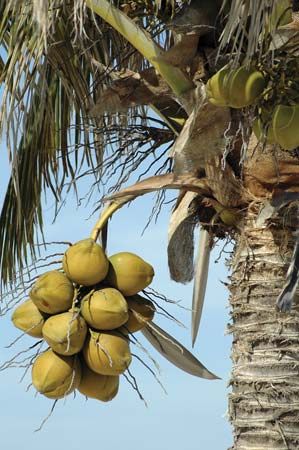
Copra is produced by drying the meat of the coconut, which is the kernel of the fruit from the coconut palm. The process involves several key steps:4
- Husking and Cracking: The nuts are husked by hand or mechanically using a sharp point. The shell is then cracked, typically into two halves, to expose the meat.4
- Drying: The meat, which initially contains about 50 percent water, must be dried to reduce moisture to 4–5 percent. Common methods include:
- Sun Drying: Exposing kernels to air and sun, which produces high-quality white copra.4
- Kiln Drying: A faster method used in high-humidity areas where copra is placed on a grid over a fire pit.4
- Hot-Air Drying: A process where copra is moved through a heated tunnel against a countercurrent of hot air, resulting in a premium, fine white product.4
Once dried, the copra is cleaned and crushed to extract coconut oil through pressing or solvent extraction.4
What are the environmental impacts of open-pit mining?
Open-pit and surface mining significantly alter the landscape, often leaving behind barren, irregular topography known as spoil banks that are slow to recover naturally. These operations involve removing vast amounts of overburden, which can lead to severe environmental challenges, including slope instability, erosion, and sediment discharge.567
A primary concern is the degradation of water quality. When materials overlying deposits—particularly those containing iron sulfides—are exposed to air in loose spoil piles, they can oxidize and create highly acidic conditions. This acidity can leach into the surrounding environment, posing risks to local ecosystems. Furthermore, the process often leaves behind infertile, compacted soil that is difficult to revegetate, limiting the land’s future utility to activities like reforestation or grazing rather than traditional cultivation.5
To mitigate these impacts, modern mining operations integrate land reclamation efforts, such as backfilling, regrading, and replanting, to restore the land’s capability for future use. These practices are essential for managing toxic wastes and preventing long-term environmental damage.75
Sources
- Misima Island — Encyclopædia Britannica
- Louisiade Archipelago — Encyclopædia Britannica
- Louisiade Archipelago — Merriam-Webster
- Copra — Encyclopædia Britannica
- mining - Pit geometry — Encyclopædia Britannica
- coal mining - Reclamation equipment — Encyclopædia Britannica
- land reclamation - Reclamation of mine spoils — Encyclopædia Britannica
Published on · 3 min read