Monk Seal
Monk seals, belonging to the genus Monachus, are distinct from most other seal species primarily due to their geographic distribution and physical…
How do monk seals differ from other seal species?
Monk seals, belonging to the genus Monachus, are distinct from most other seal species primarily due to their geographic distribution and physical characteristics. While the majority of the 32 seal species inhabit cold, polar, or temperate seas, monk seals are unique for being tropical or subtropical animals.12
Key differences include:
- Habitat: Unlike many seals that favor polar regions or open oceans, monk seals inhabit coastal waters in warmer climates, specifically the Mediterranean Sea and the Hawaiian islands.12
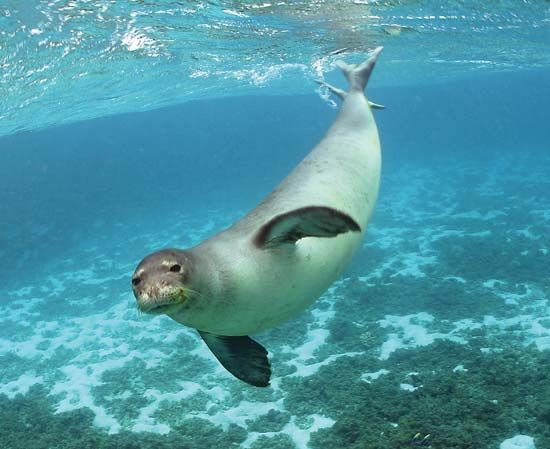
- Physical Features: They are characterized by distinct V-shaped hind flippers. As adults, they typically display a dark gray or brown coloration on their upper bodies, while appearing paler or whitish underneath.1
- Conservation Status: Monk seals are among the most vulnerable of all seal species. All three species—including the now-extinct Caribbean monk seal—have been listed as endangered due to historical hunting for fur, oil, and meat, as well as ongoing threats from human disturbance and disease.1
What are the main threats to monk seal populations, and what conservation efforts are underway?
Monk seal populations face severe threats that have pushed them to the brink of extinction. The primary dangers include human disturbance of their coastal habitats, the spread of disease, and continued illegal hunting. Historically, these animals were also decimated by extensive commercial exploitation for their fur, oil, and meat.1
Conservation efforts are critical, as all three species—the Caribbean, Mediterranean, and Hawaiian monk seals—have been listed as endangered in the Red Data Book. Because the Caribbean monk seal is considered extinct, current efforts focus on protecting the remaining populations of the Mediterranean monk seal and the Hawaiian, or Laysan, monk seal. These initiatives generally prioritize the preservation of coastal environments to minimize human interference and mitigate the impact of environmental stressors on these vulnerable marine mammals.1
How many species of monk seals exist, and what is their conservation status?
There are three species of monk seals belonging to the genus Monachus. All three are classified as endangered in the Red Data Book due to historical overhunting for their fur, oil, and meat, as well as ongoing threats from disease and human disturbance of their coastal habitats.1
The status of these species is as follows:
- Caribbean (or West Indian) monk seal (M. tropicalis): This species is considered extinct, having disappeared by the early 1970s.1
- Mediterranean monk seal (M. monachus): This species remains in danger of extinction, with population estimates in the 1990s ranging between 300 and 600 individuals.1
- Hawaiian (or Laysan) monk seal (M. schauinslandi): This species is also endangered, with approximately 1,400 individuals remaining as of the 1990s.1
What is the diet of monk seals, and how do they hunt for food?
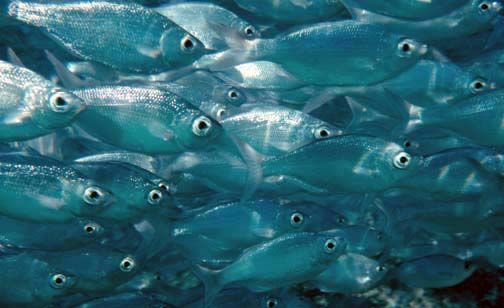
Monk seals are opportunistic predators that primarily consume a varied diet consisting of fish, cephalopods, and crustaceans.1
While the provided information confirms their dietary components, it does not detail the specific hunting behaviors or techniques these seals employ to capture their prey. As these animals are generally described as little-known, their foraging strategies remain a subject of ongoing study within marine biology.1
Sources
- monk seal — Encyclopædia Britannica
- seal — Encyclopædia Britannica
- monk seal — Merriam-Webster
Published on · 2 min read