Miniature Pinscher
The Miniature Pinscher is a toy dog breed that originated in Germany, likely as early as the 1600s. While often mistaken for a miniature Doberman Pinscher…
What is a Miniature Pinscher?
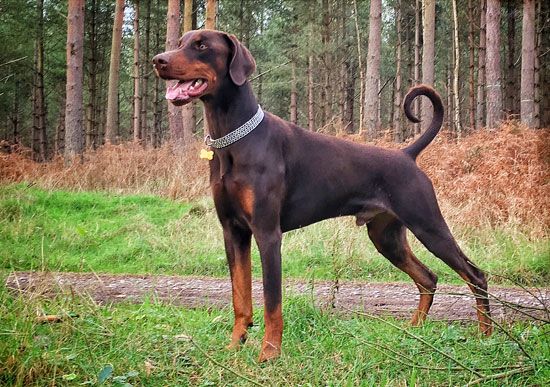
The Miniature Pinscher is a toy dog breed that originated in Germany, likely as early as the 1600s. While often mistaken for a miniature Doberman Pinscher due to their similar appearance, the breed likely resulted from crossbreeding German Pinschers, Dachshunds, and Italian Greyhounds.1
Known as the “King of Toys,” this breed is characterized by its high energy, fearlessness, and a distinctive “hackney” gait—a high-stepping prance reminiscent of a Hackney horse. They are typically 10–12.5 inches tall and weigh between 8–10 pounds.1
Temperamentally, they are terrier-like: independent, clever, and extremely active. While loyal to their families, they can be domineering toward other dogs and are often aloof with strangers. Due to their high activity levels and small size, they require secure environments and are generally not recommended for dog parks where they might challenge much larger animals.1
What does a Miniature Pinscher look like?
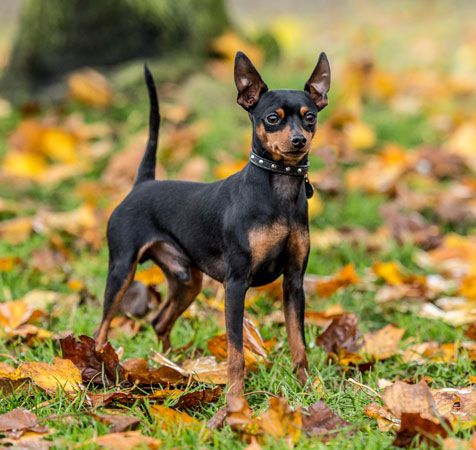
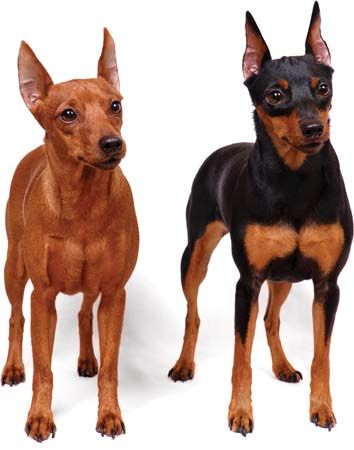
The Miniature Pinscher is a small, elegant toy dog known for its streamlined, athletic build. While it is often mistaken for a smaller version of the Doberman Pinscher, it is a distinct breed with its own unique physical characteristics.1
Physical Characteristics
- Size: The breed stands between 10–12.5 inches (25–32 cm) at the withers and typically weighs between 8–10 pounds (4–4.5 kg).1
- Coat and Color: The coat is sleek and requires minimal grooming. Standard colors include solid red, stag red (red with an overlay of black hairs), and black or chocolate with tan or rust points.1
- Ears and Tail: In countries where the practice is legal, the tail is traditionally docked and the ears are cropped. However, whether natural or cropped, the ears are always held erect.1
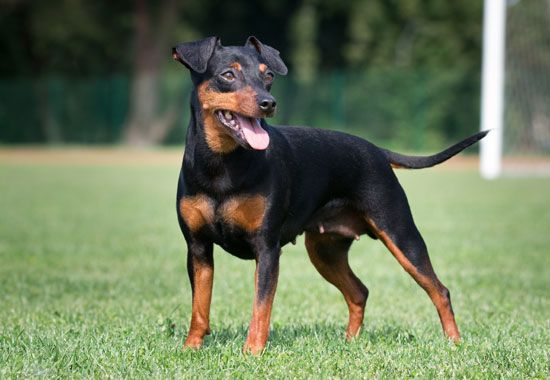
- Movement: The breed is famous for its distinctive “hackney” gait, a high-stepping, prancing trot that resembles the movement of a Hackney horse.1
The Miniature Pinscher’s confident, fearless demeanor and elegant appearance have earned it the nickname “King of Toys” in the show ring.1
What is the history of the Miniature Pinscher breed?
The Miniature Pinscher is a toy dog breed with roots in Germany dating back to at least the 1600s. Originally utilized for ratting or companionship, the breed was known in the early 1800s as the reh pinscher due to its resemblance to the German roe deer. The term pinscher refers to any short-haired, terrier-like breed.1
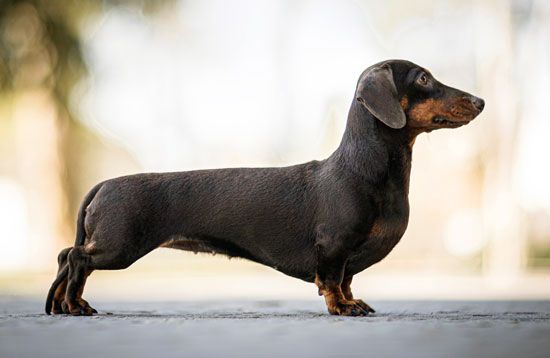
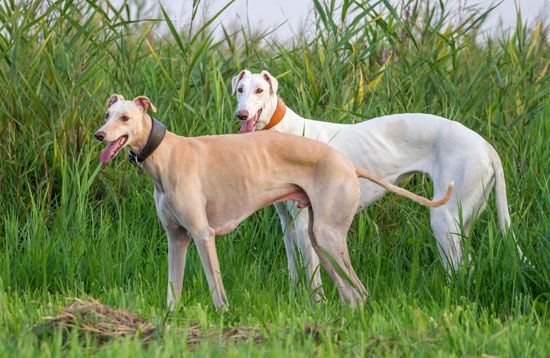
Contrary to the common misconception that they are miniature Doberman Pinschers, the breed likely originated from crossbreeding German Pinschers, Dachshunds, and Italian Greyhounds.1
The breed gained significant popularity in Europe and America during the early 20th century. The American Kennel Club recognized the breed in 1925, initially placing it in the terrier group before moving it to the toy group in 1930. The Fédération Cynologique Internationale recognized the breed, known as the Zwergpinscher, in 1955.1
What is the typical personality of a Miniature Pinscher?
The Miniature Pinscher is known for its terrier-like attitude, characterized by a brash, fearless, and independent nature. These dogs are extremely active, playful, and clever, often displaying a high level of self-possession and confidence.1
Key aspects of their temperament include:
- Social Behavior: They are typically very loyal and affectionate toward their family members but tend to be aloof with strangers. While they generally get along well with other household pets, they can be domineering toward unfamiliar dogs, regardless of the other dog’s size.1
- Watchdog Qualities: They can serve as excellent watchdogs, though they have a tendency to bark frequently, even when there is nothing alarming present. Due to their small size, they are not effective as protection dogs.1
- Training and Play: While they are fun playmates, they are too small to tolerate rough handling from children. They can be difficult to train due to a lack of focus, but they are capable of becoming incredible performers once properly schooled.1
Sources
- Miniature Pinscher — Encyclopædia Britannica
- Doberman Pinscher — Encyclopædia Britannica
- dog - Toys — Encyclopædia Britannica
Published on · 3 min read