Moon Tree
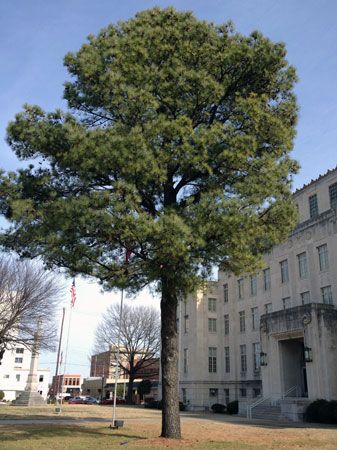
A Moon tree is a tree grown from seeds that were carried into space and orbited the Moon. The original experiment occurred during the 1971 Apollo 14 mission…
What is a Moon tree?
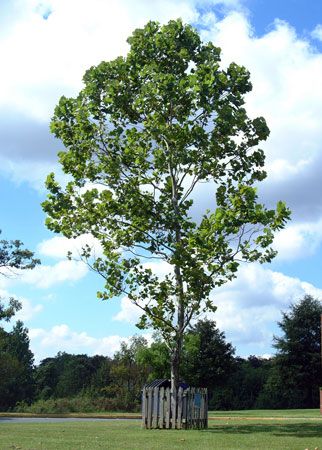
A Moon tree is a tree grown from seeds that were carried into space and orbited the Moon. The original experiment occurred during the 1971 Apollo 14 mission, when command module pilot Stuart Roosa—a former U.S. Forest Service smoke jumper—carried approximately 500 seeds in his personal kit. These seeds orbited the Moon 34 times but did not land on the lunar surface.1
Upon returning to Earth, the seeds were germinated and distributed by NASA, with many planted across the United States during the 1976 Bicentennial. Researchers found no significant differences between these trees and those grown from control seeds left on Earth.1
The legacy continues with the Artemis program, which has sent new batches of seeds on Artemis I and Artemis II missions to inspire scientific interest and raise awareness about environmental challenges like climate change.1
Why are they called Moon trees?
They are called “Moon trees” because they were grown from seeds that were carried into space and orbited the Moon during the 1971 Apollo 14 mission.1
While the name implies a lunar connection, it is a colloquial term; the seeds did not land on the lunar surface. Instead, they remained in the command module with astronaut Stuart Roosa—a former U.S. Forest Service smoke jumper—while he orbited the Moon 34 times. The experiment was conducted at the request of the Forest Service to study the effects of space travel on the seeds. Following their return to Earth, the germinated seedlings were distributed as living symbols of scientific achievement, particularly during the 1976 U.S. Bicentennial.12
Who took the seeds that became Moon trees to the Moon?
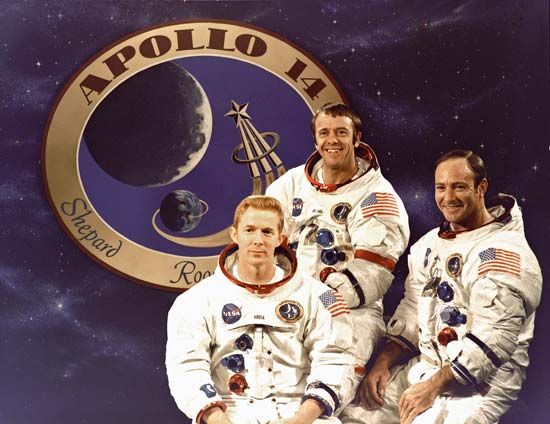
The seeds that became the original Moon trees were carried by command module pilot Stuart Roosa during the Apollo 14 mission in 19712.2
While Roosa was the astronaut responsible for keeping the approximately 500 seeds in his personal effects kit while he orbited the Moon, the mission crew also included commander Alan B. Shepard, Jr. and lunar module pilot Edgar D. Mitchell. Although the seeds were not taken to the lunar surface, they orbited the Moon 34 times inside the command module before returning to Earth. The experiment was conducted at the request of the U.S. Forest Service to observe the effects of space travel on the seeds.12
How were the Moon tree seeds taken to the Moon and brought back?
The seeds that became known as “Moon trees” were transported to space aboard the Apollo 14 mission in 1971. At the request of the U.S. Forest Service, command module pilot Stuart Roosa carried approximately 500 seeds in a small valise containing his personal effects.12
While Roosa’s crewmates, Alan B. Shepard, Jr. and Edgar D. Mitchell, descended to the lunar surface, the seeds remained with Roosa in the command module. They orbited the Moon 34 times before returning to Earth with the crew on February 9, 1971. Following the mission, the seeds were collected and sorted by the Forest Service for germination and eventual distribution.12
Sources
- Moon tree — Encyclopædia Britannica
- Stuart A. Roosa — Encyclopædia Britannica
Published on · 3 min read