U.S. Forest Service
The U.S. Forest Service (USFS) is a federal agency within the U.S. Department of Agriculture dedicated to the stewardship, conservation, and management of…
What is U.S. Forest Service?
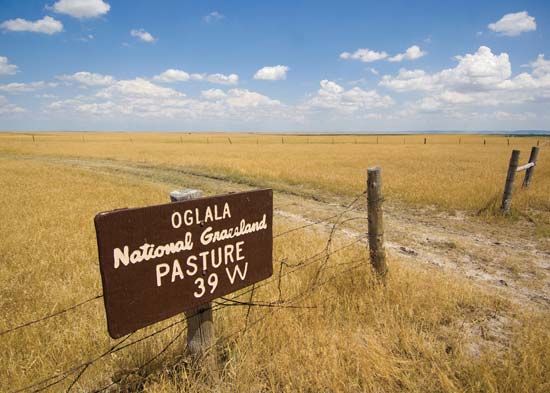
The U.S. Forest Service (USFS) is a federal agency within the U.S. Department of Agriculture dedicated to the stewardship, conservation, and management of the nation’s national forests and grasslands.1
Operating under the motto “Caring for the Land and Serving the People,” the agency manages approximately 193 million acres of public land. Its mission is to sustain the health, diversity, and productivity of these ecosystems for present and future generations. Beyond direct land management, the USFS is the world’s largest forestry research organization and provides support to private landowners, tribal, state, and local governments.1
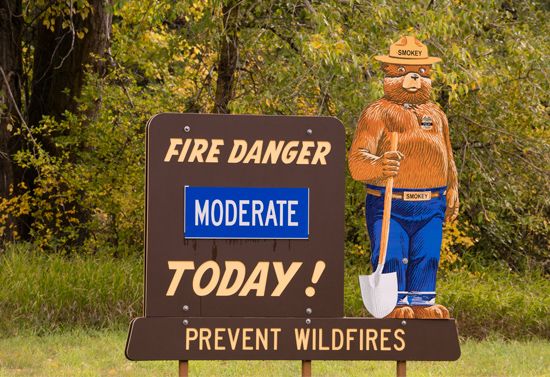
Historically established to combat the degradation of natural resources caused by rapid industrial expansion in the late 19th century, the agency has evolved from a focus on total fire suppression to a modern policy centered on ecological sustainability and balanced land use, including recreation and conservation. The agency is also famously associated with the Smokey Bear wildfire prevention campaign.1
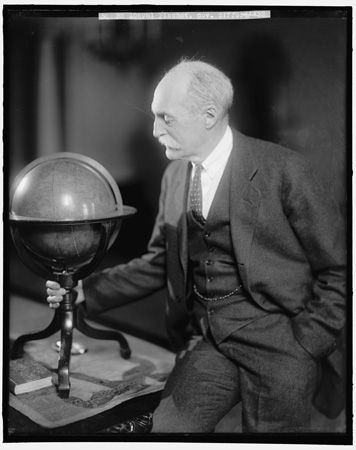
Who was Gifford Pinchot and why was he important to the Forest Service?
Gifford Pinchot (1865–1946) was a pioneering American forester and conservationist who played a foundational role in the development of the U.S. Forest Service.2
His importance to the agency and the broader conservation movement includes:
- Founding Leadership: In 1898, Pinchot was appointed head of the Division of Forestry, which became the U.S. Forest Service in 1905. He served as its chief until 1910, building the agency’s entire administrative machinery and system from the ground up.2
- Utilitarian Conservation: Pinchot championed a “utilitarian” approach to natural resources, advocating for the sustainable use of forests to provide long-term benefits for the public. This contrasted with the “preservationist” philosophy of his contemporary, John Muir, who sought to keep lands entirely off-limits to industrial interests.2
- Policy and Education: He was instrumental in shaping national forest policy under President Theodore Roosevelt, helping to establish the National Conservation Commission. Additionally, he founded the Yale School of Forestry to professionalize the field.2
How do prescribed burns help maintain a healthy forest ecosystem?
Prescribed burns are a vital land management tool used to maintain the health and balance of forest ecosystems. By intentionally applying fire under controlled conditions, land managers can achieve several ecological benefits:
- Fuel Reduction: Prescribed fire decreases “fuel loading”—the accumulation of dry brush and dead vegetation—which helps prevent the occurrence of more intense, uncontrollable wildfires during dry weather.451
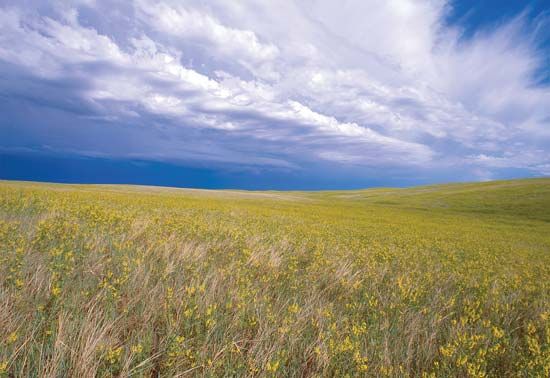
- Ecosystem Restoration: Many ecosystems are fire-adapted, meaning native species depend on periodic fire to persist and reproduce. In areas where fire was historically suppressed, prescribed burns help restore natural conditions and promote the health of forests, woodlands, and grasslands.451
- Biological Regulation: Fire reduces competition among plant species and helps decrease the prevalence of diseases and pests that can degrade forest quality.456
- Nutrient Cycling: Fire fertilizes the soil with ash, which can stimulate new growth and improve the quality of forage for wildlife and livestock.451
Practitioners carefully plan these burns by considering weather, topography, and fuel types to ensure the fire behaves as intended to meet specific conservation objectives.4
What is the difference between a national forest and a national park?
The primary difference between a national forest and a national park lies in their management philosophy and the government agencies responsible for them.
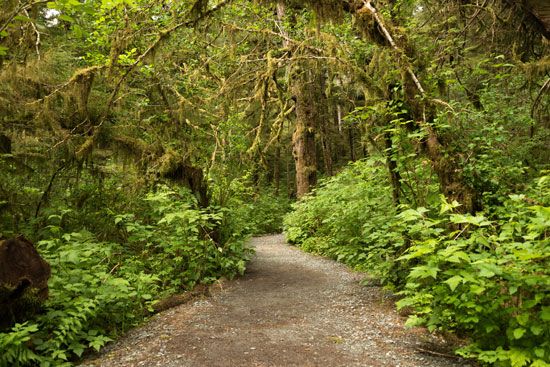
National Forests are administered by the U.S. Forest Service, which is part of the U.S. Department of Agriculture. These lands are managed under the principle of “multiple use,” meaning they are utilized for a variety of purposes, including timber harvesting, water conservation, grazing, and recreation, while ensuring the land remains productive for future generations.19
In contrast, while the provided search results do not detail the specific administrative structure of national parks, they clarify that national forests are distinct in their focus on balancing resource extraction and conservation. National forests were established to provide essential resources like timber and clean water alongside public recreation, whereas national parks are typically managed with a primary focus on preservation and protection of natural or historical features.19
Sources
- U.S. Forest Service — Encyclopædia Britannica
- Gifford Pinchot — Encyclopædia Britannica
- Theodore Roosevelt - The Square Deal of Theodore Roosevelt — Encyclopædia Britannica
- prescribed fire — Encyclopædia Britannica
- Forest fire — Encyclopædia Britannica
- Brush fire — Encyclopædia Britannica
- Playing with Wildfire: 5 Amazing Adaptations of Pyrophytic Plants — Encyclopædia Britannica
- Wildfire: Top Questions — Encyclopædia Britannica
- national forest — Encyclopædia Britannica
Published on · 3 min read