Do Plants Feel Pain?
Plants do not feel pain because they lack nerves, a brain, and pain receptors. While they do not experience suffering, they are capable of sophisticated…

Do Plants Feel Pain?
Plants do not feel pain because they lack nerves, a brain, and pain receptors. While they do not experience suffering, they are capable of sophisticated responses to their environment.1
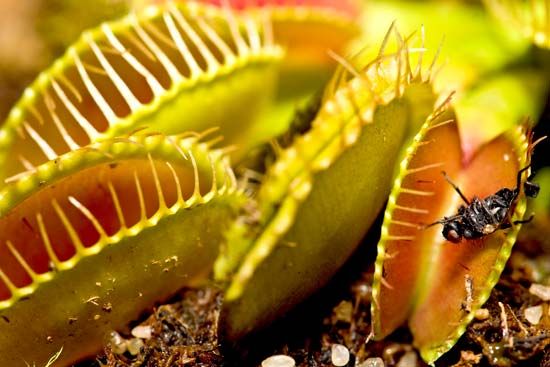
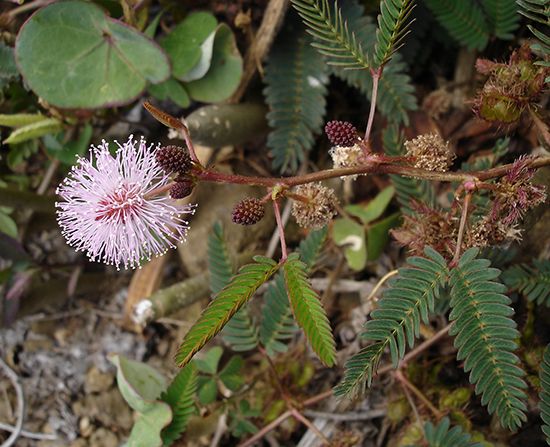
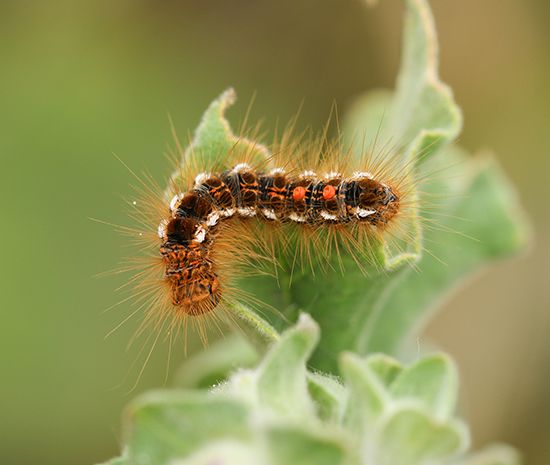
Some plants exhibit clear sensory capacities, such as the Venus flytrap closing its traps or the sensitive plant collapsing its leaves when touched. Furthermore, research indicates that plants like Arabidopsis can perceive mechanical damage, such as that caused by caterpillars or aphids, and transmit electrical signals to trigger chemical defenses.1
It is important not to anthropomorphize these reactions; these electrical signals are not equivalent to the pain experienced by members of the animal kingdom. Unlike animals, which possess mechanoreceptors that help detect and respond to harmful stimuli, plants rely on these signals for survival and adaptation rather than the processing of painful sensations.12
How do plants communicate with each other when they are under attack?
Plants employ sophisticated methods to communicate and defend themselves when under attack, acting as a botanical “smoke signal” system to warn nearby compatriots of impending threats.1
When plants are subjected to stress—such as drought, microbial infection, or browsing by insects—they release volatile organic compounds (VOCs). These airborne chemicals trigger physiological reactions in neighboring plants, prompting them to increase their own concentrations of toxic compounds or release substances that attract the predators of the attacking pests.1
Beyond airborne signals, plants also communicate through:
- Root signaling: Chemicals released directly into the soil can serve as a medium for communication between plants.1
- Fungal networks: Plants can utilize networks of fungal symbionts, known as mycorrhiza, to transmit information.31
- Electrical signaling: Within an individual plant, such as the Arabidopsis mustard plant, electrical signals are sent from leaf to leaf upon physical damage to rapidly ramp up chemical defenses.4
What is the difference between nociception and the emotional experience of pain?
The distinction between nociception and the emotional experience of pain lies in the difference between a physiological reflex and a complex psychological state.
Nociception is the biological process of detecting and responding to potentially harmful stimuli. It involves specialized nerve fibers—nociceptors—that convert mechanical, thermal, or chemical stimuli into electrical impulses. These signals are transmitted to the spinal cord, where they may trigger immediate reflex actions. Nociception is a sensory mechanism that serves as a warning system for the body, but it does not inherently include the conscious feeling of suffering.567
The emotional experience of pain occurs when these signals reach the brain and are processed alongside memories, emotions, and cultural context. While the thalamus helps localize the sensation, the medial nuclei of the thalamus and various regions of the cerebral cortex are responsible for the unpleasant, affective, and autonomic components of pain. This subjective experience is influenced by factors such as anxiety, depression, and past experiences, making pain a multifaceted perception rather than a simple reflex.618
How do plants like the Venus flytrap detect touch without a nervous system?
The Venus flytrap (Dionaea muscipula) detects touch through a specialized sensory system that does not require a nervous system, brain, or pain receptors.91
The plant’s leaves are equipped with six sensitive trigger hairs—three on each of the two lobes. When an insect alights on a leaf and stimulates these hairs, the plant initiates a rapid mechanical response. In typical daytime temperatures, the lobes can snap shut in approximately half a second to enclose the prey.91
While this movement appears highly responsive, it is a biological adaptation for survival rather than a conscious experience. Plants perceive and respond to mechanical stimuli at a cellular level, often utilizing electrical signals to communicate damage or trigger defensive actions. However, these processes are distinct from the animal experience of pain; plants lack the neurological architecture required to feel suffering, and their evolutionary responses are driven by survival rather than sentient awareness.1
Sources
- Do Plants Feel Pain? — Encyclopædia Britannica
- Mechanoreception — Encyclopædia Britannica
- mycorrhiza — Encyclopædia Britannica
- Botanical Barbarity: 9 Plant Defense Mechanisms — Encyclopædia Britannica
- pain - Physiology of pain — Encyclopædia Britannica
- nociceptive — Merriam-Webster
- human nervous system - Brain — Encyclopædia Britannica
- pain - Psychology of pain — Encyclopædia Britannica
- Venus flytrap — Encyclopædia Britannica
- Venus flytrap — Merriam-Webster
Published on · 3 min read