Mount Carmel
Mount Carmel is a significant location for both paleoanthropology and religious history. Its limestone caves have yielded critical evidence regarding human…
What are some notable archaeological sites or discoveries associated with Mount Carmel?
Mount Carmel is a significant location for both paleoanthropology and religious history. Its limestone caves have yielded critical evidence regarding human evolution and ancient cultural practices.
Paleoanthropological Sites
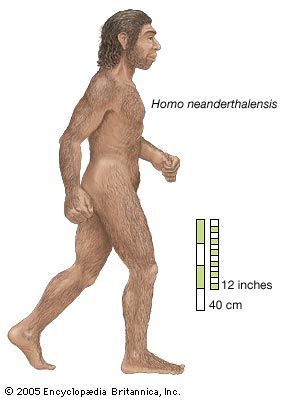
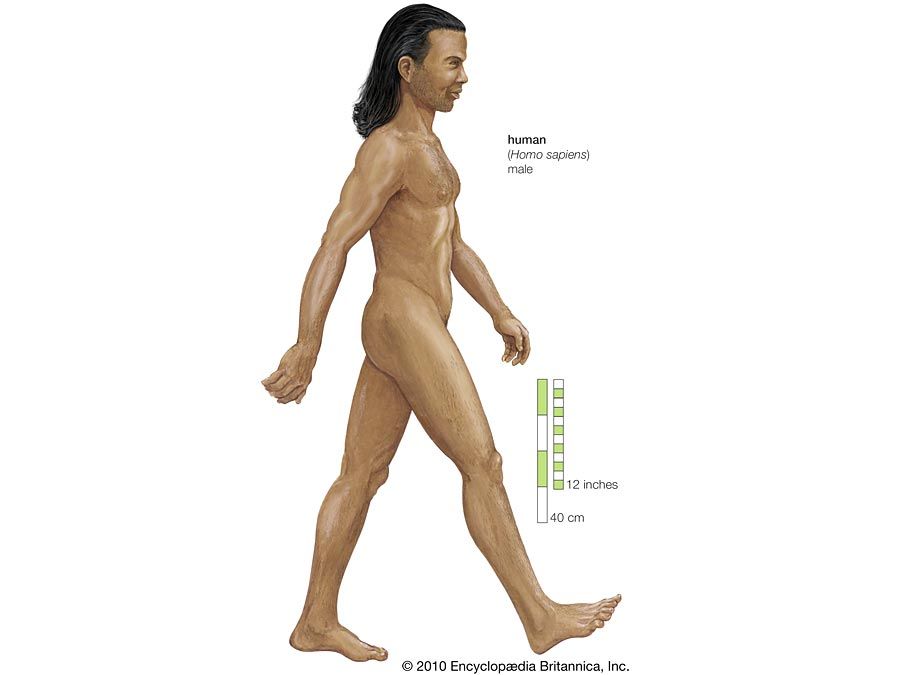
Excavations in the early 20th century revealed that the region was inhabited by both Neanderthals and early modern humans (Homo sapiens):
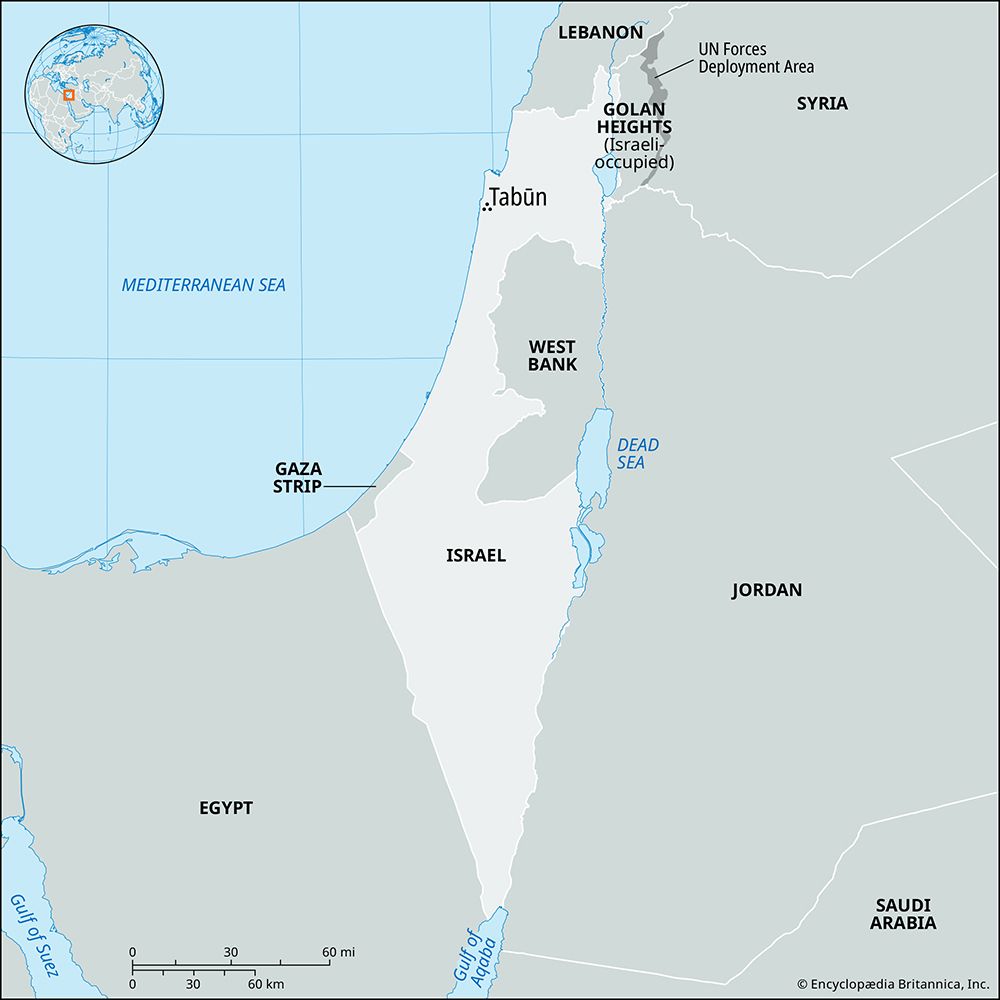
- Tabūn: This rock shelter provides a vital record of stone-tool evolution from the Lower and Middle Paleolithic periods. Fossils found here suggest that Neanderthals and early modern humans alternately occupied the region based on shifting climate conditions.1
- Skhūl: Known for the discovery of early H. sapiens remains dating from 120,000 to 80,000 years ago, this site provides evidence of intentional burials and the use of the Mousterian industry tool tradition.2
Religious and Historical Sites
Mount Carmel is also renowned for its deep spiritual associations:
- Elijah’s Cave: Traditionally linked to the prophet Elijah, this site is a place of pilgrimage for Jews, Christians, and Muslims. Excavations in the 1950s uncovered the cave, which features ancient inscriptions and an altar.3
How has Mount Carmel been important in human history and settlement?
Mount Carmel has served as a pivotal site for human history, bridging the gap between prehistoric evolution and the development of major religious traditions.
Paleoanthropological Significance
The limestone caves of Mount Carmel provide a critical record of human evolution in southwestern Asia. Excavations at sites like Tabūn and Skhūl have revealed that the region was alternately occupied by Neanderthals and early modern humans (Homo sapiens) between 300,000 and 50,000 years ago, depending on shifting climate conditions. These sites offer essential data on stone-tool manufacturing, such as the Mousterian industry, and provide evidence of early intentional burials.312
Religious and Cultural History
Mount Carmel has been venerated as a “holy mountain” since at least the 16th century BCE. It is most famously associated with the biblical prophet Elijah, who is said to have confronted the prophets of Baal on the mountain. Elijah’s Cave remains a significant pilgrimage site for Jews, Christians, and Muslims. Furthermore, the mountain served as the birthplace of the Carmelites, a Roman Catholic monastic order founded in the 12th century, which continues to maintain a presence near the traditional site of Elijah’s ministry.354
Where is Mount Carmel located in Israel and what are its geographic features?
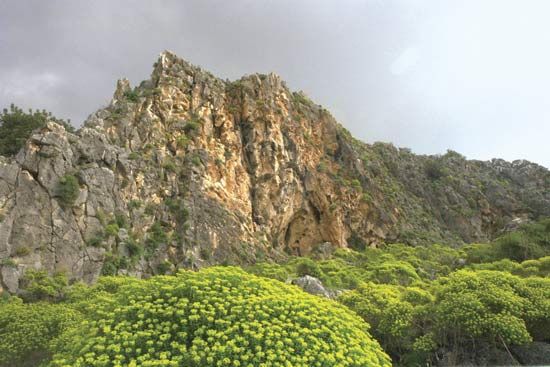
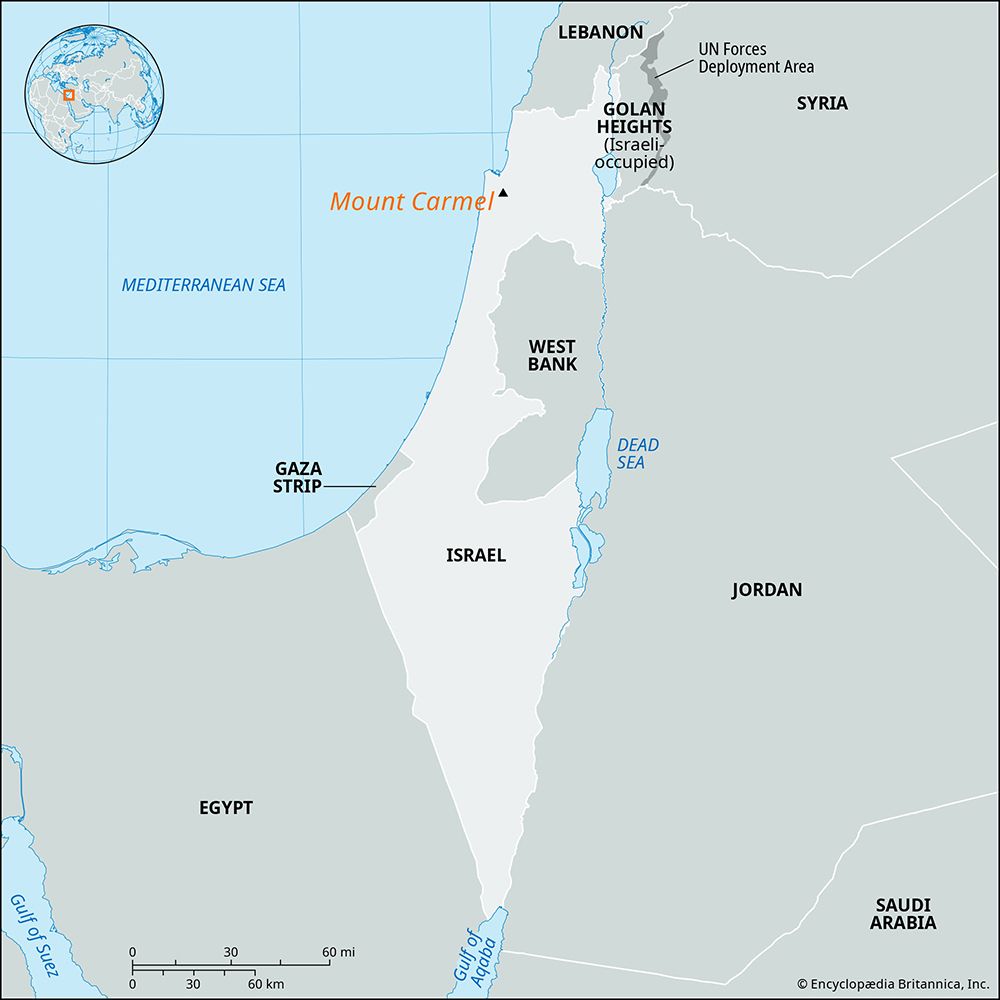
Mount Carmel is a prominent mountain ridge located in northwestern Israel. The city of Haifa is situated on its northeastern slope.
Geographic Features
- Structure: It is a northwest–southeast-trending limestone ridge approximately 16 miles (26 km) long, covering an area of about 95 square miles (245 square km).
- Elevation: The highest point reaches 1,791 feet (546 meters) above sea level, located northwest of the village of ʿIsfiyā.
- Topography: The ridge serves as a divider between the Plain of Esdraelon and the Galilee to the east and north, and the coastal Plain of Sharon to the south. Its seaward point, Rosh ha-Karmel (Cape Carmel), extends nearly to the Mediterranean Sea.
- Environment: The name is derived from the Hebrew kerem (“vineyard” or “orchard”), reflecting its historical fertility. The slopes feature extensive woods and parks, much of which is protected within the Carmel Nature Reserve.
How has Mount Carmel been represented in art and literature throughout history?
Sorry, the Britannica knowledge base does not contain information regarding the representation of Mount Carmel in art and literature. The provided search results focus on the mountain’s geography, its significance as a site of human evolution, and its role in biblical history and the founding of the Carmelite order.
Sources
- Tabūn — Encyclopædia Britannica
- Skhūl — Encyclopædia Britannica
- Mount Carmel — Encyclopædia Britannica
- 11 Caves That Made History - Elijah’s Cave — Encyclopædia Britannica
- Carmelite: Top Questions — Encyclopædia Britannica
- Carmel, Mount — Merriam-Webster
Published on · 3 min read