11 Caves That Made History
While the Britannica knowledge base identifies many notable caves worldwide, it does not provide a single, definitive list titled "11 Caves That Made…
What are 11 Caves That Made History?
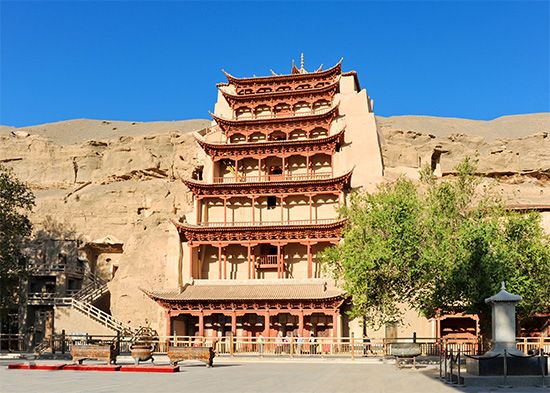
While the Britannica knowledge base identifies many notable caves worldwide, it does not provide a single, definitive list titled “11 Caves That Made History.” However, several caves are globally recognized for their immense historical, archaeological, and cultural significance.
Here are some of the most historically significant caves:
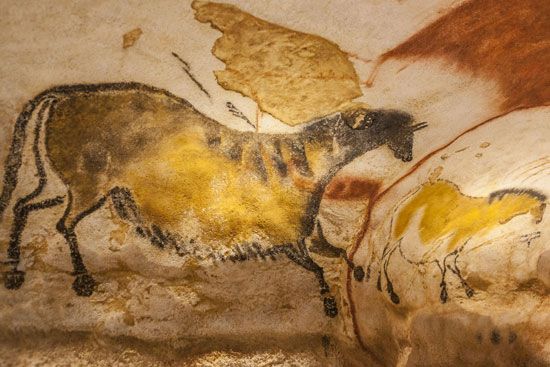
- Lascaux (France): Famous for its extensive collection of Paleolithic cave paintings, including depictions of animals and symbols dating back approximately 17,000 years.12
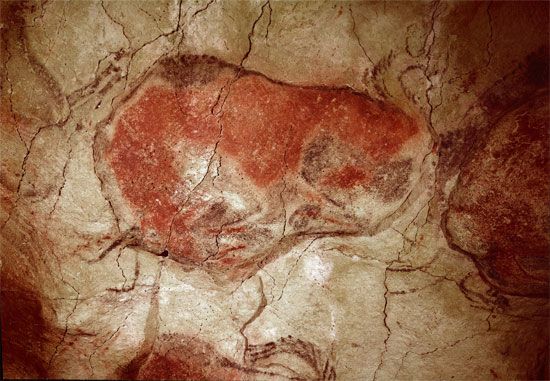
- Altamira (Spain): The first cave where Paleolithic cave paintings were acknowledged, featuring vivid bison figures and other prehistoric art.2
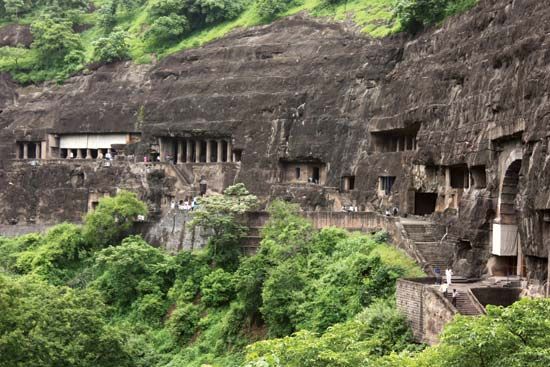
- Ajanta Caves (India): A series of rock-cut Buddhist temples and monasteries dating from the 1st century BCE to the 7th century CE, renowned for their exquisite fresco-style paintings.3
- Creswell Crags (England): A site containing the most northerly Ice Age cave art ever found in Britain, providing vital evidence of Paleolithic human occupation.4
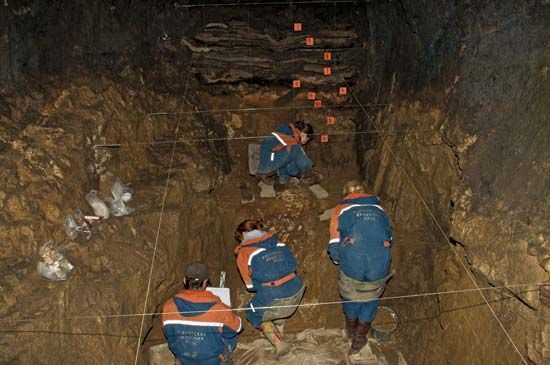
- Denisova Cave (Russia): A crucial site for understanding human evolution, known for yielding remains of a previously unknown hominin group, the Denisovans.5
How do archaeologists determine the age of cave paintings?
Archaeologists determine the age of cave paintings using a variety of scientific methods, primarily focusing on absolute dating techniques that provide specific chronological data.8
Key Dating Methods
- Radiocarbon Dating: This is the most common method for dating organic materials found in caves, such as charcoal used in drawings, torch marks on walls, or animal bones. By measuring the remaining radioactive carbon-14 in these samples and comparing it to levels in living organic matter, scientists can estimate the age of the material. This technique has been revolutionary in establishing absolute chronologies for prehistoric sites.8910
- Uranium-Series Dating: This method is particularly useful for geologically young materials where other isotopes may be difficult to measure. It relies on the decay chains of uranium and thorium isotopes, which can provide precise dates for materials like cave formations or associated remains.11
- Paleomagnetic Dating: By analyzing iron-bearing magnetic particles within cave sediments, researchers can determine the position of the Earth’s magnetic field at the time the sediment was deposited. This record is then correlated with the established geomagnetic polarity time scale to estimate the age of the deposits.12
Relative Dating
In addition to absolute methods, archaeologists use stratigraphy—the study of rock layers—to establish relative chronology. Based on the law of superposition, older layers are typically found beneath younger ones, allowing researchers to determine the relative age of artifacts found within those specific deposits.813
What are the main differences between caityas and viharas in the Ajanta Caves?
At the Ajanta Caves, the rock-cut structures are primarily categorized into two distinct types based on their function: caityas and viharas.16
Caityas (Sanctuaries)
- Function: These served as prayer halls or temples intended for congregational worship.1716
- Architecture: They are typically designed as apsidal (semicircular) halls. The interior features a central rectangular nave separated from side aisles by two rows of pillars.1718
- Key Feature: At the apsidal end of the hall, there is a stupa—a domed structure housing sacred relics—which serves as the primary focus of worship for the gathered congregation.1817
Viharas (Monasteries)
- Function: These served as residential monasteries for monks. Originally developed to provide shelter during the rainy season, they evolved into permanent monastic settlements.1716191
- Architecture: The layout typically consists of a central “courtyard” or congregation hall.17
- Key Feature: Small cells for monks are carved into the walls surrounding the central hall. While originally simple, these spaces often took on a sacred character over time as images of the Buddha and small stupas were installed within them.1917
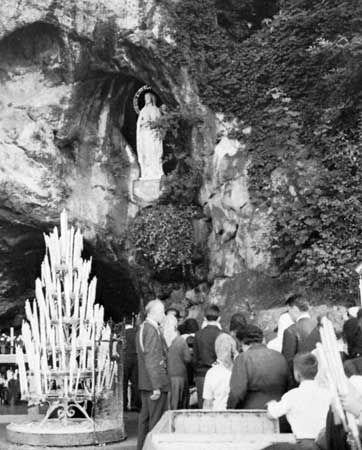
Why is it necessary to create replicas of famous caves like Lascaux?
Creating replicas of famous sites like Lascaux is necessary to protect the original cave from irreversible environmental damage caused by human presence.
When the original cave was opened to the public in 1948, the influx of up to 100,000 annual visitors created a destructive microclimate. The humidity from human breath, combined with dust and pollen tracked in on shoes, caused the prehistoric paintings to fade and triggered the growth of harmful algae, bacteria, and crystals. This activity resulted in the loss of significant archaeological material and information.222
To halt this deterioration, the cave was closed in 1963. Conservation efforts were then implemented to reverse the damage caused by microorganisms and stabilize the environment. Because the site remains fragile—with recurring issues like bacterial growth noted as recently as 2001—replicas such as Lascaux II were created to allow the public to experience the art without compromising the integrity of the original, irreplaceable prehistoric art.222
Sources
- Ajanta Caves — Encyclopædia Britannica
- Lascaux — Encyclopædia Britannica
- Rock art - Cave painting in Europe — Encyclopædia Britannica
- 11 Caves That Made History — Encyclopædia Britannica
- Creswell Crags — Encyclopædia Britannica
- cave - Evolution and demise of solution caves — Encyclopædia Britannica
- list of caves — Encyclopædia Britannica
- Archaeology - Dating — Encyclopædia Britannica
- Chauvet–Pont d’Arc — Encyclopædia Britannica
- Altamira — Encyclopædia Britannica
- Cave art — Encyclopædia Britannica
- stratigraphy — Encyclopædia Britannica
- dating - Uranium-series disequilibrium dating — Encyclopædia Britannica
- cave - Solutional sculpturings — Encyclopædia Britannica
- dating - Lead-210 dating — Encyclopædia Britannica
- caitya — Encyclopædia Britannica
- vihara — Encyclopædia Britannica
- South Asian arts - Early Indian architecture (2nd century bc –3rd century ad ) — Encyclopædia Britannica
- 11 Caves That Made History - Ajanta Caves — Encyclopædia Britannica
- 11 Caves That Made History - Ellora Caves — Encyclopædia Britannica
- Buddhism - Sanghas — Encyclopædia Britannica
- 11 Caves That Made History - Lascaux Cave — Encyclopædia Britannica
- cave - Stagnation and decay phases — Encyclopædia Britannica
Published on · 4 min read