Mount Gerizim
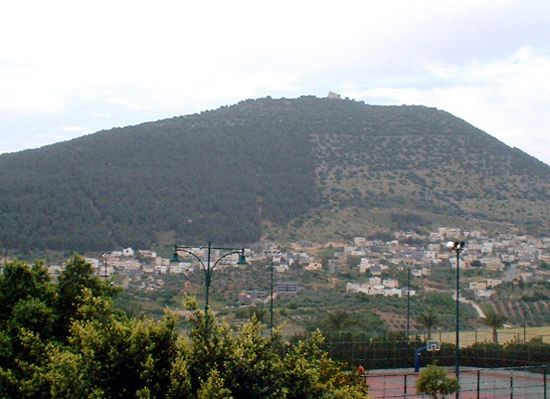
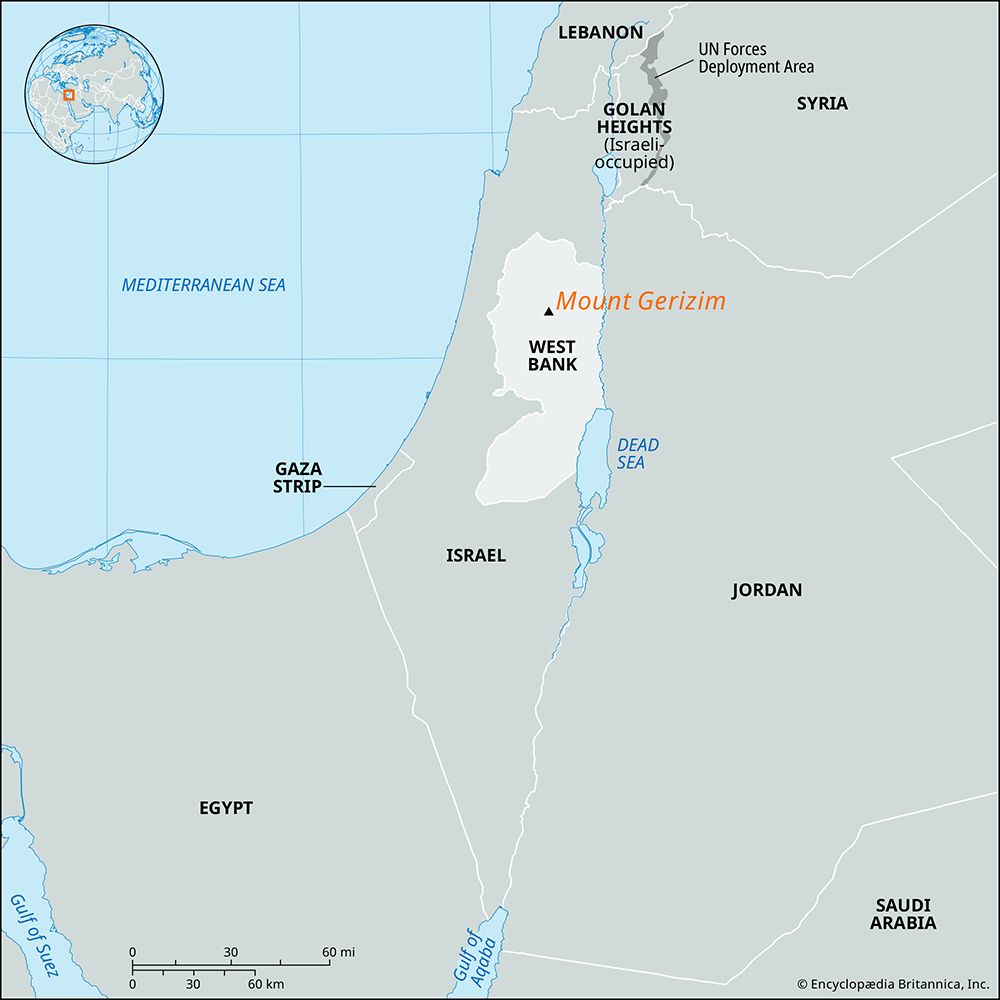
Mount Gerizim has held significant strategic and religious importance since antiquity. Located in the West Bank near the ancient city of Shechem, it is…
What role did Mount Gerizim play in ancient Israelite history?
Mount Gerizim has held significant strategic and religious importance since antiquity. Located in the West Bank near the ancient city of Shechem, it is famously identified in the Hebrew Bible as the site where God commanded blessings to be pronounced upon the people of Israel, a ceremony later carried out during the time of Joshua.1
The mountain is central to the identity of the Samaritans, who view it as the true holy site for worship. During the early Second Temple period, they constructed a sanctuary on its summit, directing their prayers toward the mountain rather than Jerusalem. Samaritans interpret their version of the Torah as designating Mount Gerizim as the chosen place of God. To this day, the small remaining Samaritan community continues to perform the sacrifice of the Paschal lamb on the mountain’s slopes during Passover, maintaining ancient traditions that predate the Babylonian Exile.1
How does Mount Gerizim compare to other religiously significant mountains in the region?
Mount Gerizim serves as a distinct religious focal point when compared to other significant mountains in the region, primarily due to its role as the central sanctuary for the Samaritan community rather than the Jewish tradition centered on Jerusalem.1
- Mount Gerizim vs. Jerusalem: While Jerusalem and its Temple Mount became the normative site for Jewish worship, Samaritans interpret their version of the Torah to designate Mount Gerizim as the true chosen place of God. Consequently, Samaritans have historically directed their prayers toward Gerizim, maintaining a distinct religious identity that predates the Babylonian Exile.1
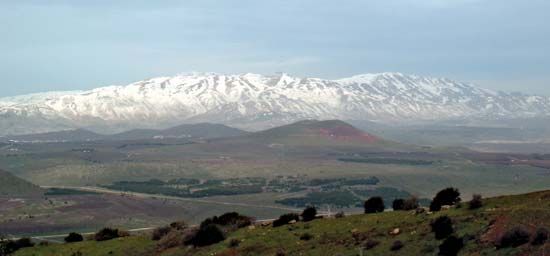
- Strategic and Symbolic Geography: Unlike Mount Hermon, which is a high, snowcapped ridge marking the northern territorial limits of ancient Israelite conquest, Mount Gerizim is a lower peak of strategic importance located in the central hill country near Shechem.12
- Ritual Continuity: Mount Gerizim remains unique for the continued practice of the Paschal lamb sacrifice on its slopes during Passover, a literal adherence to biblical injunctions that distinguishes its modern religious life from the sites in Jerusalem.1
What historical events or biblical stories are associated with Mount Gerizim?
Mount Gerizim is a site of profound historical and religious significance, deeply intertwined with both biblical narratives and the identity of the Samaritan community.
Biblical Associations
In the Hebrew Bible, Mount Gerizim is identified as the location where God commanded that blessings be pronounced upon the people of Israel (Deuteronomy 11:29). This ceremony was solemnly carried out during the time of Joshua (Joshua 8).1
Historical Developments
- Samaritan Sanctuary: During the early Second Temple period (4th century BCE), the Samaritans built a temple on the mountain, asserting it was the site chosen by God for his dwelling, rather than Mount Zion in Jerusalem.14
- Conflict: This religious divergence became a major point of contention. In the 2nd century BCE, the Maccabean ruler John Hyrcanus destroyed the Samaritan temple on Mount Gerizim.4
- Modern Traditions: The mountain remains central to the Samaritan faith. The community continues to perform the sacrifice of the Paschal lamb on the mountain’s slopes during Passover, adhering to literal biblical injunctions.1
How is Mount Gerizim important in Samaritan religious beliefs?
For the Samaritan community, Mount Gerizim is the central pillar of their religious identity and practice. Their beliefs regarding the mountain include:
- The Chosen Place: While Jewish tradition identifies Mount Zion in Jerusalem as the site chosen by God for his dwelling, Samaritans interpret their version of the Torah to designate Mount Gerizim as the true, divinely selected location.14
- Historical Sanctuary: During the early Second Temple period, the Samaritans constructed a temple on the mountain to serve as their primary place of worship, directing their prayers toward it rather than toward Jerusalem.14
- Ritual Observance: The mountain remains the site of the Paschal lamb sacrifice performed during Passover. This ritual is conducted in literal adherence to biblical injunctions, maintaining a practice that distinguishes Samaritan religious life.1
- Community Center: Today, the mountain serves as a living center for the community, with many members residing on its slopes, including the high priest.4
Sources
- Mount Gerizim — Encyclopædia Britannica
- Jerusalem - Mamluk and Ottoman periods — Encyclopædia Britannica
- Mount Hermon — Encyclopædia Britannica
- Samaritan — Encyclopædia Britannica
Published on · 3 min read