Mount Tahan
Mount Tahan is the highest peak on the Malay Peninsula, reaching an elevation of 7,175 feet (2,187 meters). Located in West Malaysia, it serves as the…
What is Mount Tahan?
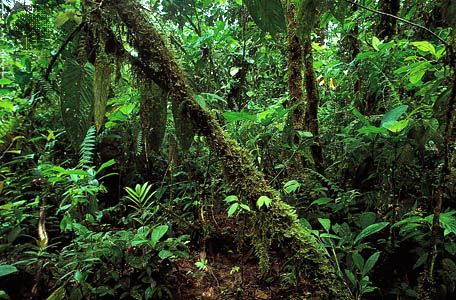
Mount Tahan is the highest peak on the Malay Peninsula, reaching an elevation of 7,175 feet (2,187 meters). Located in West Malaysia, it serves as the central feature of Taman Negara National Park, an ancient tropical rainforest estimated to be 130 million years old.12
The mountain is part of the Tahan Range, which is characterized by quartzite and shale soils that support only sparse vegetation. It is a popular destination for mountaineers, who typically begin their ascent from the park headquarters at Kuala Tahan. The surrounding national park is a significant ecological refuge, home to diverse wildlife such as elephants, tigers, and various rare mammals, as well as thousands of plant species.12
What makes Taman Negara one of the oldest rainforests in the world?
Taman Negara is widely recognized as one of the oldest tropical rainforests in the world, with an estimated age of approximately 130 million years.2
While the provided search results confirm this age, they do not detail the specific geological or climatic mechanisms that allowed this ecosystem to persist for such a vast period without being disrupted by the major environmental shifts that altered other global landscapes. The park’s longevity has fostered an incredibly rich biological environment, serving as a refuge for thousands of species of trees, flowering plants, and rare large mammals, including tigers, elephants, and the Sumatran rhinoceros.2
What rare animals live in the forests surrounding Mount Tahan?
The forests surrounding Mount Tahan, which are protected within Taman Negara National Park, serve as a vital refuge for many of Southeast Asia’s rare large mammals. These species rely on the park’s ancient, pristine environment for survival.2
Rare and notable animals found in this region include:
- Sumatran rhinoceroses: Among the rarest of all rhinoceros species, these animals are known for their ability to climb actively in mountainous terrain.21
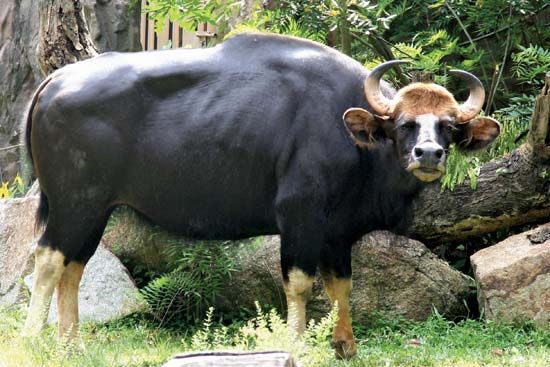
- Seladangs: A species of gaur, or wild cattle.2
- Malayan tapirs: Distinctive mammals that inhabit the dense forest cover.2
- Large predators: The park provides habitat for tigers, leopards, and bears.2
- Other mammals: The area also supports populations of elephants and Malayan sambars (Cervus unicolor equinus).2
In addition to these large mammals, the park is home to a wide variety of monkeys, such as long-tailed macaques, along with hundreds of bird species, reptiles, amphibians, and a vast array of exotic insects.2
How does the geography of the Tahan Range differ from the Main Range?
The geography of the Tahan Range and the Main Range differs significantly in composition, structure, and orientation:
- Geological Composition: The Main Range is primarily composed of granite with some patches of altered stratified rocks. In contrast, the Tahan Range is characterized by quartzite and shale soils, which support only sparse vegetation cover compared to the heavily forested Main Range.56
- Structure and Orientation: The Main Range is the most prominent mountain group on the Malay Peninsula, extending 300 miles southward from the Thai border. The Tahan Range runs roughly parallel to the Main Range, situated about 60 miles to the east. It extends south from Mount Tahan for approximately 75 miles across the tablelands of Terengganu before continuing as isolated hills toward the south-central peninsula and Singapore.56
- Elevation: While both ranges contain high peaks, Mount Tahan (7,175 feet) serves as the highest point on the peninsula, slightly exceeding the highest peak of the Main Range, Mount Korbu (7,162 feet).56
Sources
- Mount Tahan — Encyclopædia Britannica
- Taman Negara National Park — Encyclopædia Britannica
- Malaysia - Plant and animal life — Encyclopædia Britannica
- perissodactyl - Rhinoceroses — Encyclopædia Britannica
- Main Range — Encyclopædia Britannica
- Malaysia - Relief — Encyclopædia Britannica
Published on · 3 min read