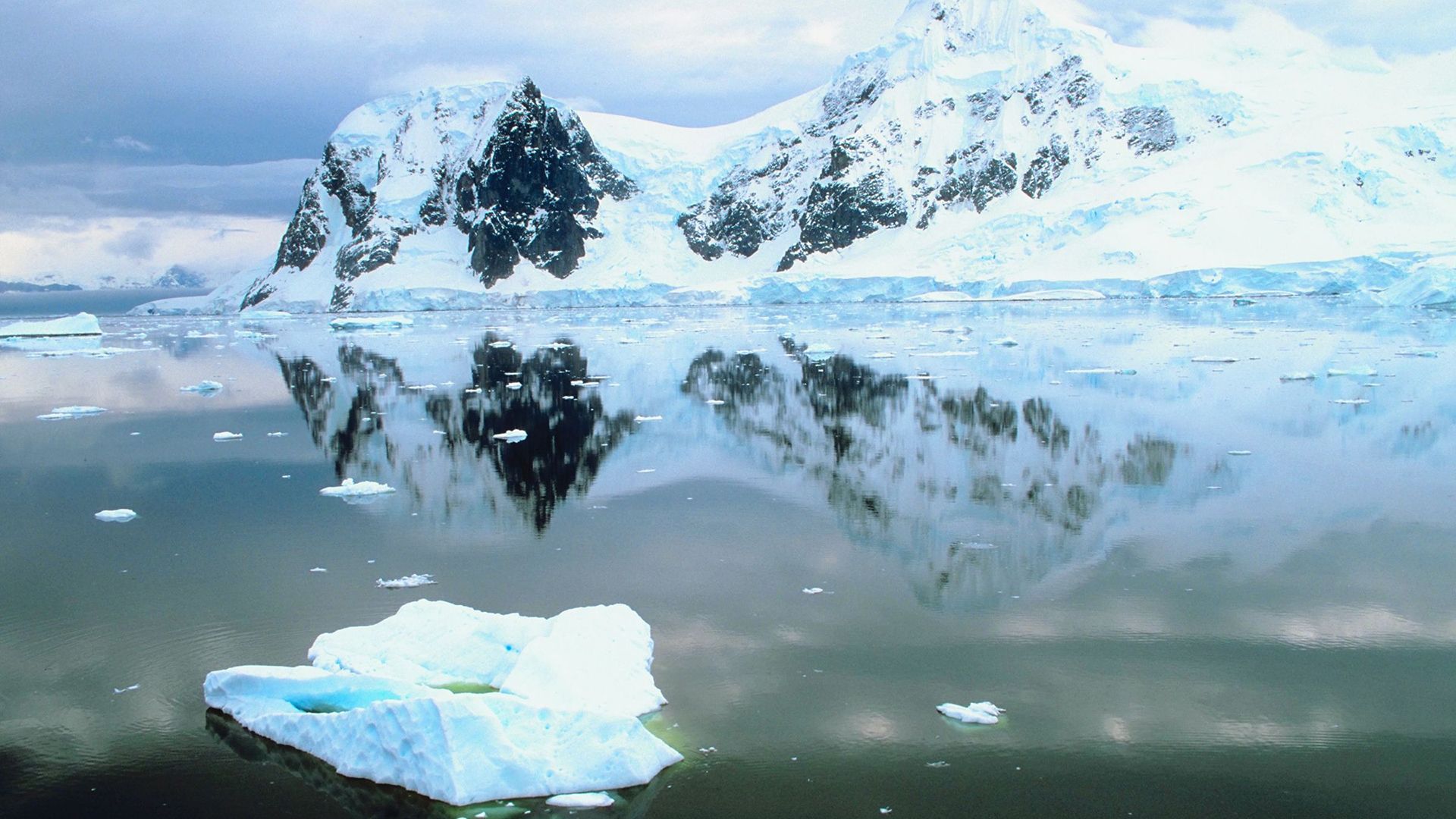
Mount Sidley
Mount Sidley is the tallest volcano in Antarctica, reaching an elevation of 14,058 feet (4,285 meters). Located in Marie Byrd Land, it is a shield volcano…
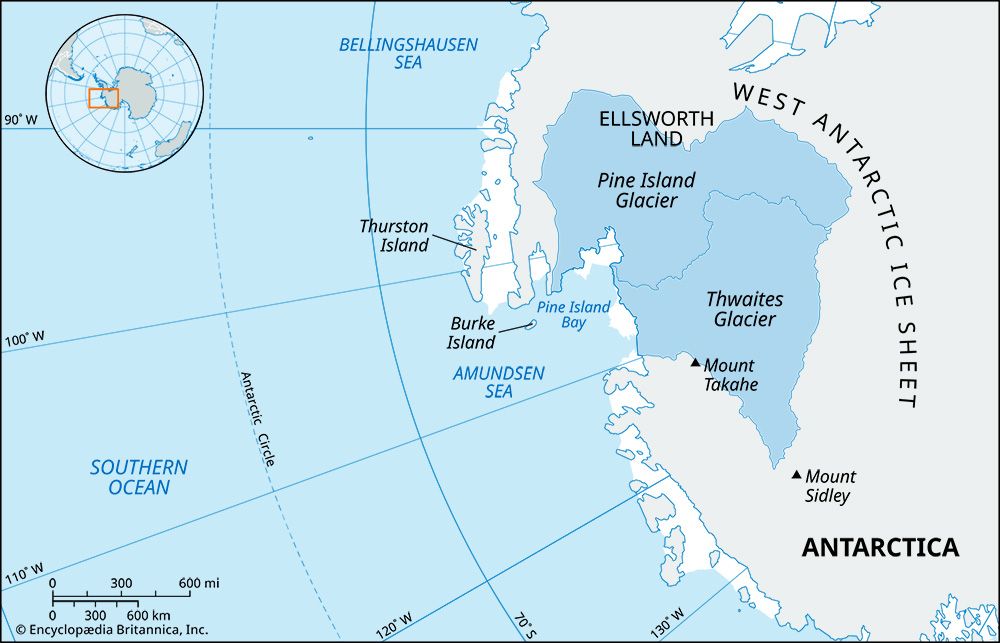
What is Mount Sidley?
Mount Sidley is the tallest volcano in Antarctica, reaching an elevation of 14,058 feet (4,285 meters). Located in Marie Byrd Land, it is a shield volcano and a member of the Executive Committee Range. It is also recognized as one of the Volcanic Seven Summits, representing the highest volcanic peaks on each of Earth’s seven continents.1
The mountain features a 3-mile-wide caldera formed by an eruption approximately 4.7 million years ago. While the volcano is considered dormant, seismic activity detected nearby in 2010 suggests potential ongoing geological processes. Discovered by Richard E. Byrd in 1934, the peak remains difficult to access due to its remote location and harsh climate, though it is considered a straightforward climb for experienced mountaineers once reached.1
What are the Volcanic Seven Summits?
The Volcanic Seven Summits are the highest volcanic peaks on each of the seven continents. Mountaineers identify these summits to highlight the unique challenges and geological significance of climbing the tallest volcanoes globally.
The generally accepted list includes:
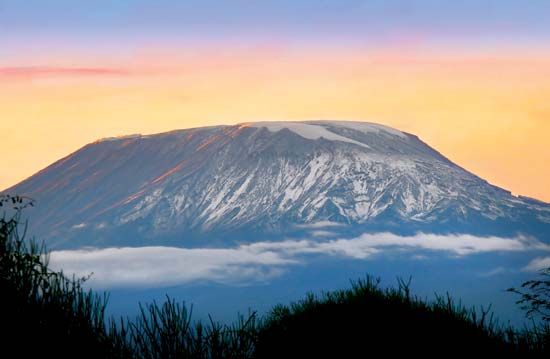
- Africa: Kilimanjaro (Tanzania), rising to 19,340 feet (5,895 meters).2
- Antarctica: Mount Sidley, reaching 14,058 feet (4,285 meters).2
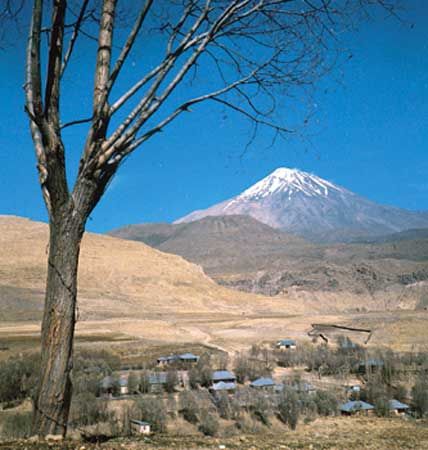
- Asia: Mount Damavand (Iran), which is the highest volcanic peak in Asia.
- Europe: Mount Elbrus (Russia), an extinct volcano reaching 18,510 feet (5,642 meters).2
- North America: Citlaltépetl (Mexico), standing at 18,619 feet (5,675 meters).3
- Oceania: Mount Giluwe (Papua New Guinea), the highest volcanic peak in the region.
- South America: Ojos del Salado (Argentina/Chile), the highest volcano in the world.
While the “Seven Summits” (the highest non-volcanic peaks) are a well-established mountaineering goal, the Volcanic Seven Summits offer a distinct challenge focused on volcanic terrain and high-altitude climbing.
How do shield volcanoes form?
Shield volcanoes are large, dome-shaped mountains formed over long periods—often spanning about 1 million years—by repeated effusive eruptions of fluid lava.45
The formation process involves the following key characteristics:
- Composition: These volcanoes are primarily composed of basalt, a dark volcanic rock that forms when very hot, fluid lava cools. Because this lava is less viscous than that of other volcano types, it flows easily and spreads across wide areas.456
- Structure: The lava flows down the sides of the volcano in a convex track, solidifying over time to create gentle slopes that rarely exceed 6°. This resulting shape resembles a warrior’s shield lying face-up.45
- Activity: Large shield volcanoes grow through hundreds of thousands of eruptions from their summits and rift zones. While they typically erupt effusively, some, such as those in the East African Rift, may also eject more viscous, silica-rich lavas like trachyte or rhyolite, which can lead to explosive activity.45
What is a volcanic caldera?
A caldera is a large, bowl-shaped volcanic depression typically exceeding one kilometer in diameter, rimmed by steep, inward-facing scarps.78
While often confused with smaller volcanic craters, a caldera is significantly larger and forms through the collapse of a volcanic cone or group of cones. This collapse occurs when the underlying magma reservoir is rapidly emptied during voluminous eruptions, leaving the surface without structural support. Contrary to older theories suggesting the mountain top was blown away by explosions, studies indicate that the majority of the material drops down into the void left by the retreating magma.78
Calderas can form on various types of volcanoes, including shield volcanoes, where they result from the removal of magma through rift eruptions or lateral intrusions. Over time, these depressions may host minor eruptions that build small cones on the floor, or they may fill with water to form lakes, such as Crater Lake in Oregon.897
Sources
- Mount Sidley — Encyclopædia Britannica
- The World’s Highest Mountains by Continent — Encyclopædia Britannica
- world’s major volcanoes — Encyclopædia Britannica
- volcano - Shield volcanoes — Encyclopædia Britannica
- Hayli Gubbi — Encyclopædia Britannica
- stratovolcano — Encyclopædia Britannica
- Did you know? — Merriam-Webster
- caldera — Encyclopædia Britannica
- volcano - Calderas — Encyclopædia Britannica
Published on · 3 min read