Mount Pelion
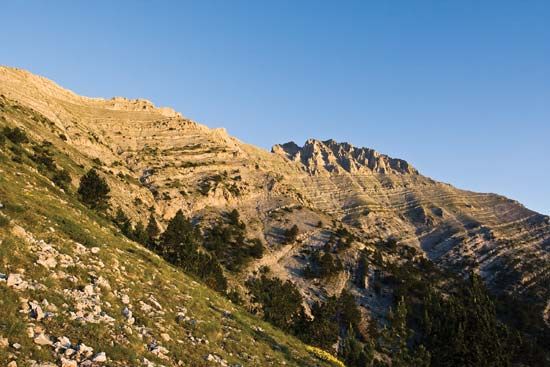
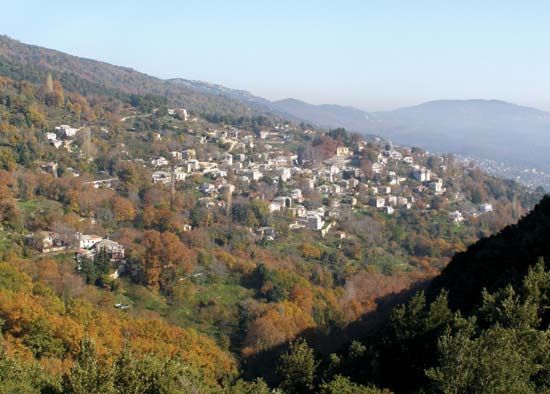
Mount Pelion (or Pílios) is a mountain located on the Magnesia peninsula of southeastern Thessaly, Greece. It reaches an elevation of 5,417 feet (1,651…
What is Mount Pelion?
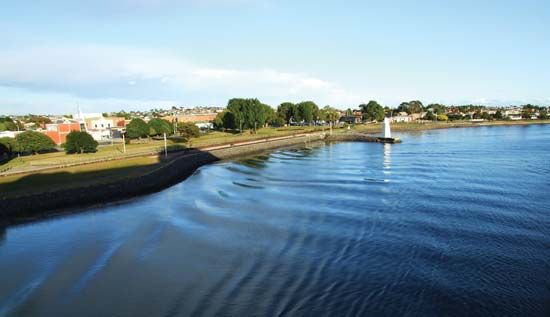
Mount Pelion (or Pílios) is a mountain located on the Magnesia peninsula of southeastern Thessaly, Greece. It reaches an elevation of 5,417 feet (1,651 meters) at its highest point. The mountain’s western flank is heavily wooded and overlooks a gulf that historically featured the ancient ports of Iolcos and Pagasae.12
In Greek mythology, Mount Pelion is famously known as the home of the Centaurs. Legend also suggests that the ship Argo, used by the Argonauts, was constructed from timber harvested from the mountain’s forests. Additionally, the mountain appears in myths involving giants who attempted to stack it atop Mount Ossa to reach the summit of Olympus, though they were defeated by Apollo before succeeding.1
Who was Chiron and why was he famous?
In Greek mythology, Chiron was a unique member of the Centaurs, born to the Titan Cronus and the sea nymph Philyra. He resided at the base of Mount Pelion in Thessaly.3
Chiron is famous for his exceptional wisdom and profound knowledge of medicine, traits that distinguished him from the typically violent and savage nature of other Centaurs. Because of his intellect and skill, he served as a renowned tutor to many legendary Greek heroes, including:34
- Heracles
- Achilles
- Jason
- Asclepius
His life ended after he was accidentally struck by a poisoned arrow belonging to Heracles. Choosing to renounce his immortality in favor of Prometheus, he was eventually placed among the stars as the constellation Centaurus.3
What is the story of the Argonauts and the ship Argo?
The Argonauts were a band of 50 heroes who accompanied Jason on the ship Argo to retrieve the Golden Fleece from Colchis. Jason undertook this quest to reclaim the throne of Iolcos from his uncle, Pelias, who had usurped it from Jason’s father.5
During their journey, the crew faced numerous perils, including navigating the Symplegades (clashing rocks) with the help of Athena. Upon reaching Colchis, Jason was tasked by King Aeëtes to perform impossible feats, such as yoking fire-breathing bulls. He succeeded only with the aid of the king’s daughter, the sorceress Medea, who fell in love with him and used her magic to protect him and put the fleece’s guardian dragon to sleep.56
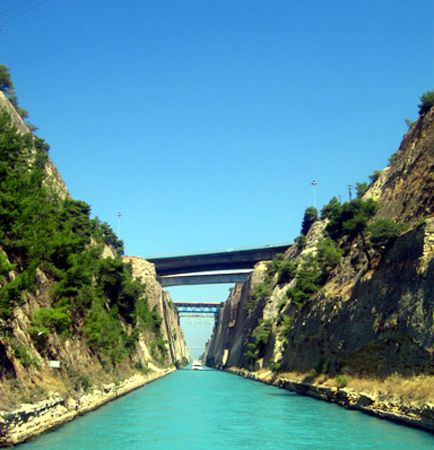
After securing the fleece and fleeing with Medea, the Argo eventually returned to Iolcos. The ship was later dedicated to Poseidon at the Isthmus of Corinth.5
How do Greek myths describe the home of the gods on Mount Olympus?
In Greek mythology, Mount Olympus was regarded as the divine abode of the gods, rather than merely a physical mountain. The ancient Greeks envisioned it as a realm situated above the clouds, beyond the reach of mortals.7
Key descriptions of this divine home include:
- The Summit: The peak was believed to be the gathering place for the 12 Olympians, where they convened to discuss affairs. It was also the site of Zeus’s throne, from which he governed the world and observed human conduct.789
- Atmospheric Conditions: According to Homer’s Odyssey, the summit was characterized by a lack of storms, basking instead in a cloudless, pure upper air known as aithēr (ether). This description likely stemmed from observations of the mountain’s peak appearing above low-lying cloud belts.8
- Divine Residents: Beyond the primary deities, other celestial figures such as the Muses, Eros, and the Horae were also believed to reside there.8
Sources
- Mount Pelion — Encyclopædia Britannica
- Greece - Eastern Greece: Thessalía and Attikí — Encyclopædia Britannica
- Chiron — Encyclopædia Britannica
- Chiron — Merriam-Webster
- Argonaut — Encyclopædia Britannica
- Medea — Encyclopædia Britannica
- Mount Olympus: Top Questions — Encyclopædia Britannica
- Mount Olympus — Encyclopædia Britannica
- Zeus - Supremacy over gods and monsters — Encyclopædia Britannica
- Olympia - The remains of Olympia — Encyclopædia Britannica
Published on · 3 min read