Novarupta
The major eruption of Novarupta began on June 6, 1912, and lasted for 60 hours. It is recognized as the largest volcanic eruption of the 20th century.
When did the major eruption of Novarupta occur and how significant was it?
The major eruption of Novarupta began on June 6, 1912, and lasted for 60 hours. It is recognized as the largest volcanic eruption of the 20th century.1
The event was profoundly significant due to its massive scale and environmental impact:
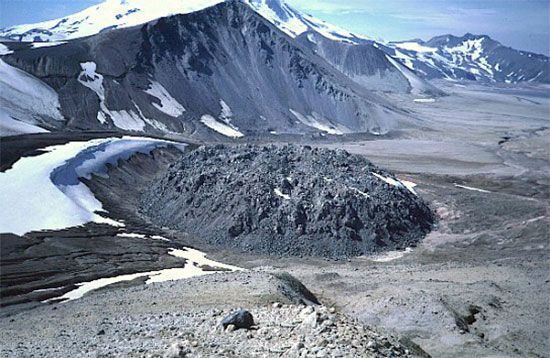
- Ejecta: It released approximately 28 cubic km of tephra into the stratosphere, burying nearby regions in deep ash and creating the Valley of Ten Thousand Smokes.1
- Geological Change: The depletion of the magma chamber caused Mount Katmai to collapse, forming a massive caldera.1
- Global Reach: Ash and aerosols traveled as far as Algeria and are believed to have influenced global weather patterns, including a drought in China and a weakened monsoon in India.1
- Ecological Toll: While there were no human fatalities, the eruption devastated local ecosystems, causing widespread starvation among wildlife and forcing the permanent abandonment of several native villages.1
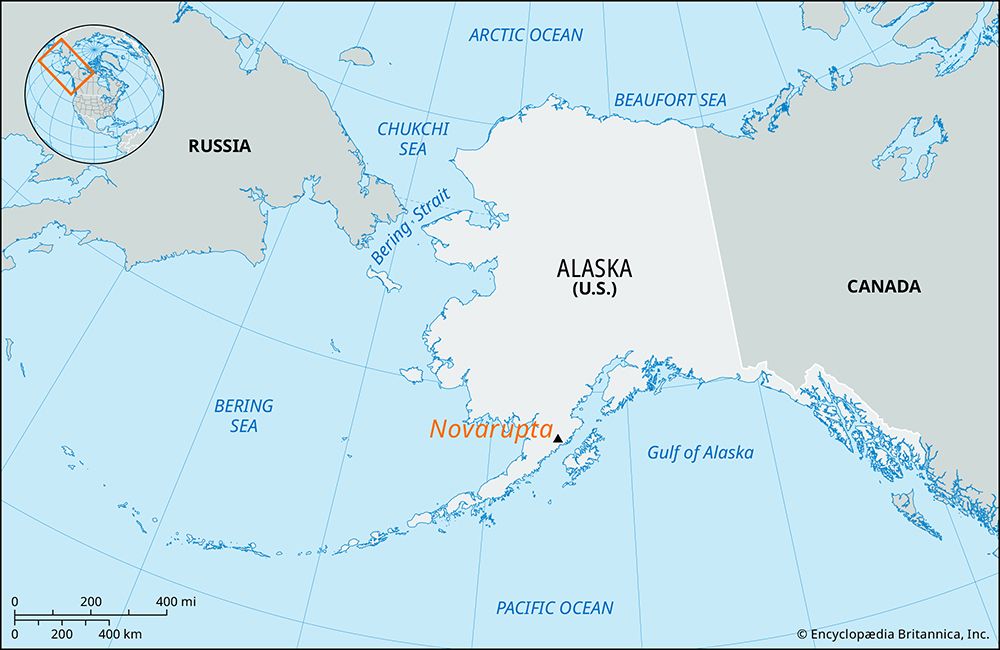
How did the Novarupta eruption affect the surrounding landscape and environment?
The 1912 eruption of Novarupta caused catastrophic changes to the Alaskan landscape and environment. The event ejected approximately 28 cubic km of tephra, burying nearly 7,800 square km in deep ash and transforming a lush green valley into the Valley of Ten Thousand Smokes. In this area, pyroclastic flows deposited ash and rock up to 200 meters deep, while scorching winds carbonized trees on nearby mountainsides.12
The environmental impact was severe:
- Ecological Devastation: All local plant and animal life was destroyed. Tens of thousands of birds and mammals perished from starvation and respiratory distress, and the salmon fishery suffered for years.12
- Geological Transformation: The depletion of magma chambers caused Mount Katmai to collapse, forming a massive caldera.12
- Global Effects: Ash and sulfuric aerosols reached as far as Algeria, contributing to global climate shifts, including droughts and weakened monsoons.12
How did the Novarupta eruption impact local wildlife and ecosystems?
The 1912 eruption of Novarupta caused widespread devastation to the local environment and wildlife in southern Alaska. The massive release of tephra and pyroclastic flows completely destroyed all plant and animal life in the immediate vicinity, transforming the landscape into the Valley of Ten Thousand Smokes.12
The impact on wildlife and ecosystems included:
- Mass Mortality: Tens of thousands of mammals and birds perished due to starvation and respiratory distress caused by the heavy, choking ash.1
- Fishery Collapse: The regional salmon fishery was severely impacted by the eruption and did not fully recover until 1919.1
- Habitat Destruction: Trees on surrounding mountainsides were carbonized by scorching winds, and the region’s mosquito population was wiped out.12
- Slow Recovery: Plant life was extremely slow to return to the devastated valley, initially appearing only as moss and algae around fumaroles. While some higher plants have since taken root, the area remains largely unable to sustain animal life, serving only as an occasional transit point for moose and bear.2
How has tourism been affected by the presence of Novarupta in Katmai National Park?
The 1912 eruption of Novarupta fundamentally transformed the region, ultimately turning a site of geological catastrophe into a popular destination for visitors. While the eruption initially created a desolate, ash-filled wasteland known as the Valley of Ten Thousand Smokes, the area’s unique volcanic features have since drawn significant interest from the public.23
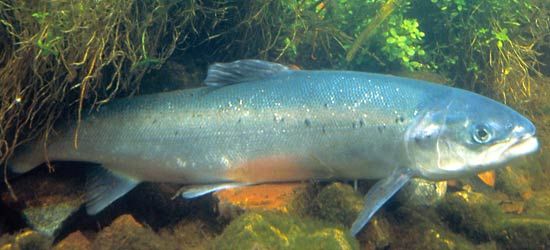
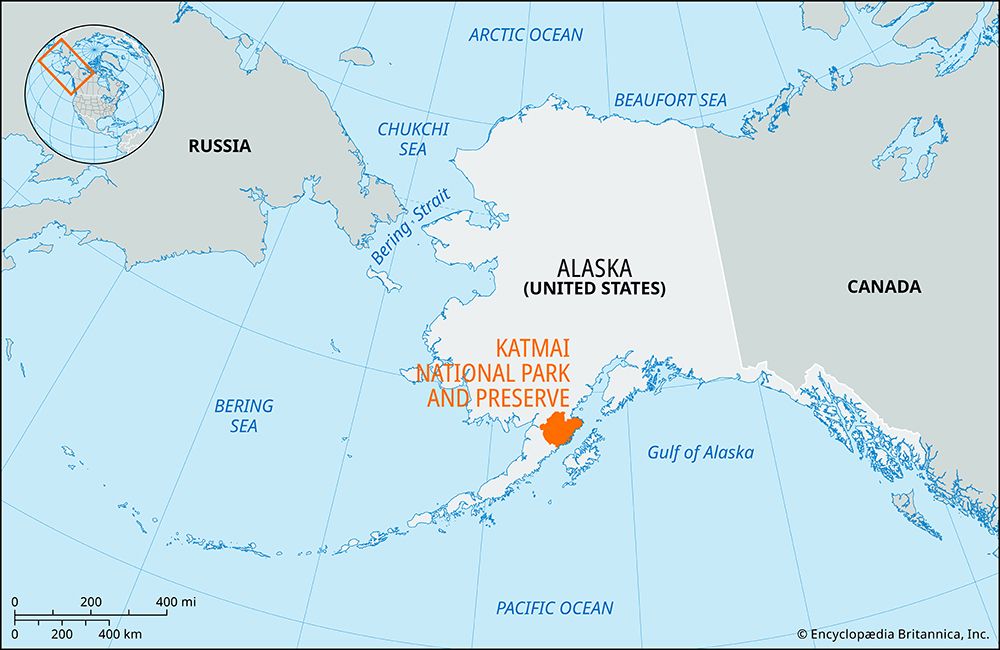
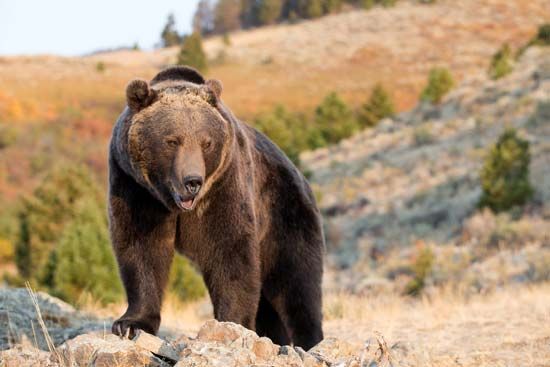
Today, the valley serves as a major tourist attraction within Katmai National Park and Preserve. Visitors can access this dramatic landscape via bus and foot from the National Park Service Lodge located at Brooks River. Beyond the volcanic valley, the park itself attracts many tourists who come to observe the region’s abundant wildlife, particularly the large populations of grizzly bears that gather to feed on sockeye salmon during the summer months salmon](https://www.britannica.com/animal/sockeye-salmon) during the summer months.23
Sources
- Novarupta — Encyclopædia Britannica
- Valley of Ten Thousand Smokes — Encyclopædia Britannica
- Katmai National Park and Preserve — Encyclopædia Britannica
Published on · 3 min read