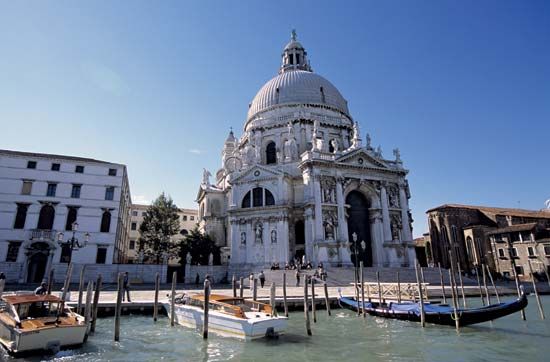
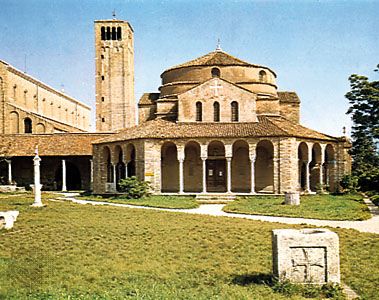
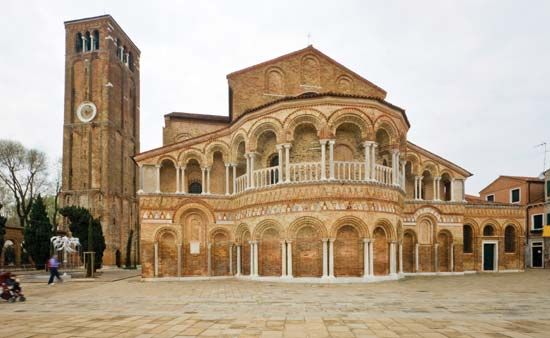
Murano
Murano, an island in the Venetian Lagoon, became the primary manufacturing center for Venetian glass after furnaces were relocated there from Venice in 1291.…
What are some of the most famous glass techniques developed on Murano?
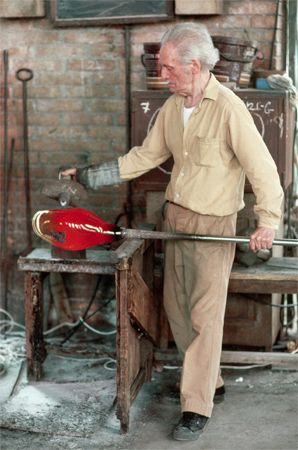
Murano, an island in the Venetian Lagoon, became the primary manufacturing center for Venetian glass after furnaces were relocated there from Venice in 1291. During the Renaissance, master glassblowers on the island developed several sophisticated techniques that transformed glassmaking into a refined art form.123
Some of the most famous techniques developed or perfected on Murano include:
- Cristallo: A clear, colorless glass developed in the 15th century to approximate the appearance of rock crystal.2
- Millefiori: An ancient technique revived and refined, where canes of multicolored glass are bonded together and sliced to reveal intricate, flowerlike patterns.2
- Latticinio: A method involving the incorporation of opaque, usually white, glass rods into the body of a vessel to create delicate, lace-like patterns.2
- Calcedonio: A technique used to simulate the appearance of marble and other semi-precious stones.2
- Diamond-engraving: Made possible by the high quality of Murano glass, this decorative technique became prominent in the 16th century.2
These innovations were highly guarded secrets, and glassmakers were often subject to severe penalties for attempting to share these methods abroad.2
What other industries or economic activities exist on Murano besides glassmaking?
While Murano is globally renowned as the historic center for Venetian glass production, the island’s economy today is primarily defined by this legacy and the associated tourism industry.14
The provided information does not detail other major industrial or economic sectors currently operating on Murano outside of glassmaking and tourism. Historically, small island settlements within the Venice Lagoon relied on traditional activities such as fishing, fowling, salt production, and horticulture; however, these activities are not cited as primary economic drivers for Murano itself in the current era. Today, much of the glass production on the island is oriented toward the tourist trade, with many items sold as trinkets for visitors.14
How has Murano’s glassmaking tradition influenced modern art and design?
Murano’s glassmaking tradition has profoundly influenced modern art and design by balancing historical techniques with evolving aesthetic movements. While the island’s artisans spent centuries guarding secrets like cristallo, millefiori, and latticinio, the 20th century marked a shift toward a more conscious spirit of artistry and innovation.53
The influence of this tradition on modern design is evident in several key ways:
- Artistic Collaboration: In the 1920s, designers like Vittorio Zecchin and artists such as Carlo Scarpa and Fulvio Bianconi collaborated with firms like Venini to create elegant, modern forms that retained a distinctly Venetian, volatile character.5
- Experimental Sculpture: The tradition expanded beyond functional vessels when dealers commissioned internationally prominent painters and artists to create glass sculptures from sketches and models, bridging the gap between traditional craft and fine art.5
- Technical Research: Firms like Barovier & Toso and Arte Vetraria Muranese conducted extensive research into new methods of coloring and figuring glass, pushing the boundaries of what the material could express.5
- Global Legacy: Although Murano’s techniques were once restricted, they eventually spread across Europe, forming the basis for the façon de Venise style that influenced glass production worldwide.3
What is the historical significance of Murano in relation to glassmaking?
Murano holds a central place in the history of glassmaking, primarily serving as the manufacturing hub for Venetian glass for centuries. Its historical significance is defined by several key factors:1
- Relocation and Specialization: In 1291, glass furnaces were moved from Venice to Murano to mitigate the risk of fire in the city. This consolidation transformed the island into a specialized manufacturing center, where artisans developed and guarded sophisticated techniques.137
- Technical Innovation: Murano was the birthplace of cristallo, a clear, colorless glass that mimicked rock crystal and became a major export. Artisans also mastered complex methods such as millefiori, latticinio, and enameling, which were jealously guarded to maintain a competitive advantage.74
- Strict Regulation: To protect these trade secrets, the Venetian government imposed severe penalties on glassmakers who attempted to leave or teach their methods to outsiders. Despite these restrictions, the eventual migration of artisans helped spread Italian glassmaking techniques across Europe, leading to the international façon de Venise style.74
- Cultural Legacy: The island remains a symbol of this craft, with its history preserved in the Museum of Glass Art (Museo Vetrario) at the Giustinian Palace.15
Sources
- Murano — Encyclopædia Britannica
- glassblowing — Encyclopædia Britannica
- Venetian glass — Encyclopædia Britannica
- Venice - Traditional industries — Encyclopædia Britannica
- glassware - Italy — Encyclopædia Britannica
- glass - Glassmaking over the centuries — Encyclopædia Britannica
- glassware - Venice and the façon de Venise — Encyclopædia Britannica
Published on · 3 min read