Venice
Venice became a major center for glassmaking due to its long-standing industry, which was well-established by the 7th century. In 1291, the Venetian…
How did Venice become a major center for glassmaking, and what is Murano glass?
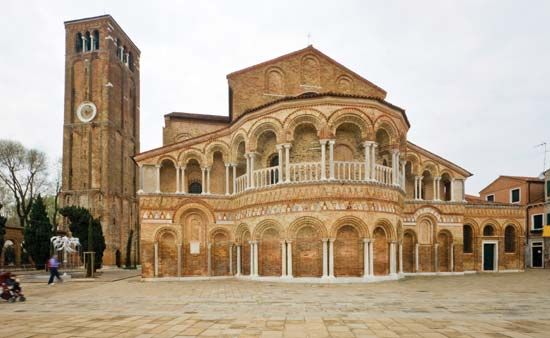
Venice became a major center for glassmaking due to its long-standing industry, which was well-established by the 7th century. In 1291, the Venetian government ordered all glass furnaces to be moved to the neighboring island of Murano to mitigate the risk of fire within the city.12
Murano glass refers to the high-quality glassware produced on this island. Following the relocation of the furnaces, Murano became the primary manufacturing hub for Venetian glass, which was exported throughout Europe. The industry reached its peak in the 16th century, during which Murano glassmakers perfected cristallo—a clear, colorless glass that mimicked rock crystal—and developed sophisticated techniques like millefiori and latticinio. To protect these trade secrets, the state strictly forbade glassworkers from leaving the island or sharing their methods, though many eventually defected and spread these techniques across the continent.3241
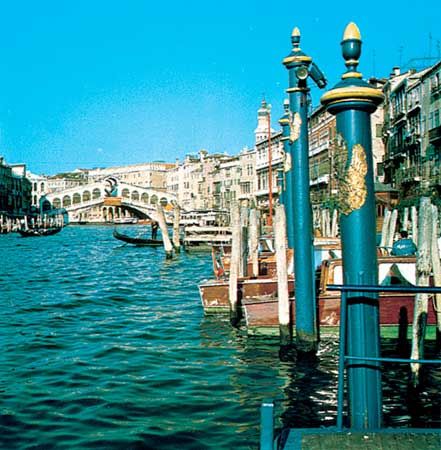
What is the unique geographical location of Venice and how does it impact the city’s structure?
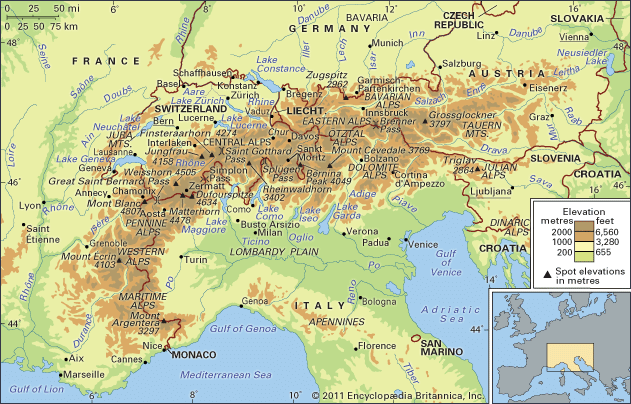
Venice is uniquely situated across an archipelago within the crescent-shaped Laguna Veneta (Venice Lagoon), a shallow coastal environment formed by the interaction of Adriatic Sea tidal currents and Alpine river waters.67
This geographical setting fundamentally dictated the city’s structure:
- Foundation: To build on the lagoon’s soft mud and clay, engineers drove millions of densely packed wooden piles—primarily alder and other hardwoods—deep into the ground. The lack of oxygen in the brackish water, combined with mineral hardening, has preserved these foundations for over a millennium.6
- Urban Network: The city expanded by connecting 118 islands via approximately 400 bridges and a complex maze of canals. The Grand Canal serves as the central artery, dividing the city and acting as the primary thoroughfare for water-based transport.68
- Pedestrian Design: Because automobiles are banned, Venice is a walking city. Its layout features narrow streets and squares that link the islands, supported by the canal system which historically functioned as a natural sewerage system flushed by daily tides.679
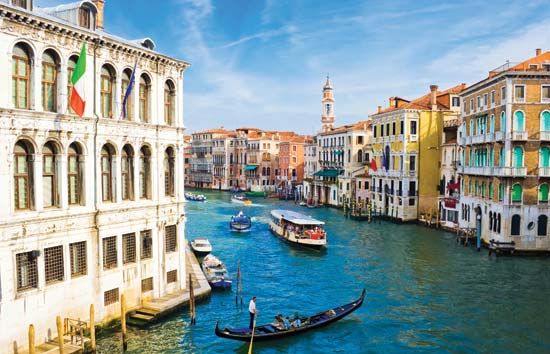
What are some of the most famous landmarks and architectural features of Venice?
Venice is renowned for its extraordinary architectural heritage, which reflects its history as a powerful maritime republic. Here are some of the city’s most iconic landmarks and features:
Iconic Landmarks
- San Marco Basilica: A masterpiece of Byzantine and Gothic design, this church is famous for its five domes, glittering gold-ground mosaics, and marble-inlaid floors. It originally served as the doge’s chapel and houses the remains of St. Mark.157
- Doges’ Palace: Located beside the basilica, this structure served as the political heart of Venice. It features a blend of Gothic, Moorish, and Renaissance traditions and is connected to the state prisons by the famous Bridge of Sighs.16
- Rialto Bridge: The oldest bridge crossing the Grand Canal, this 16th-century stone arch is a triumph of Renaissance engineering, supported by thousands of timber piles driven into the soft lagoon soil.176
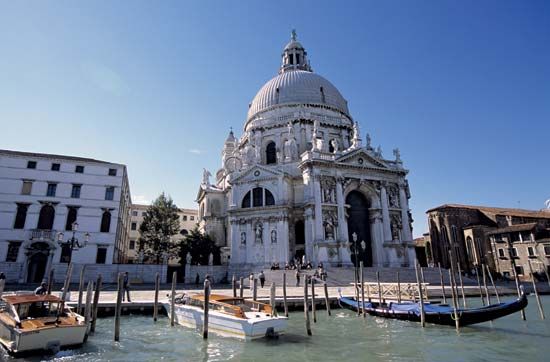
- Santa Maria della Salute: A grand Baroque basilica designed by Baldassare Longhena, recognizable by its massive, balloon-like domes and white stone steps rising from the Grand Canal.7
Architectural Features
- Palace Design: Venetian palazzi typically feature a piano nobile (upper floor) with a central salone lit by a distinctive group of windows, reflecting the internal arrangement of rooms.18
- Materials: Buildings often utilize brick faced with Istrian marble, a stone prized for its resistance to the city’s humid, saline air.18
- Stylistic Evolution: The city’s landscape showcases a transition from Byzantine arches and Gothic tracery to the symmetry and Classical vocabulary of the Renaissance and Baroque periods.18
What was the role of the Venetian Republic in trade between Europe and the East?
The Venetian Republic served as the vital entrepôt between Europe and the East, dominating trade routes that supplied the continent with Eastern wares and spices. Its commercial success was built upon a sophisticated maritime infrastructure and strategic political maneuvering.21
Foundations of Trade
Venice’s rise began in 1082 when the Byzantine emperor granted the city unrestricted trade privileges. To sustain this commerce, the Republic developed a vast overseas empire that functioned as a network of staging areas, including Crete, Corfu, and various Aegean islands. The state played a central role in managing this activity; the Senate organized regular merchant convoys known as mudae, which sailed to destinations like Constantinople, the Black Sea, and Flanders.222324
Competition and Infrastructure
Venice’s dominance was frequently challenged by rivals, most notably Genoa, leading to centuries of conflict over trade routes. To maintain its edge, Venice invested heavily in the Arsenal, an industrial complex that produced the merchant galleys necessary to protect goods from pirates and foreign military forces. Even after the “Atlantic revolution” opened new maritime links to India, Venice successfully adapted, reaching its commercial apogee in the 16th century.23242521
Sources
- Murano — Encyclopædia Britannica
- Venetian glass — Encyclopædia Britannica
- glassware - Venice and the façon de Venise — Encyclopædia Britannica
- Murano glass — Merriam-Webster
- glassware - Italy — Encyclopædia Britannica
- How was Venice built on water? — Encyclopædia Britannica
- Grand Canal — Encyclopædia Britannica
- Venice - Origin of the city — Encyclopædia Britannica
- Venice - Lagoon and tides — Encyclopædia Britannica
- Venice - Canal boats and bridges — Encyclopædia Britannica
- Venetia — Encyclopædia Britannica
- Veneto — Encyclopædia Britannica
- lagoon — Encyclopædia Britannica
- lagoon - Storms and catastrophic events — Encyclopædia Britannica
- Rialto Bridge — Encyclopædia Britannica
- San Marco Basilica — Encyclopædia Britannica
- 6 Significant Buildings to Visit in Venice — Encyclopædia Britannica
- Venice - In unified Italy — Encyclopædia Britannica
- Venice - The Doges’ Palace — Encyclopædia Britannica
- Venice - Palaces — Encyclopædia Britannica
- Venice - Relations with the Byzantine Empire — Encyclopædia Britannica
- Venice - Trade conflicts — Encyclopædia Britannica
- Venice - Growth of trade and power — Encyclopædia Britannica
- Italy - Venice in the 14th century — Encyclopædia Britannica
- Venice - Legacy of maritime commerce — Encyclopædia Britannica
- history of Europe - Trade and the “Atlantic revolution” — Encyclopædia Britannica
Published on · 4 min read