Murray Grey
The Murray Grey is a breed of Australian beef cattle that originated in 1905 within the Murray River valley, located on the border of New South Wales and…
What is Murray Grey?
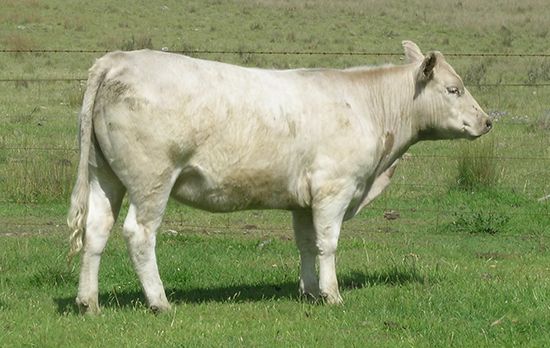
The Murray Grey is a breed of Australian beef cattle that originated in 1905 within the Murray River valley, located on the border of New South Wales and Victoria.1
This breed is recognized for its characteristic grey coat, gentle temperament, and rapid natural growth rate. Additionally, Murray Greys are naturally polled (hornless) and possess dark skin pigmentation, which makes them highly adaptable to various climates. They are also valued for their strong milking and calving abilities.1
The breed has been successfully crossed with several other cattle types, including Angus, Herefords, and Shorthorns. Since the establishment of the Murray Grey Beef Cattle Society in 1962, the breed has gained international recognition and has been exported to countries such as New Zealand, Canada, the United States, the United Kingdom, China, and Japan.1
What does it mean for cattle to be naturally polled?
For cattle, being naturally polled means that the animals are born without horns. This trait is typically determined by genetics, specifically a dominant gene that suppresses horn growth.2
Because this is a natural characteristic, it eliminates the need for physical dehorning procedures, which are often performed on horned cattle to prevent injury to other animals and handlers.
How does the Murray River valley influence cattle farming?
The Murray River valley plays a vital role in Australian cattle farming by providing a climatically reliable environment for livestock production. The region, which spans the border of New South Wales and Victoria, is part of the Murray-Darling Basin, an area of immense economic significance that supports a large portion of the nation’s agricultural output.3
The valley’s influence on cattle farming is characterized by:
- Reliable Conditions: The soils and climate along the riverbanks provide stable conditions for farming, supporting both livestock and dairy operations.4
- Irrigation Infrastructure: The development of extensive irrigation systems, supported by reservoirs like the Hume Reservoir, allows for the maintenance of improved pastures, which are essential for cattle grazing.34
- Breed Development: The valley served as the birthplace of the Murray Grey beef cattle breed in 1905, which was specifically developed to thrive in the local environment.1
What are the main differences between beef and dairy cattle breeds?
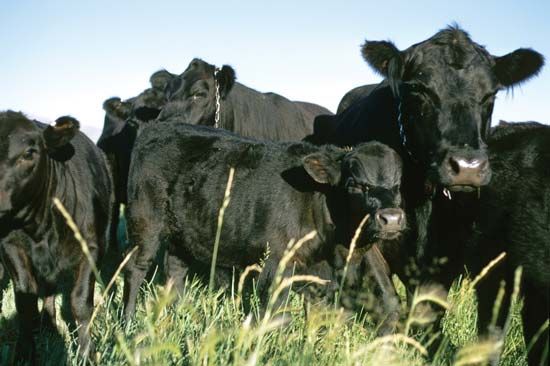
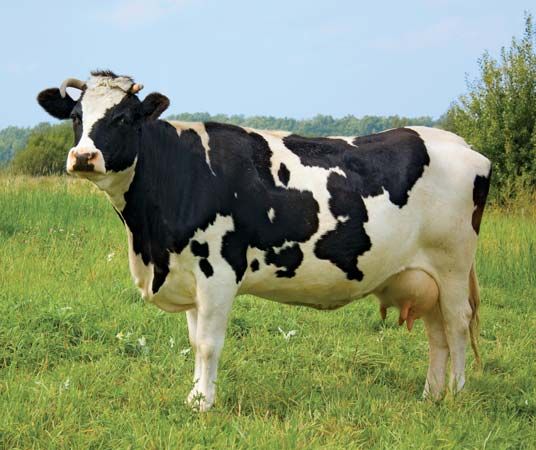
The primary distinction between beef and dairy cattle lies in their selective breeding for specific economic outputs: beef cattle are bred to produce muscle and meat, while dairy cattle are bred for high-volume milk production.5
Key Differences
- Physical Conformation: Beef cattle tend to be much heftier and more muscular than dairy cows. Dairy breeds, such as the Holstein-Friesian, often exhibit a wedge-shaped body, whereas beef breeds are frequently described as compact or heavily muscled.567
- Production Focus: Dairy cows are managed to maximize milk yield and specific milk components like butterfat or protein. Conversely, beef cattle management prioritizes growth rates, feed efficiency, and carcass quality.758
- Management Systems: Beef cattle are typically farmed in less intensive, extensive systems, often requiring minimal handling. Dairy operations are more intensive, as cows are handled daily for milking, often using automated machinery.58
- Breeding Practices: Because dairy bulls can be aggressive and challenging to manage, modern dairy operations rely heavily on artificial insemination. Beef herds often utilize pasture breeding, though artificial insemination is also used to introduce superior genetics.58
While these categories are distinct, some breeds are considered “dual-purpose,” meaning they have been selected for both meat and milk production.7
Sources
- Murray Grey — Encyclopædia Britannica
- polledness — Merriam-Webster
- Murray River — Encyclopædia Britannica
- Victoria - Drainage and soils — Encyclopædia Britannica
- Cow - Beef cattle breeds — Encyclopædia Britannica
- Cow - Domestication and economic production — Encyclopædia Britannica
- Dairy cattle breeds — Encyclopædia Britannica
- Livestock farming - Beef cattle management — Encyclopædia Britannica
- Cattle — Encyclopædia Britannica
Published on · 3 min read