Shetland Pony
Today, the Shetland pony is primarily valued for its gentle and even-tempered nature, making it a popular choice as a child’s pet and riding mount. Because…
What are the main uses of Shetland ponies today?
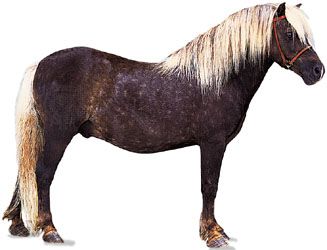
Today, the Shetland pony is primarily valued for its gentle and even-tempered nature, making it a popular choice as a child’s pet and riding mount. Because of their docile disposition and endurance, they are also utilized as pack animals and for light draft work.12
While the breed has a history of being used as pack horses and as pit ponies in 19th-century coal mines, their modern role has shifted significantly toward companionship and recreation. In the United States, the breed has been further refined to better suit the needs of children. Their hardiness and small stature continue to make them a well-regarded breed for those seeking a reliable and manageable pony.12
Where did the Shetland pony originate, and how has its history shaped the breed?
The Shetland pony originated in the Shetland Islands of Scotland, with evidence suggesting the breed has existed since the Bronze Age.12
The breed’s history is defined by its adaptation to a harsh climate and limited food supply, which fostered its characteristic hardiness and small, stocky stature. These environmental pressures resulted in a very powerful animal despite its diminutive size.142
Historically, these traits made the ponies valuable as pack horses. In the 19th century, their small size led to their use as pit ponies in the coal mines of Great Britain. When the breed was introduced to the United States around 1850, breeders began refining the stock to create a more suitable mount for children. This evolution from a rugged working animal to a gentle, even-tempered companion has shaped the Shetland pony into the popular breed known today for its longevity and ease of care.12
How long is the average lifespan of a Shetland pony?
Shetland ponies are known for being long-lived animals. While the general life span for horses is typically estimated at 20 to 25 years, ponies generally live longer than larger horses.15
How does the temperament of a Shetland pony compare to other horse breeds?
The Shetland pony is widely recognized for its gentle and even-tempered nature, provided the animal is properly trained. Like many other pony breeds, the Shetland is noted for its docile disposition, which makes it a popular choice as a riding mount for children.14
While temperament can vary between individual animals, the Shetland’s general reputation for being manageable and steady is a key trait that distinguishes it as a reliable companion. When compared to other breeds, the Shetland shares the characteristic “gentleness” often attributed to ponies in general, which are frequently noted for their endurance and suitability for younger riders.4
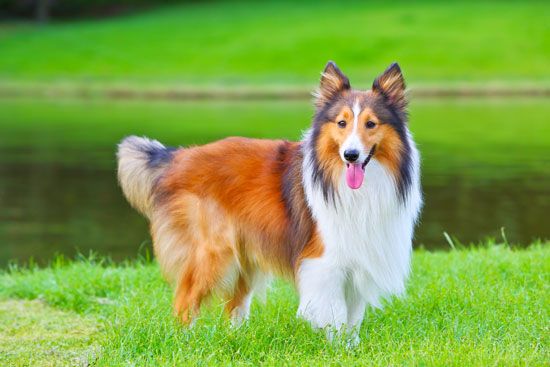
It is important to note that while the Shetland is a horse breed, its temperament is distinct from the Shetland Sheepdog—a dog breed that shares the same geographic origin but possesses a much higher energy level and a tendency toward sensitivity and vocalization.3
Sources
- Shetland pony — Encyclopædia Britannica
- Shetland pony — Merriam-Webster
- pony — Encyclopædia Britannica
- horse - Ponies — Encyclopædia Britannica
- horse - Reproduction and development — Encyclopædia Britannica
- polo - Polo ponies — Encyclopædia Britannica
- Shetland Sheepdog — Encyclopædia Britannica
Published on · 2 min read