Muskmelon
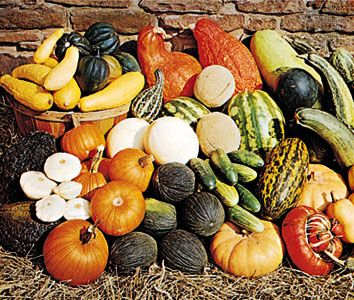
Muskmelons, watermelons, and cucumbers are all members of the Cucurbitaceae family, a group of flowering plants characterized by their fast-growing…
How do muskmelons compare to other members of the Cucurbitaceae family, like watermelons and cucumbers?
Muskmelons, watermelons, and cucumbers are all members of the Cucurbitaceae family, a group of flowering plants characterized by their fast-growing, prostrate or climbing vines and the production of a specialized fruit known as a pepo—a fleshy, many-seeded berry with a tough rind.12
While they share these botanical traits, they differ in specific ways:
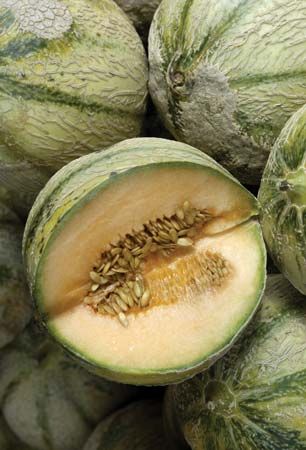
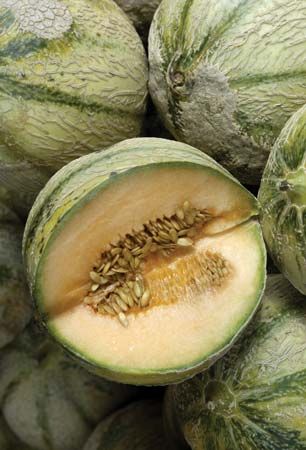
- Muskmelons (Cucumis melo): These are annual vines known for their sweet, juicy, and often musky-scented flesh. They are typically categorized by their rind texture and flesh characteristics, such as the netted-rind muskmelon (Reticulatus group).13
- Watermelons (Citrullus lanatus): While they resemble true melons, watermelons are a distinct species within the same family.1
- Cucumbers: Like melons, these are members of the gourd family, but they are distinct in their culinary and botanical usage. Some melon varieties, such as those in the Flexuosus or Chito groups, are noted for having flesh that is cucumber-like or acidic rather than sweet.1
What are the main varieties of muskmelons, and how do they differ?
Botanists classify the common melon (Cucumis melo) into seven distinct cultivar groups, which vary significantly in their rind texture, flesh flavor, and culinary use. While the term “muskmelon” is often used broadly, it technically refers to the Reticulatus group:1
- Reticulatus group: Known as netted or nutmeg melons, these feature a net-ribbed rind and sweet orange flesh. In the United States, these are frequently marketed as “cantaloupes”.13
- Cantalupensis group: These are the true cantaloupes, characterized by a rough, warty rind and sweet orange flesh, common in European markets.1
- Inodorus group: Known as winter melons, these include honeydew and casaba melons. They have smooth skins, light-colored flesh, and mature slowly in storage.1
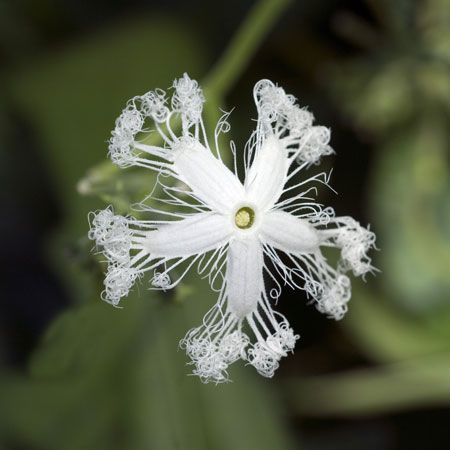
- Flexuosus group: Known as snake or serpent melons, these have long, slender shapes and acidic, cucumber-like flesh.1
- Conomon group: Asian pickling melons with greenish, non-sweet flesh.1
- Chito group: Mango melons, which are small and have cucumber-like flesh.1
- Dudaim group: Ornamental, highly fragrant, but inedible fruits.1
What are some popular culinary uses for muskmelons beyond eating them fresh?
While muskmelons are most commonly enjoyed fresh, their sweet, juicy, and aromatic flesh makes them a versatile ingredient in various culinary applications. Beyond simple consumption, they can be incorporated into several dishes:
- Fruit Salads and Salsas: Their sweet flavor pairs well with other fruits or can be diced into savory salsas, often combined with lime, cilantro, and chili for a refreshing contrast.
- Smoothies and Beverages: The high water content and natural sweetness of the muskmelon make it an excellent base for blended drinks, smoothies, or chilled soups.
- Desserts: They can be pureed for sorbets, ice creams, or fruit-based mousses.
- Appetizers: In many culinary traditions, slices of melon are wrapped in cured meats like prosciutto, creating a classic sweet-and-salty pairing.
- Preserves: The flesh can be cooked down into jams, jellies, or chutneys, which help preserve the fruit’s distinct musky aroma and sweetness for later use.
What are the optimal growing conditions for muskmelon plants?
Muskmelon plants (Cucumis melo) are frost-tender annual vines that require specific environmental conditions to thrive. Because they are native to warmer regions, they demand a long, warm growing season to reach maturity.31
Key requirements for successful cultivation include:
- Temperature: The plants are highly sensitive to cold and are killed by frost. They require consistent warmth throughout their development.31
- Climate Management: While they need warmth, they are susceptible to various plant diseases—such as downy mildew, anthracnose, Fusarium wilt, and powdery mildew—which are particularly prevalent in humid conditions.31
- Growth Habit: As trailing vines, they require adequate space for their stems and tendrils to spread.31
Sources
- melon — Encyclopædia Britannica
- Cucurbitaceae — Encyclopædia Britannica
- muskmelon — Encyclopædia Britannica
- muskmelon — Merriam-Webster
Published on · 3 min read