Mývatn
Mývatn is a shallow lake located in northern Iceland, situated approximately 30 miles east of Akureyri. Covering an area of 14 square miles, it ranks as the…
What is Mývatn?
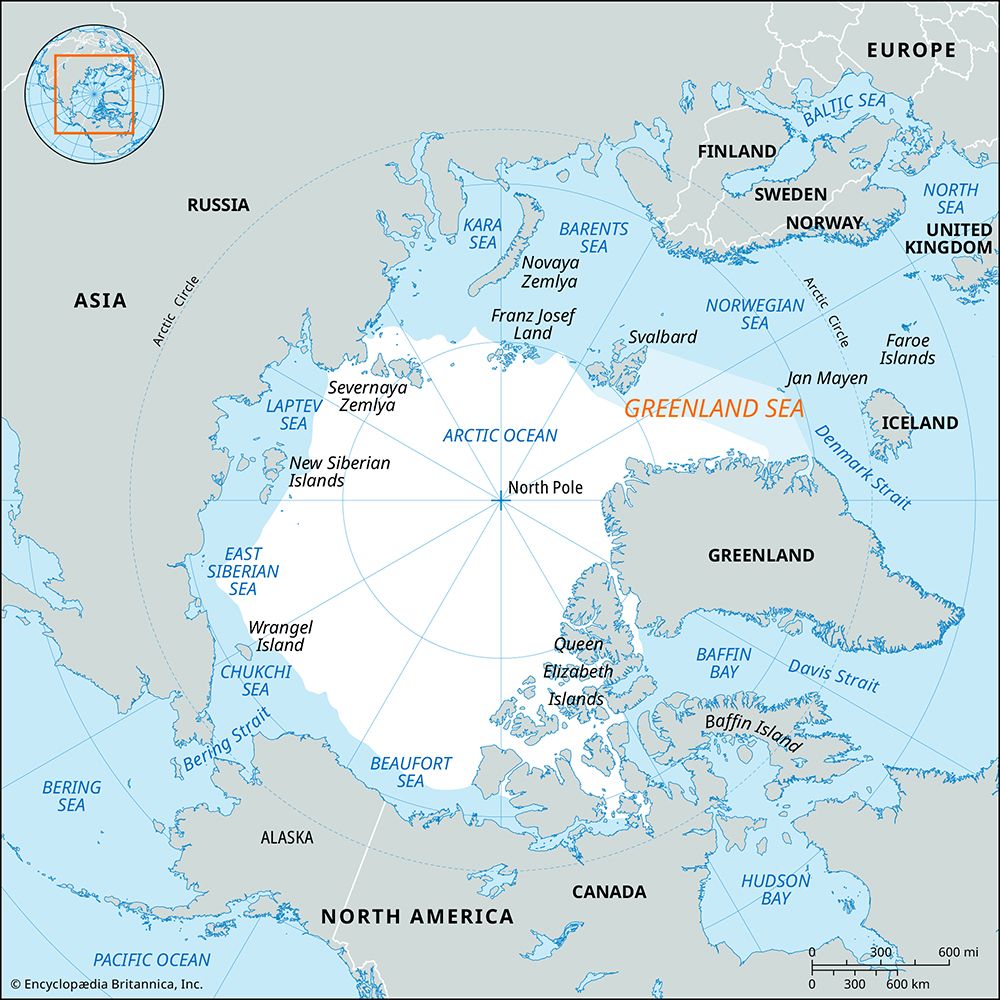
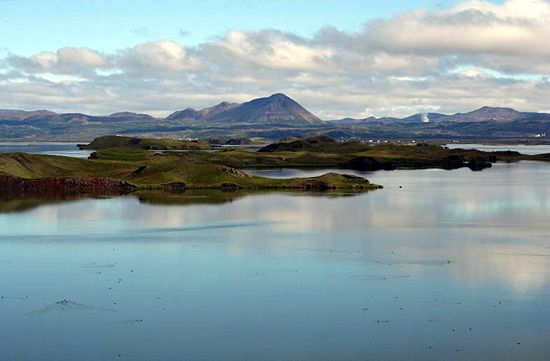
Mývatn is a shallow lake located in northern Iceland, situated approximately 30 miles east of Akureyri. Covering an area of 14 square miles, it ranks as the fourth largest lake in the country and is drained by the Laxá River, which flows into the Greenland Sea.1
The area is geologically active and visually distinct, characterized by numerous volcanic islands, craters, hot springs, and diverse lava formations. Beyond its appeal as a tourist destination, the lake and its drainage system are well-known for salmon, trout, and char fishing. Additionally, the lake serves as a source for diatomaceous earth, which is mined from the lake bottom and processed in the vicinity.1
How do volcanic eruptions shape the landscape around Lake Mývatn?
The landscape surrounding Lake Mývatn is a direct product of intense and ongoing volcanic activity, which has sculpted the region into a complex geological environment. The lake itself is dotted with numerous volcanic islands, while the surrounding terrain is defined by a variety of craters and diverse lava formations created by past eruptions.1
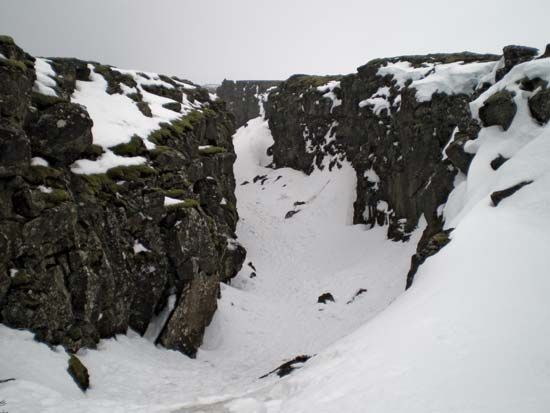
This region is part of a broader, geologically young landscape shaped by Iceland’s position atop the Mid-Atlantic Ridge.2 The area’s volcanic nature is further evidenced by the presence of hot springs and the historical impact of nearby activity, such as the continuous eruptions in the Krafla area between 1975 and 1984, which significantly affected the local infrastructure. These processes continue to define the topography, creating the rugged and unique features that characterize the Mývatn basin today.21
What unique bird species live in the Mývatn area?
Sorry, the Britannica knowledge base does not contain information regarding the specific bird species that inhabit the Mývatn area.
Why is diatomaceous earth important to the local economy?
Diatomaceous earth, also known as diatomite, is a significant resource for the local economy of the Mývatn region in northern Iceland. It is harvested directly from the lake bottom and processed in nearby facilities.3
This material is a light-colored, porous sedimentary rock composed of the microscopic siliceous shells of diatoms. Its economic value stems from its versatile industrial applications:1
- Filtration: It is widely used to clarify liquids, including oils, beverages, antibiotics, and various chemicals.1
- Fillers and Extenders: It serves as a functional additive in products such as paint, paper, ceramics, plastics, and detergents.1
- Insulation: Due to its resistance to high temperatures, it is an effective insulator for industrial equipment like boilers and blast furnaces.1
- Abrasives: It is used as a mild abrasive in items like metal polishes and toothpaste.1
By extracting and processing this valuable mineral, the Mývatn area contributes to these diverse industrial sectors.
Sources
- Mývatn — Encyclopædia Britannica
- Iceland - Land — Encyclopædia Britannica
- diatomaceous earth — Encyclopædia Britannica
Published on · 2 min read