Iceland
Icelandic culture is deeply rooted in a rich literary heritage and a commitment to preserving ancestral traditions. Key elements include:
What are some key elements of Icelandic culture and traditions?
Icelandic culture is deeply rooted in a rich literary heritage and a commitment to preserving ancestral traditions. Key elements include:
- Literary Traditions: The Icelanders’ sagas—heroic prose narratives from the 12th to 14th centuries—remain a central pillar of national identity. Icelanders are highly literate, and the tradition of sagnaskemmtun (storytelling) has evolved into a modern appreciation for literature, theater, and film.1234
- Language Preservation: Icelanders actively protect their language by creating native terms for modern concepts, such as tölva for computer.5
- Arts and Crafts: Traditional industries like weaving and silver crafting, particularly the use of silver thread for ornamentation, remain significant. Icelandic wool is also highly valued for its unique insulating and water-repellent properties.14
- Cuisine: Traditional food reflects the nation’s fishing industry, featuring dishes like hákarl (putrefied shark), hangikjöt (smoked lamb), and skyr, a cultured dairy dessert.5
- Social Customs: The society is known for its gender equality and a vibrant festival culture, including Independence Day and the celebration of the first day of summer.5
How has Iceland become a popular tourist destination in recent years?
Iceland has transformed into a major global tourist destination, driven by its unique natural landscape and increased international connectivity. The country’s breathtaking scenery—characterized by volcanoes, hot springs, and geysers—serves as a primary draw for visitors.
A significant catalyst for this growth was the 2010 eruption of the Eyjafjallajökull volcano. While the event caused massive global air travel disruptions, the subsequent international attention and the opportunity for travelers to witness the volcanic activity led to a surge in tourism that helped establish the industry as a cornerstone of the national economy.7
Furthermore, the development of Icelandair as a major international carrier has been instrumental in facilitating travel to the island. This accessibility, combined with the country’s status as a modern welfare state and its commitment to preserving natural wonders like Thingvellir National Park and Vatnajökull National Park, has solidified its popularity.8910
How did Iceland form geologically, and what role do volcanoes play in shaping the island?
Iceland’s geological formation is primarily driven by its unique position atop the Mid-Atlantic Ridge, a major seafloor spreading boundary that separates the North American and Eurasian tectonic plates. As these plates pull apart, molten magma wells up from beneath the Earth’s crust, continuously creating new land.111213
Volcanoes are the primary architects of the island, which is composed almost entirely of lava flows. The island features approximately 200 volcanoes of various types, and their activity has shaped the landscape for millions of years. The role of volcanoes in shaping Iceland includes:111412
- Land Creation: Eruptions can build new land, such as the island of Surtsey, which emerged from the sea between 1963 and 1967.12
- Diverse Landforms: Depending on the eruption environment, volcanoes create distinct features. Subglacial eruptions form steep-sided “table mountains” and ridges of broken lava fragments, while fissure eruptions often build extensive lava plateaus.15
- Geothermal Activity: The intense volcanic heat powers numerous hot springs and geysers, which are defining characteristics of the Icelandic terrain.1114
What is the geographical location and unique physical features of Iceland?
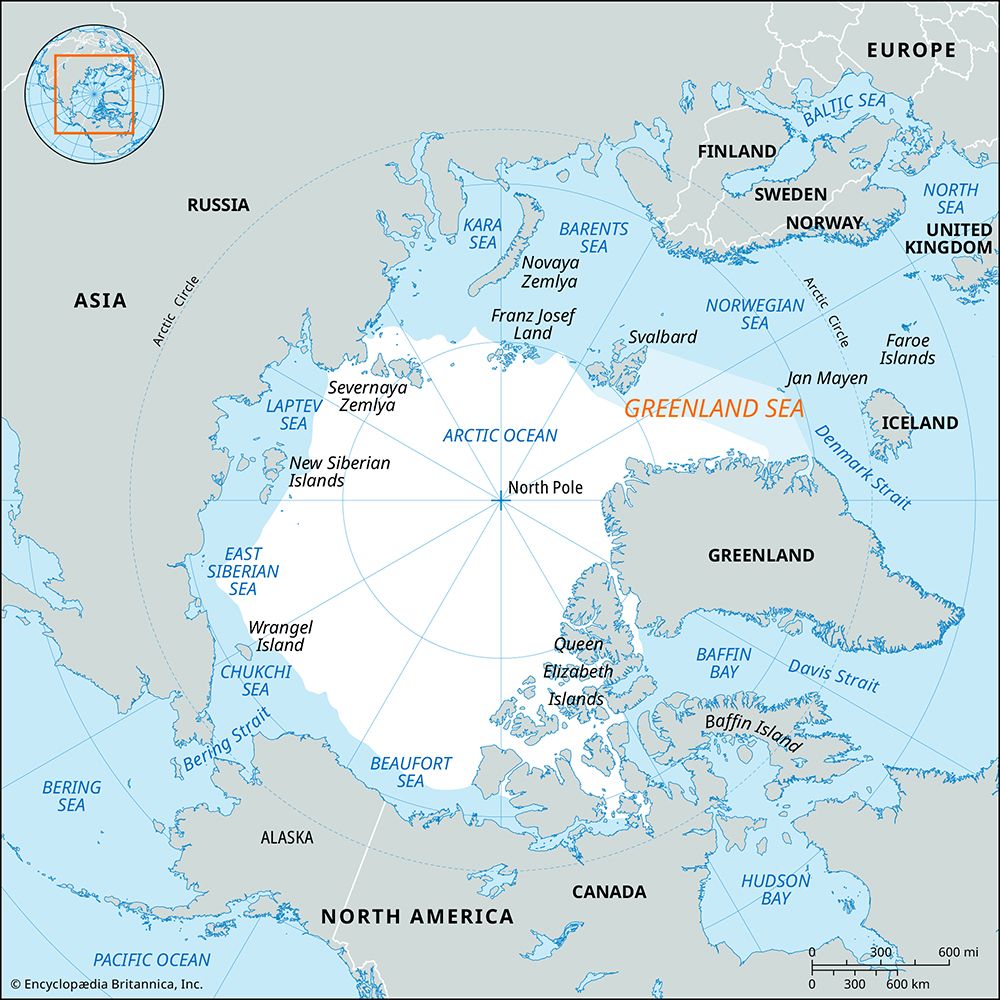
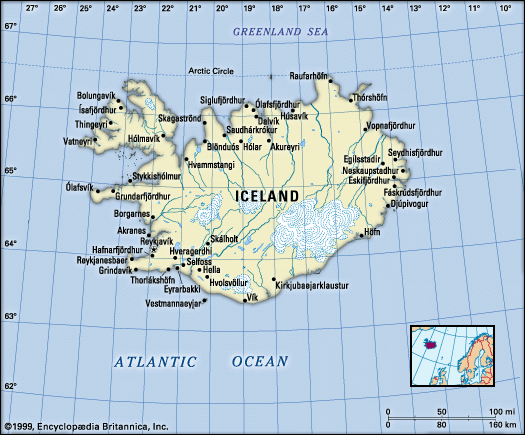
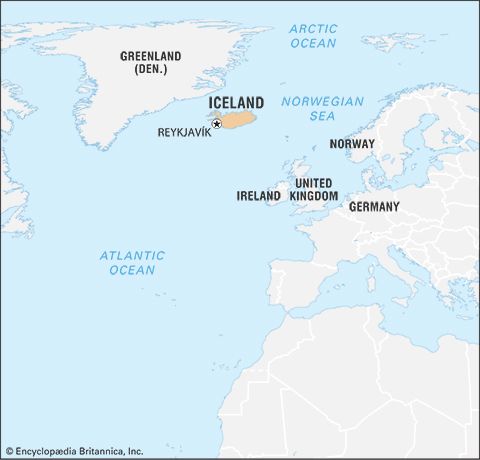
Iceland is an island nation located in the North Atlantic, bordered by the Greenland Sea to the north, the Norwegian Sea to the east, and the Denmark Strait to the northwest, which separates it from Greenland.12
Geologically, Iceland is situated directly atop the Mid-Atlantic Ridge, a plate boundary where the North American and Eurasian plates diverge. This position makes the island a site of intense volcanic and geothermal activity, with the entire landmass composed of lava flows.1211
Key physical features include:
- Volcanism: The country contains approximately 200 volcanoes, which have historically produced a significant portion of the Earth’s total lava flow.12
- Glaciers: Ice covers about one-tenth of the country, including Vatnajökull, which is the largest glacier in Europe by area.1215
- Relief: The landscape is a tableland characterized by basalt plateaus, fjords, and U-shaped valleys carved by glacial erosion.15
- Geothermal Activity: Iceland possesses more hot springs and geysers than any other country.15
Sources
- Iceland - Cultural life — Encyclopædia Britannica
- Iceland - Daily life and social customs — Encyclopædia Britannica
- Icelanders’ sagas — Encyclopædia Britannica
- saga — Encyclopædia Britannica
- Germanic religion and mythology - Scandinavian literary sources — Encyclopædia Britannica
- Iceland - The arts of Iceland — Encyclopædia Britannica
- Iceland - The Icelandic republic — Encyclopædia Britannica
- Today in History—April 14: The Volcanic Eruption That Grounded a Continent — Encyclopædia Britannica
- Iceland - Services — Encyclopædia Britannica
- list of World Heritage sites - Iceland — Encyclopædia Britannica
- Europe - Iceland — Encyclopædia Britannica
- Iceland - Land — Encyclopædia Britannica
- volcano - Determinants of size and shape — Encyclopædia Britannica
- Mid-Atlantic Ridge — Encyclopædia Britannica
- Iceland - Relief — Encyclopædia Britannica
Published on · 3 min read