Greenland Sea
The Greenland Sea is an outlying portion of the Arctic Ocean covering approximately 465,000 square miles (1,205,000 square km). It is bounded by Greenland to…
What is Greenland Sea?
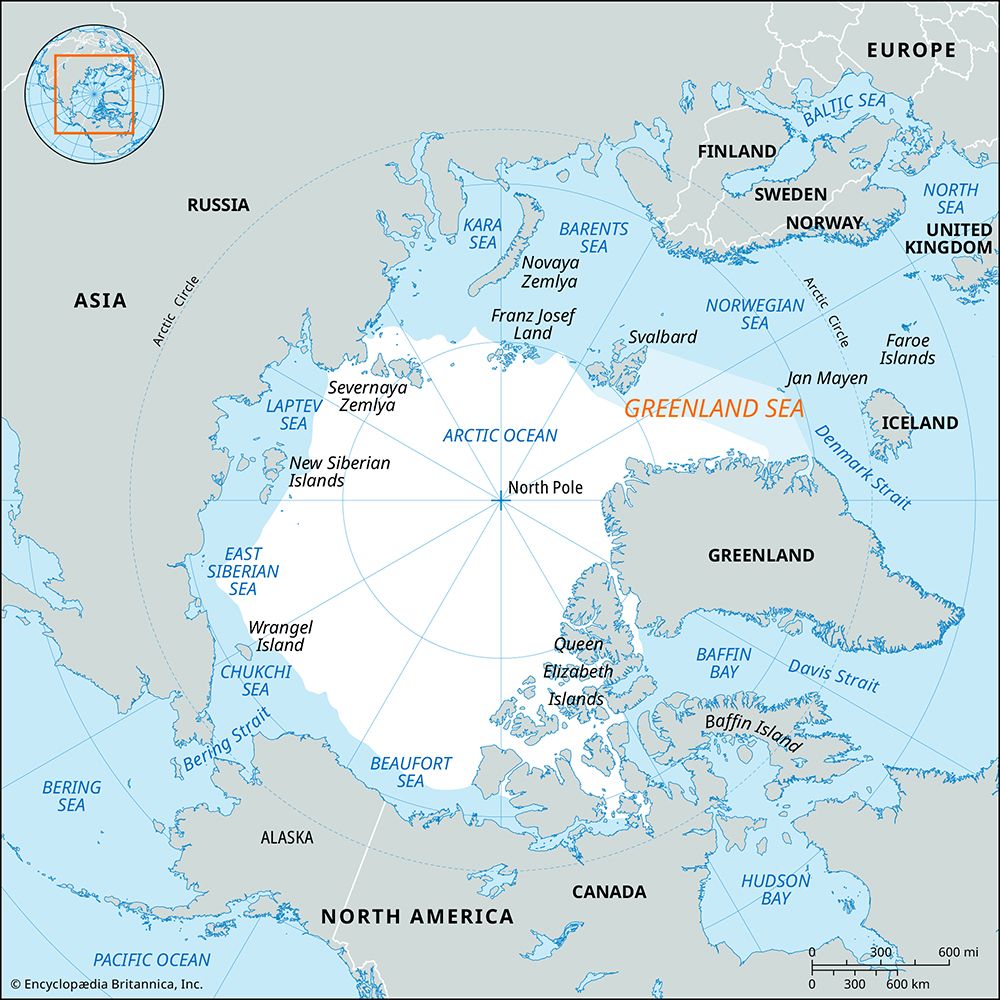
The Greenland Sea is an outlying portion of the Arctic Ocean covering approximately 465,000 square miles (1,205,000 square km). It is bounded by Greenland to the west, Svalbard to the east, the main Arctic Ocean to the north, and the Norwegian Sea and Iceland to the south.1
The sea features an average depth of 4,750 feet, with its floor divided by the submarine Mohns Ridge. The region is characterized by a harsh climate, frequent fogs, and a complex current system, most notably the East Greenland Current, which transports pack ice and sea ice southward. Despite these conditions, the sea supports a diverse ecosystem, ranging from lower life forms at the base of the food chain to various fish, birds, and marine mammals like seals and whales.1
How does the East Greenland Current affect Arctic ice?
The East Greenland Current plays a critical role in the movement and distribution of Arctic ice. Originating in the Arctic Ocean, this cold surface current flows southward along the east coast of Greenland, acting as a primary conduit for exporting large volumes of ice out of the Arctic Basin and into the North Atlantic Ocean.2314
The current transports various forms of ice, including thick pack ice, sea ice, and freshwater icebergs1. As this ice moves southward, the current’s complex dynamics—aided by tides and interactions with warmer Atlantic currents—help break up the ice sheet and facilitate the mixing of different water layers. While the current is a major driver of ice transport, it also bifurcates near the central ridge of the Greenland Sea, where it encounters branches of warmer currents that can push floating ice northward.1
What types of marine mammals live in the Greenland Sea?
The Greenland Sea supports a variety of marine mammals that thrive in its cold, nutrient-rich waters. These animals primarily feed on the sea’s abundant lower life forms, such as small invertebrates and organisms that form the base of the food chain.1
The marine mammal population in the region includes:
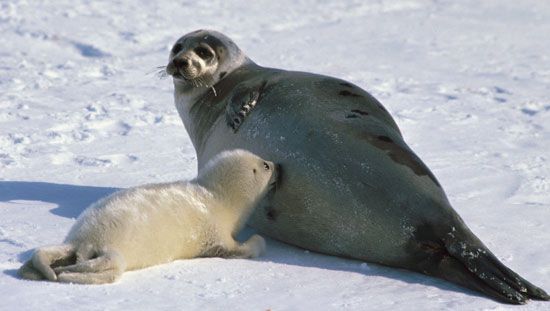
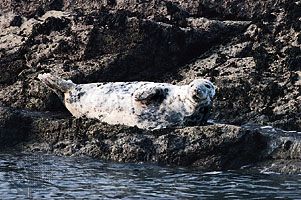
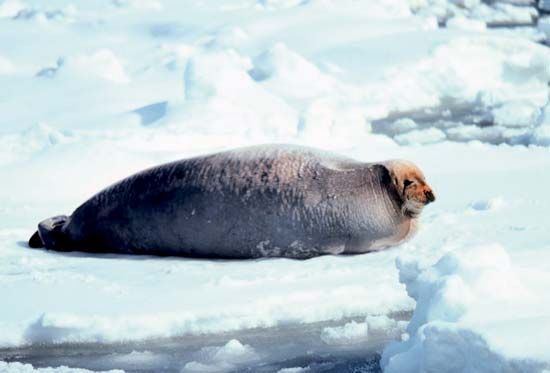
- Seals: Various species inhabit the area, including the harp seal, which is known to live in northernmost Arctic waters during the summer. Other species found in the broader North Atlantic and Arctic regions include the hooded seal, bearded seal, and gray seal.156
- Whales and Dolphins: The sea is home to various cetaceans, including dolphins and large whales, which migrate through or inhabit these northern waters to feed.15
These mammals are well-adapted to the harsh Arctic environment, often utilizing the sea’s extensive ice sheets and pack ice for breeding and resting.16
Why is the Greenland Sea important for studying ocean currents?
The Greenland Sea is a critical region for studying ocean currents because it serves as a primary site for the formation of North Atlantic Deep Water (NADW), a key component of the global thermohaline circulation.12
In this region, warm and saline waters transported northward by the North Atlantic Current and the Norwegian Current undergo significant surface cooling. This cooling increases the density of the water, causing it to sink to the ocean floor. This sinking process, often referred to as deep water formation, acts as the “engine” for the Atlantic Meridional Overturning Circulation (AMOC), which helps regulate the climate of northwestern Europe by transporting heat to high latitudes.12
Scientists study the Greenland Sea to understand these complex convective processes, as well as the interactions between the East Greenland Current, sea ice, and the atmosphere. By measuring properties such as temperature, salinity, and the concentration of chemical tracers, researchers can determine the residence times and spreading rates of deep water, providing essential data on how the ocean responds to climatic change.819
Sources
- Greenland Sea — Encyclopædia Britannica
- Greenland Current — Encyclopædia Britannica
- East Greenland Current — Encyclopædia Britannica
- sea ice - Pack ice drift and thickness — Encyclopædia Britannica
- Migration - Marine mammals — Encyclopædia Britannica
- Greenland - Land — Encyclopædia Britannica
- seal — Encyclopædia Britannica
- ocean current - Thermohaline circulation — Encyclopædia Britannica
- Greenland Ice Sheet — Encyclopædia Britannica
- Climate - Thermohaline circulation — Encyclopædia Britannica
Published on · 3 min read